
Book a single‑ticket itinerary through the airline’s website or app, making sure the layover is at least 90 minutes (2–3 hours for international hubs). Choose a hub with a tight interline schedule, and let the carrier handle rebooking and baggage protection if a delay occurs. Use the airline’s app for real‑time gate updates and walking‑time estimates, and consult airport maps to locate shortcuts. If a connection is missed, head to the airline desk or use the app to rebook immediately—more details follow.
TLDR
- Book the entire journey on one ticket to ensure airline responsibility for rebooking and baggage protection.
- Choose hub airports with proven transfer efficiency and aim for at least 90 minutes layover, extending to 2–3 hours for international connections.
- Use airline apps and airport interactive maps to monitor real‑time gate changes and walking‑time estimates.
- Prioritize flights with low connection‑time risk, such as those with short inter‑terminal distances and reliable on‑time performance.
- In case of a missed connection, immediately contact the airline desk or app, have your booking reference ready, and request rebooking and baggage handling.
Why a Missed Connection Happens and How a Single Ticket Helps
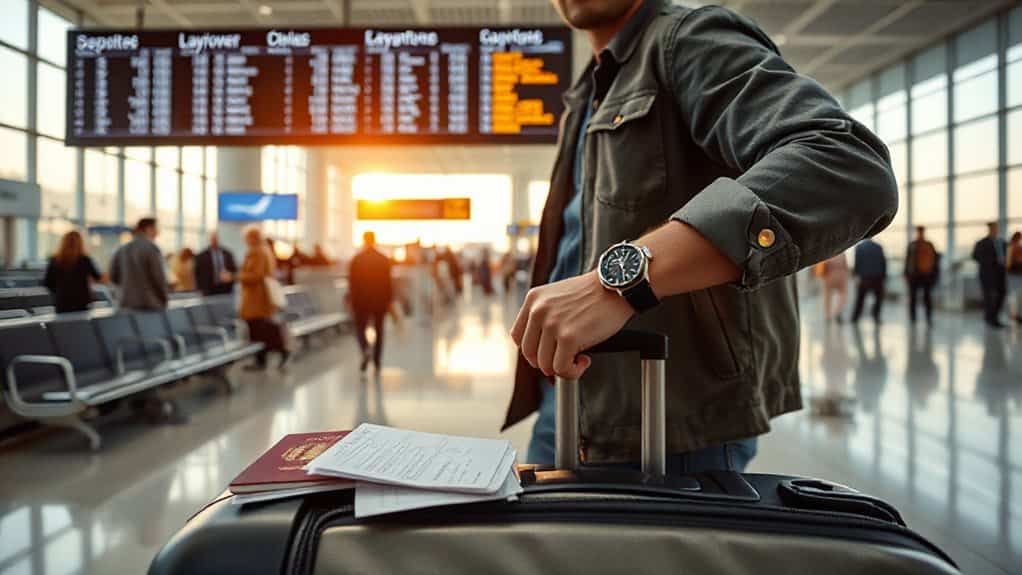
Why do missed connections happen so often? Delays on inbound flights shrink transfer windows at hub airports, and the hub‑and‑spoke model favors full flights over individual links. Virtual interline itineraries add 6‑25% extra travel time, and cheap routes often detour geographically. A single ticket gives airlines responsibility for rebooking, protects checked baggage, and uses passenger‑level data to build buffers, reducing the risk of missed connections. Connecting flights often have lower rates because they are more available and quicker to fill. Travelers should also consider obtaining a REAL ID-compliant license early to avoid added biometric screening delays.
How Much Layover Time Is Needed to Avoid a Missed Connection
How much layover time do you really need to keep your connection safe? Aim for at least 90 minutes on most routes, but 2–3 hours gives a comfortable cushion for delays, security, and gate changes.
Domestic hops usually work with 1–2 hours, while international transfers often require 2–3 hours, especially at busy hubs with immigration.
Adjust based on airport efficiency, terminal distance, and whether you have checked bags. Devices with metal parts like lithium-ion batteries may also affect security screening times.
Booking a Single Ticket vs. Separate Tickets: Baggage & Rebooking Rules
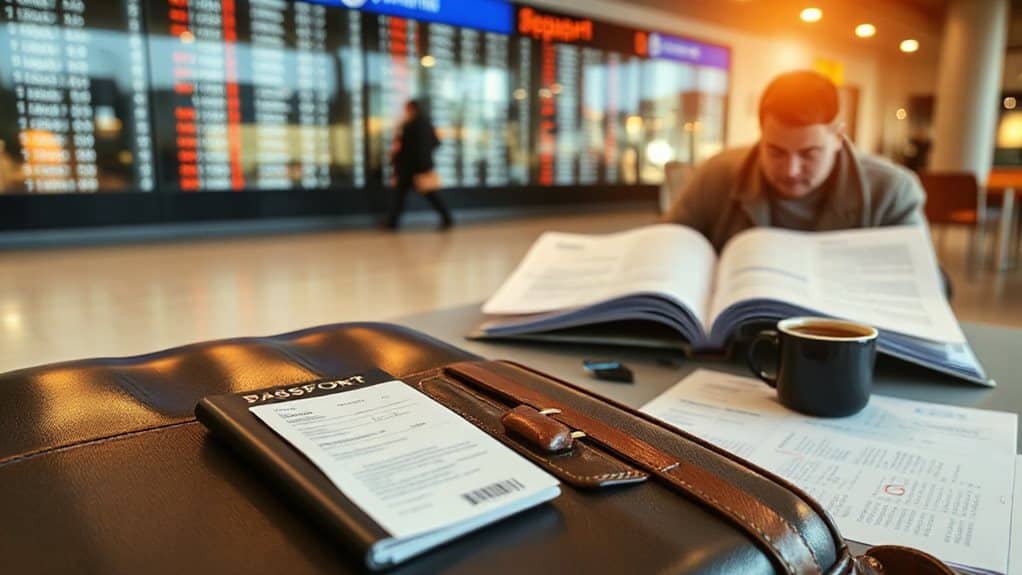
When you book a single ticket, the airline takes care of your checked bags from start to finish, so you never have to reclaim and recheck them during a connection. Your luggage travels straight to the final destination, and if a delay occurs, the carrier rebooks you at no extra cost.
With separate tickets, you must retrieve and re‑check bags, shoulder extra fees, and purchase a new ticket if you miss the next flight.
Shoulder seasons often offer better conditions for travel planning and fewer crowds.
Using Airport Maps & Airline Apps to Prevent Missed Connections
Booking a single ticket already streamlines baggage handling, but navigating the airport itself can still make—or break—a connection.
Use the airport’s interactive map to locate gates, restrooms, and shortcuts before you land.
Open the airline’s app for real‑time gate updates, walking‑time estimates, and push alerts.
Sync both tools with your phone’s GPS, so you’re alerted to delays, terminal changes, and security lines, letting you adjust your route instantly and keep your schedule on track.
Also, prepare a TSA-ready carry-on setup—including a quart-sized bag for liquids—to speed you through security and protect tight connection windows.
What to Do Immediately After a Missed Connection: Rebook, Baggage, Compensation
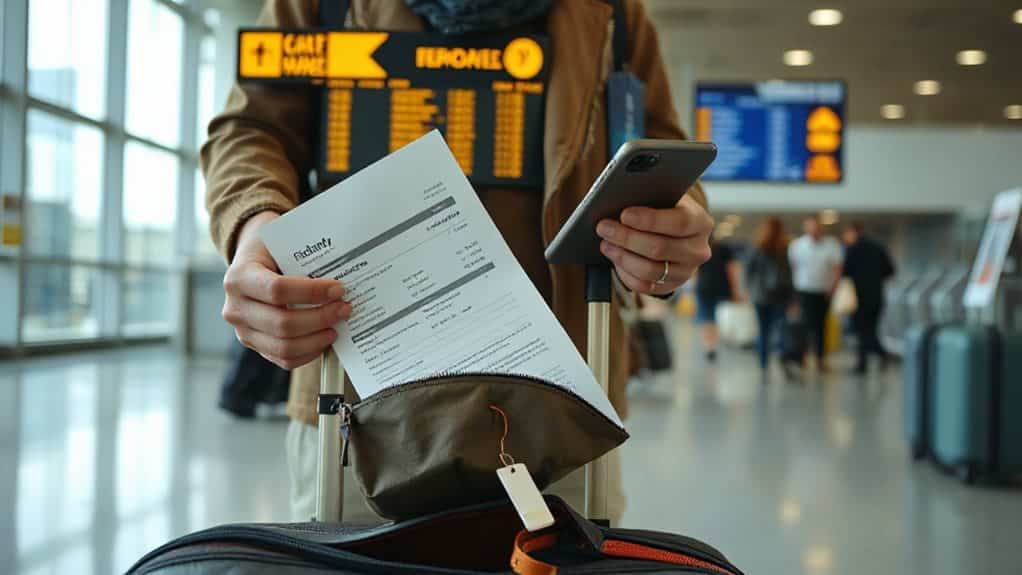
What should you do the moment you realize your connection is missed? Head straight to the airline desk or open the app, have your booking reference and ID ready, and ask for the next available flight.
Claim your bags at the airport, request rerouting, and note any paid‑for services missing. Check EU rules for compensation, keep tickets, and ask about vouchers or accommodation if you wait long.
And Finally
By booking a single ticket, you secure protected connections, streamlined baggage handling, and clearer rebooking policies. Allow enough layover time—generally two hours for domestic and three for international flights—to accommodate delays. Use airport maps and airline apps to steer effectively and stay informed. If a miss occurs, rebook promptly, retrieve checked bags, and claim any entitled compensation. Following these steps minimizes disruption and maximizes the likelihood of reaching your final destination on schedule.