
Pick mid‑week dates—like Tuesdays or Wednesdays before Thanksgiving—to avoid crowds, and book flights and hotels now to lock in lower rates before seats vanish. Pack lightweight, modular clothing and essential mobility gear so you can repack quickly if plans shift. Activate loyalty and credit‑card perks early to stack savings, and align your itinerary with major events for exclusive access. Use live traffic and crowd‑monitoring apps to adjust routes on the fly, and design multigenerational activities with accessible venues and shared meals. Budget with a 25/40/25/10 split for transport, lodging, food, and activities, adding a 20 % contingency for unexpected costs; the next sections will show you how to apply these tips in detail.
TLDR
- Book flights and hotels early to lock in lower rates and secure limited‑availability seats on popular routes.
- Travel mid‑week (Tuesday‑Wednesday) and avoid post‑holiday Sundays to encounter fewer crowds and smoother check‑ins.
- Pack lightweight, versatile clothing and use packing cubes for quick repacking and easy access to essentials.
- Activate loyalty and credit‑card travel perks early; combine them with bonuses for stacked savings and extra amenities.
- Prioritize accessibility and multigenerational comfort by selecting venues with ramps, flexible dining options, and balanced activity/rest schedules.
Choose the Right Travel Dates for Peak‑Season Travel

When planning peak‑season travel, pinpointing the busiest days can save you time and money. Target Tuesdays or Wednesdays before Thanksgiving, and avoid Sundays after major holidays.
Choose early August Fridays for record‑high seats, but consider late August Thursdays for end‑of‑summer trips. Consider packing a portable scale to avoid surprise baggage fees.
Opt for May‑June or October shoulder periods when demand eases.
Use early‑morning flights for lower fares and smoother schedules.
Fridays in late July are also among the busiest travel days.
Lock in Flights and Hotels Early for Peak‑Season Rates
Choosing the right travel dates helps you avoid the busiest crowds, but the next step is to lock in flights and hotels as early as possible to secure peak‑season rates. Booking now taps 10% higher search activity for Jan‑Mar 2026 and 9% summer growth, while airfare dips and softer 2026 forecasts reward early purchase. Early reservations also protect you from vanishing seats on popular routes like Kansas City, Christchurch, and Caribbean destinations. Also, when booking travel, stay vigilant in busy transit hubs and tourist areas to reduce the risk of pickpocketing hotspots and related thefts.
Pack Light and Smart for Flexible Peak‑Season Transportation

You’ll want compact essentials that keep you mobile, like a few versatile shirts, shorts, and a lightweight jacket that can be layered for changing weather.
Using efficient packing cubes lets you organize these items and still fit a change of clothes, toiletries, and gadgets into a single carry‑on.
This system reduces weight, speeds up airport transfers, and gives you the flexibility to switch between trains, buses, or rideshares without hassle.
Also include a compact travel blanket with packable pillow functionality to stay comfortable on long waits and transit legs.
Compact Essentials for Mobility
Eight essential items can keep you mobile and comfortable without overloading your luggage. Pack a lightweight tech‑travel pant, versatile sandals, and a pair of sturdy sneakers for daily moves; add a compact rain jacket and a foldable umbrella for sudden weather. Use packing cubes to compress clothing, and carry a daypack with a water bottle, charger, and travel documents. This setup maximizes freedom while staying within carry‑on limits.
Versatile Layers for Weather
Ever wonder how to stay comfortable when the weather flips between sun, rain, and cool evenings without stuffing your suitcase?
Pack lightweight base tops, a long‑sleeve shirt, and a thin sweater. Add a merino or silk layer for odor‑free warmth. Bring a compact rain shell and a wind‑breaker. Choose neutral colors, mix leggings and tights, and use an infinity scarf for extra protection.
Efficient Packing Cubes System
What makes a packing‑cube system essential for peak‑season travel is its ability to turn a chaotic suitcase into a structured, space‑saving hub. You’ll separate shirts, pants, and underwear into distinct cubes, group outfits by day, and roll clothes to keep them compact.
Compression cubes shrink items, fitting more into a carry‑on. You can pull an entire day’s cube into a drawer, repack quickly, and stay organized across multiple trips.
Activate Loyalty & Credit‑Card Perks for Peak‑Season Savings
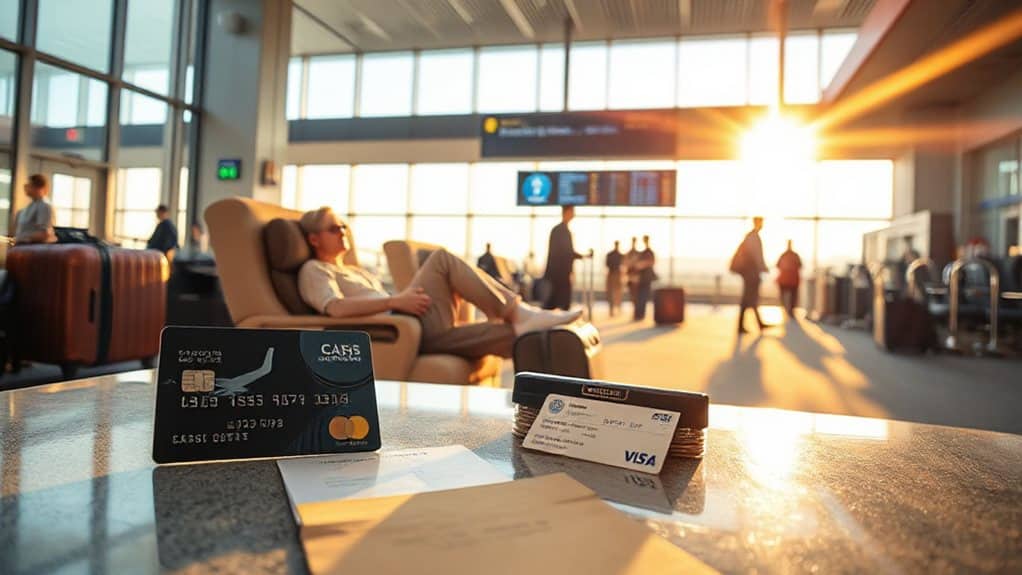
You’ll want to maximize every card benefit by enrolling in statement‑credit programs early, then combine those perks with any loyalty‑tier rewards you already have to stack savings.
Booking hotels, flights, or rentals as soon as the perk windows open lets you capture the full welcome‑bonus value and any quarterly or semi‑annual credits.
Traveling with cigars requires attention to TSA rules to avoid confiscation of cutters, lighters, or prohibited items.
Earn Maximize Card Benefits
A solid strategy for peak‑season travel starts with activating the credits and perks built into your loyalty and credit‑card portfolio.
Enroll for hotel, dining, and Uber credits on Amex Platinum, Chase Sapphire, and Venture X.
Use travel portals to capture 5‑point travel bonuses, and claim airline credits from Marriott Bonvoy.
Track enrollment dates, apply statement credits promptly, and stack category‑specific earnings for maximum savings.
Combine Loyalty Tier Rewards
How can you turn elite status into tangible savings during peak‑season travel? Use your loyalty tier to snag free room upgrades at digital kiosks and enjoy premium cabin upgrades with fixed points. Bypass rental‑car queues via member‑only lanes, and combine points with cash to lower booking costs. Activate credit‑card free‑night benefits, claim $50 gift cards for two‑night stays, and capitalize no‑expiration points for strategic redemptions.
Book Early, Earn Bonuses
Booking early locks in lower rates before peak‑season price spikes hit, letting you secure base fares and hotel rooms at a fraction of the last‑minute cost. You’ll also capture welcome bonus points, enjoy 2‑5x multipliers on travel purchases, and avoid foreign‑transaction fees. Activate status matching early for lounge access, elite night certificates, and complimentary upgrades, ensuring flexible redemption and priority support throughout peak season.
Prioritize Event‑Based Itineraries for Peak‑Season Adventures
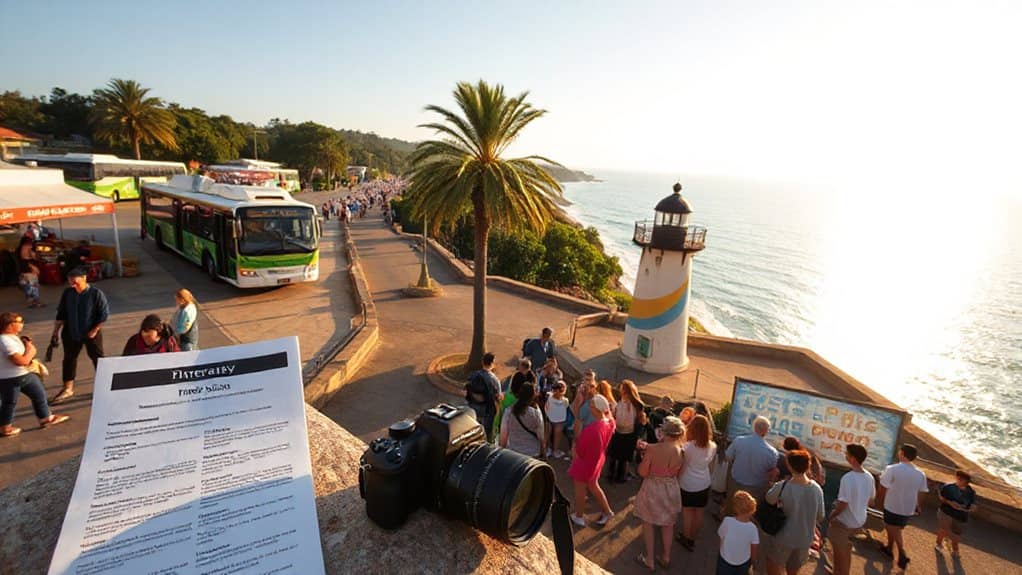
Why not start your peak‑season trip by building the itinerary around the biggest events? Align travel dates with Super Bowl week in New Orleans, the Daytona 500, or F1 races in Melbourne and Shanghai, where searches surged 50‑175 %. Summer peaks in Europe and Asia‑Pacific boost regional attractions, while exclusive packages grant behind‑the‑scenes access. Track real‑time demand, secure tickets early, and let event‑driven plans shape a flexible, high‑value adventure. When traveling at night in busy destinations, prioritize staying in well-lit areas and using reliable transport options to reduce safety risks.
Choose Vacation Rentals, Hostels or Glamping for Peak‑Season Stays
After you’ve locked in the dates around a major event, the next step is deciding where to stay, and peak‑season travelers are increasingly turning to vacation rentals, hostels, and glamping.
Rentals give you kitchens, terraces, and privacy, often saving $2,000‑$4,000 for groups.
Hostels cut costs further with shared spaces and flexible check‑ins.
Glamping offers unique, low‑density nature spots, ideal for extended stays.
Be sure to factor in ticketing and airport policies when planning transfers, as security and connection procedures can affect travel time.
Check Live Traffic & Crowd Apps for Peak‑Season Adjustments

Ever wondered how to dodge traffic snarls and overcrowded venues during peak‑season travel? Use Waze or INRIX to see real‑time jams, set desired arrival times, and get alternative routes highlighted in red. Google Maps auto‑reroutes with accurate ETAs. CrowdAlerts shows venue crowd levels, suggests quieter spots, and lets you report density. Combine these tools for flexible, on‑the‑fly adjustments.
Plan Multi‑Generational Activities for All Ages
You’ll want to build a flexible schedule that lets each generation join or skip activities without disrupting the whole group. Choose attractions that are wheelchair‑friendly, have stroller‑accessible paths, and offer low‑impact options so grandparents, parents, and kids can all enjoy them comfortably. Plan shared meals at venues with varied menus and communal seating, creating natural moments for everyone to connect and create lasting memories.
Activity Scheduling Flexibility
How can you keep a multigenereneration group engaged while respecting each generation’s energy levels?
Schedule shared mornings at museums or beaches, then let grandparents unwind at a spa while kids splash in a pool. Offer optional afternoon trails for active adults and quiet lounges for seniors. Split evenings into family meals and personal downtime. This flexible itinerary balances togetherness with individual rest, ensuring every age group enjoys the trip.
Accessible Attractions for All
Accessible attractions let every family member enjoy a destination without compromising comfort or safety. You’ll find that 40 % of leisure travelers already take multigenerational trips, and beach resorts rank highest for grandparents, parents, and children alike. Choose sites with ramps, wheelchair‑friendly paths, and low‑step entries; they accommodate 71 % of grandparents who travel with grandchildren. Accessible museums and parks also meet cultural preferences, ensuring all ages stay engaged while maintaining freedom to investigate.
Shared Meals and Memories
After ensuring sites are physically accessible, the next step is to design shared meals that turn dining into a memorable experience for every generation. You’ll schedule brunches that blend local flavors with familiar comforts, letting grandparents share stories while kids sample interactive dishes.
Offer flexible seating, staggered serving times, and optional cooking demos so each age group engages without crowding, fostering natural conversation and lasting memories.
Add Nature‑Focused Destinations to Your Peak‑Season Travel Plan
Where can you find the most rewarding natural scenery during peak‑season travel? You can explore Great Smoky Mountains’ lush forests and waterfalls, or hike Yosemite’s iconic cliffs and streams. Glacier’s mountain vistas, Arches’ red rock arches, and Everglades’ wildlife tours add variety. Warm‑weather spots like Sedona, Lake Tahoe, and Pictured Rocks offer sunshine, kayaking, and striking cliffs for unrestricted adventure.
Create a Realistic Budget & Contingency Fund for Peak‑Season Costs
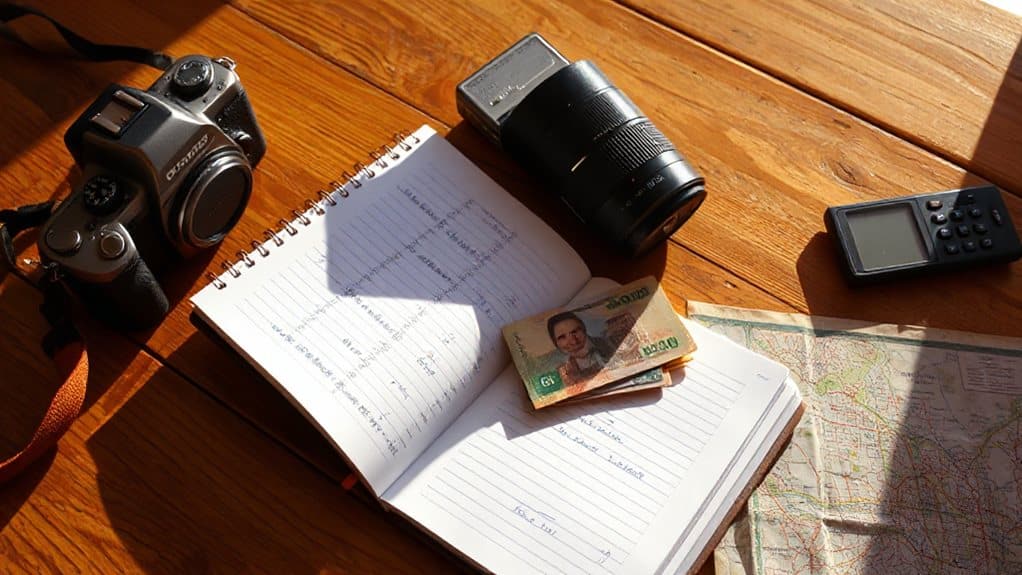
After admiring the waterfalls and cliffs of your nature‑focused stops, you’ll need a solid financial plan to keep the trip affordable. Allocate 25 % to transportation, 40 % to lodging, 25 % to food, and 10 % to activities, then add a 20 % contingency for unexpected fees, tips, and souvenirs. Use fare‑alert apps, book mid‑week, and track daily spending with a budgeting tool to stay within limits.
And Finally
By planning ahead, you’ll minimize stress and costs during peak‑season travel. Choose dates wisely, lock in flights and hotels early, and travel light to stay flexible. Utilize loyalty programs and credit‑card perks for discounts, and prioritize event‑based itineraries that suit your group. Use real‑time traffic and crowd apps to adjust plans, and include nature‑focused spots for variety. Finally, set a realistic budget with a contingency fund to cover unexpected expenses, ensuring a smooth, enjoyable trip.


