You feel a flight is bumpier when it runs into clear‑air turbulence, jet‑stream wind shear, or other atmospheric disturbances that the aircraft’s structure and route planning can’t fully smooth out. Clear‑air pockets hide rapid changes in wind speed or direction, especially near 30,000 ft where fast jet‑stream air meets slower surrounding air, creating sudden eddies. Jet‑stream edges produce sharp wind‑shear shifts that accelerate or decelerate the plane. Flexible wings can absorb some of this energy, but routes crossing the Atlantic jet stream in winter or the south‑Atlantic in summer still face the highest risk. Pilots use radar, SIGMETs, and real‑time reports to anticipate and avoid rough patches, and passengers stay safest with seatbelts fastened. Continue to learn how pilots forecast and mitigate turbulence.
TLDR
- Clear‑air turbulence from invisible jet‑stream shear creates sudden gusts that radar can’t detect, causing uneven bumps.
- Crossing the jet‑stream core at cruising altitude produces rapid wind‑speed changes, intensifying turbulence.
- Flexible, adaptive wing designs absorb gust energy, reducing perceived motion compared to rigid wings.
- Seasonal and route factors—winter Atlantic jet streams and summer Southern Hemisphere routes—expose flights to stronger turbulence.
- Pilot forecasting tools (SIGMETs, G‑AIRMETs, PIREPS) and altitude adjustments influence how much turbulence a flight encounters.
Why Does Clear‑Air Turbulence Make Flights Feel Rough?
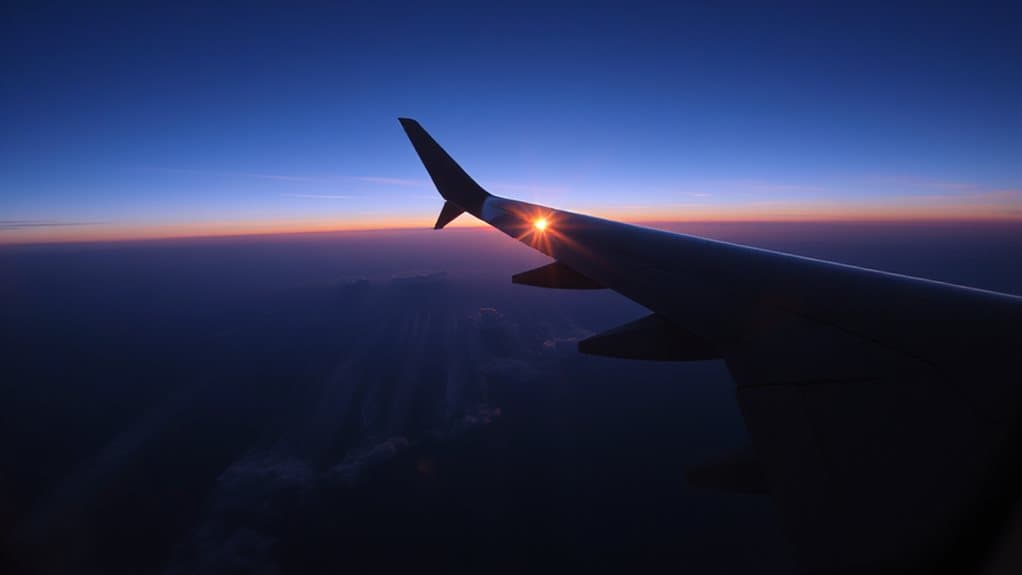
You’re flying through invisible air pockets where wind shear shifts speed or direction over short distances.
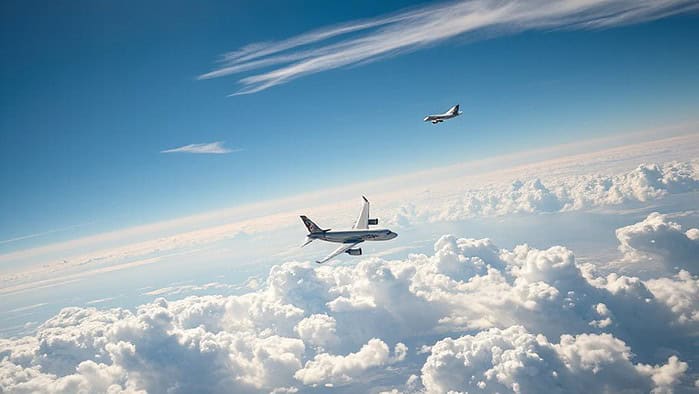
At 30,000 feet, fast jet‑stream air meets slower surrounding air, creating eddies that jolt the plane.
Pilots can’t see it on radar, so sudden bumps catch you off guard, reducing comfort and raising safety concerns.
Clear‑air turbulence is hard to detect with current radar technology.Safety matches in carry-on are limited to one small packet, which can also surprise travelers during screening if they’re not aware of the rules.
How Does Jet‑Stream Wind Shear Affect Ride Comfort?
When a plane crosses the edge of a jet‑stream, the sudden change in wind speed—known as wind shear—creates a sharp acceleration or deceleration that you feel as a jolt.
The jet’s core can reach 110 knots, and wind speed may shift 40 knots over 150 miles, producing clear‑air turbulence.
This shear intensifies with altitude, so at cruising levels you may experience brief, strong bumps that linger for minutes.
Jet-stream shear is different from thunderstorm hazards, but turbulence is still a key operational risk when conditions are unstable.
How Do Flexible Wings Lessen Turbulence Bumps?
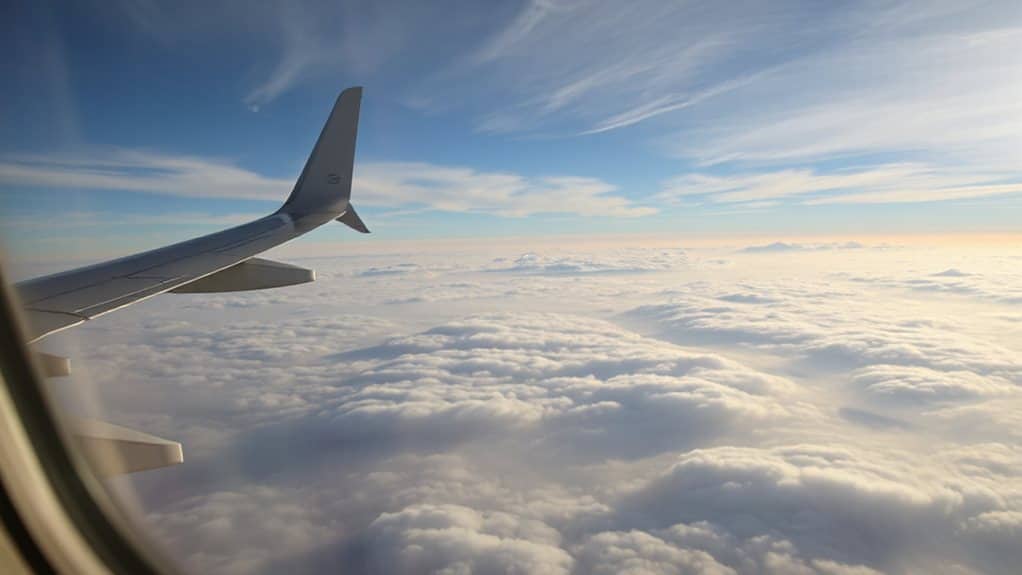
Flexing wings absorb gust energy before it reaches the cabin, turning sharp air motions into gentle wing deflection.
You feel less bump because the wing bends upward several meters, spreading load across its structure.
Sensors monitor wind changes hundreds of times per second, adjusting flaperons in milliseconds.
This adaptive flex reduces vertical accelerations by up to 40%, giving a smoother, freer ride.
It also improves ride comfort by increasing aerodynamic damping and smoothing sudden changes in airflow.
Which Routes and Seasons Have the Highest Turbulence Risk?
You’ll notice that flights crossing the Atlantic jet stream in winter face the highest turbulence risk, because the strong, fast‑moving air currents intensify any atmospheric disturbances.
In the same season, thunderstorms in the mid‑latitude regions add another layer of instability, especially when they intersect with jet stream pathways.
These combined effects make both the Atlantic jet routes and winter thunderstorm periods the most prone to bumpier rides. Pilots use Doppler weather radar to detect and avoid hazardous thunderstorm cells in real time.
Atlantic Jet Stream Routes
Across the Atlantic, the jet streams dictate where turbulence spikes and when, so the routes that intersect their cores carry the highest risk.
You’ll feel the most bumpiness on New York‑London, Boston‑Halifax, and other north‑bound paths during December‑March when the North Atlantic jet intensifies.
South‑Atlantic flights like London‑South Africa or Cape Town‑Durban see peaks June‑September.
Pilots often reroute north or south to avoid core streams.
Winter Thunderstorm Season Peaks
You’ll find the highest turbulence on east‑west corridors that intersect the jet stream and mountain ranges, where wind shear and convective storms combine.
Winter thundersnow adds brief, intense bumps, while summer thunderstorms dominate most airports, making seasonal timing vital for smoother flights.
How Do Pilots Forecast and Avoid Turbulent Patches?
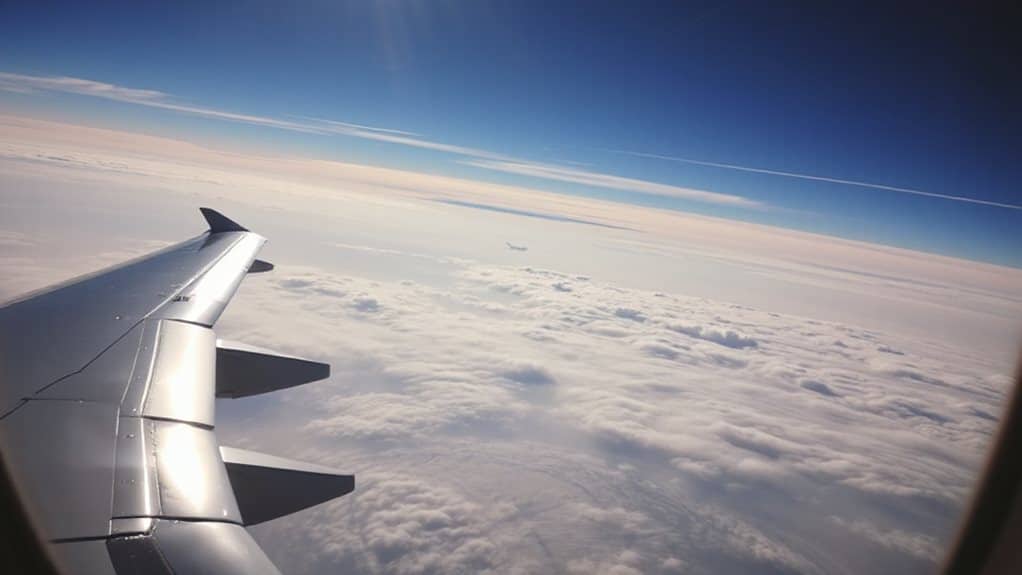
Pilots start by pulling the latest pre‑flight forecasting tools, such as weather radar images that color‑code turbulence intensity—green for light, yellow for moderate, and red for avoidance zones. You check GTG listings, SIGMETs, and G‑AIRMETs, then scan real‑time PIREPS and AMDAR data. EDR metrics and GTGN updates guide altitude tweaks, while dispatchers and GRAF models help you chart smoother routes and dodge storm‑generated patches. Pilots can also factor in real-time gate-and-check constraints for passengers, since gate-checking delays can affect how crews manage departure timing and sequence.
What Can Passengers Do to Stay Safe During Turbulence?
When turbulence hits, the simplest and most effective thing you can do is keep your seatbelt fastened low and tight around your waist, even if the seat‑belt sign is off. Stay seated, follow crew instructions, and brace against the seat or your knees. solid melatonin is generally allowed in carry-on, and if you bring gummies or pills, TSA typically treats them like other reasonable solid supplements in your luggage. Secure all belongings, heed safety briefings, and breathe deeply to stay calm and protect yourself.
And Finally
By knowing why clear‑air turbulence, jet‑stream shear, and wing flexibility affect a flight, you can anticipate where bumps are likely. Seasonal patterns and route choices also influence risk, while pilots use forecasts and real‑time data to steer around rough air. As a passenger, keep your seat belt fastened, follow crew instructions, and store loose items securely. These simple steps help you stay safe and comfortable when turbulence does occur.