Light turbulence feels like gentle bumps and slight tilts, while moderate turbulence adds stronger jolts and makes your seat belt strain. Severe turbulence is abrupt, with rapid altitude shifts and violent shaking that can briefly lift you from your seat. These levels are defined by how the aircraft reacts—changes in attitude, altitude, and control difficulty—rather than just atmospheric conditions. Convective, mechanical, clear‑air, wake, and mountain‑wave turbulence each produce different intensities. Keep your seat belt fastened low on your waist, stay seated, and follow crew instructions; pilots will adjust altitude or speed to find smoother air, and you’ll notice the seat‑belt sign flashing and a possible smoother ride after the change. Continue on and you’ll learn more details.
TLDR
- Light turbulence feels like gentle bumps with slight shifts of a few feet and a few degrees of tilt.
- Moderate turbulence adds stronger jolts, noticeable seat‑belt strain, and occasional object movement.
- Severe turbulence causes abrupt altitude or attitude changes, violent seat‑belt pressure, and brief loss of control.
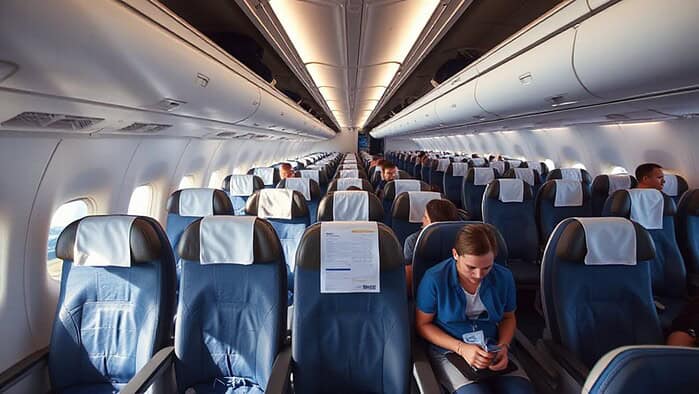
- Keep your seat belt fastened low on the waist at all times, even when the sign is off, and secure loose items.
- Pilots may change altitude or speed to avoid turbulence, while crew will pause service and activate the seat‑belt sign.
What Do Turbulence Levels Feel Like on Board?
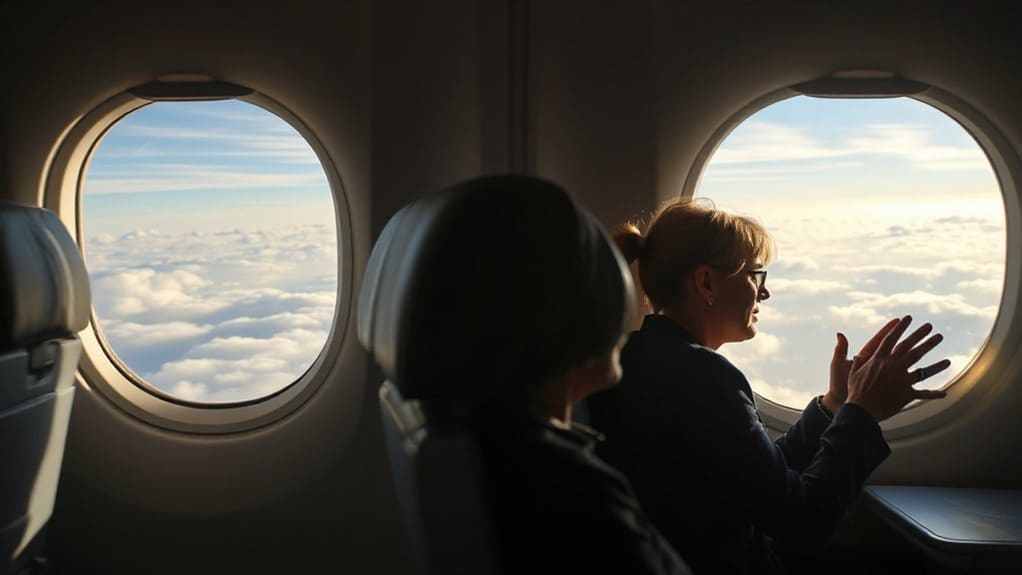
How does turbulence feel when you’re on a plane? Light turbulence feels like a gentle bump, a slight shift of a few feet and a few degrees of tilt, while moderate turbulence adds stronger jolts, objects may shift, and you feel noticeable strain against your seat belt. Severe turbulence feels abrupt, with rapid altitude changes, violent seat‑belt pressure, and brief loss of control. Large, abrupt changes in altitude and/or attitude characterize severe turbulence. Turbulence is sustained by an energy cascade from large to small vortices, which is why the bumps can intensify quickly.
Why Are Turbulence Levels Defined the Way They Are?
Because turbulence classifications are meant to describe how the aircraft reacts, not just the atmospheric conditions, the scale is built around observable effects on the airplane. You’ll see light, moderate, severe, and extreme levels because they reflect how much the plane’s attitude or altitude changes, not just wind speed. Pilots factor aircraft size, seat‑belt strain, and control difficulty, ensuring reports stay consistent for forecasts and safety, and Doppler weather radar helps them detect hazardous thunderstorm cells around which turbulence can intensify.
Which Turbulence Types Generate the Different Turbulence Levels?
The four turbulence classifications—light, moderate, severe, and extreme—are each tied to specific physical mechanisms that produce distinct aircraft responses.
Convective turbulence creates light to moderate bumps on warm afternoons, while mechanical turbulence over rough terrain can push you into moderate or severe levels.
Clear‑air turbulence in jet streams may surprise you with severe jolts.
Wake turbulence from larger aircraft can generate severe or extreme shaking for smaller planes, and mountain‑wave turbulence often produces severe altitude shifts.
During cruise, pilots continuously monitor autopilot and flight systems to confirm the aircraft remains safely controlled even when turbulence levels increase. procedural discipline
How to Stay Safe During Any Turbulence Level?
Stay seated and keep your seat belt fastened whenever you’re in your seat, even if the belt sign isn’t lit, because turbulence can strike without warning. Fasten the belt snugly low on your waist, stay seated, and avoid walking until the aircraft is stable. Secure all carry‑ons, close overhead bins, and follow crew instructions promptly. If severe turbulence occurs, brace by leaning forward, covering your head with your hands. thunderstorms can create hazardous conditions like turbulence, lightning, and strong winds that increase the risk of sudden rough air.
How Do Pilots and Crew Handle Turbulence and What You’ll Notice?
Even if you’ve already learned to stay seated and keep your belt fastened, the next step is to understand what pilots and cabin crew actually do when turbulence hits and what you’ll feel in the cabin.
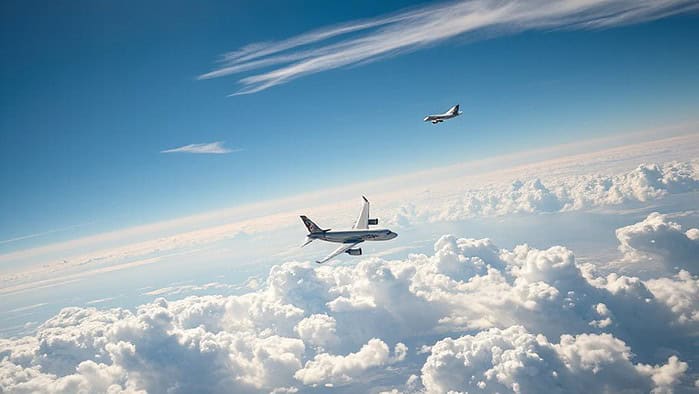
Pilots adjust altitude or speed, sometimes descending or climbing thousands of feet to find smoother air, and engage autopilot modes that dampen control inputs. Pilots can also rely on TCAS to maintain situational awareness in case nearby aircraft need coordinated vertical changes, even while turbulence is being managed.
Crew turns on the seat‑belt sign, stops service, and secures themselves, while you’ll notice the sign flashing, a brief jolt, and possibly a smoother ride after the aircraft changes altitude or slows to penetration speed.
And Finally
Understanding turbulence levels helps you stay informed and safe during a flight. You now know how each level feels, why they’re defined, and which turbulence types cause them. By following crew instructions, keeping your seatbelt fastened, and trusting pilots’ handling, you can minimize risk. Remember that turbulence is a normal part of aviation, and modern aircraft are designed to endure it. Stay alert, stay seated when advised, and enjoy a smoother trip.