Pick destinations with strong health security like Iceland, Switzerland, or New Zealand, then verify required vaccines—MMR, Tdap, influenza, COVID‑19, plus hepatitis A/B, typhoid, or yellow fever if needed—at least a month before you leave. Pack a compact first‑aid kit with bandages, antiseptic wipes, pain relievers, antidiarrheal meds, insect repellent, SPF sunscreen, and a portable hand sanitizer. Boil or filter water, eat fully cooked foods, and wash hands for 20 seconds whenever possible. Stay hydrated, get enough sleep, and monitor local outbreak alerts and medical services; the next sections will show you how to keep your travel health on track.
TLDR
- Keep routine vaccines up‑to‑date and get destination‑specific shots (e.g., hepatitis A/B, typhoid, yellow fever) at least a month before departure.
- Pack a comprehensive travel‑first‑aid kit with antiseptics, pain relievers, antidiarrheals, motion‑sickness meds, and insect repellent.
- Practice strict hand hygiene: wash with soap for 20 seconds or use 70‑95% ethanol sanitizer before meals and after touching surfaces.
- Drink only treated water (boiled, filtered, or chemically disinfected) and eat fully cooked foods; avoid raw seafood, unpasteurized dairy, and street‑vendor fare.
- Monitor real‑time health alerts (WHO, CDC, PAHO) and local outbreak news, and inform healthcare providers of your travel itinerary and any symptoms.
Choose Your Destination for Travel Health Safety
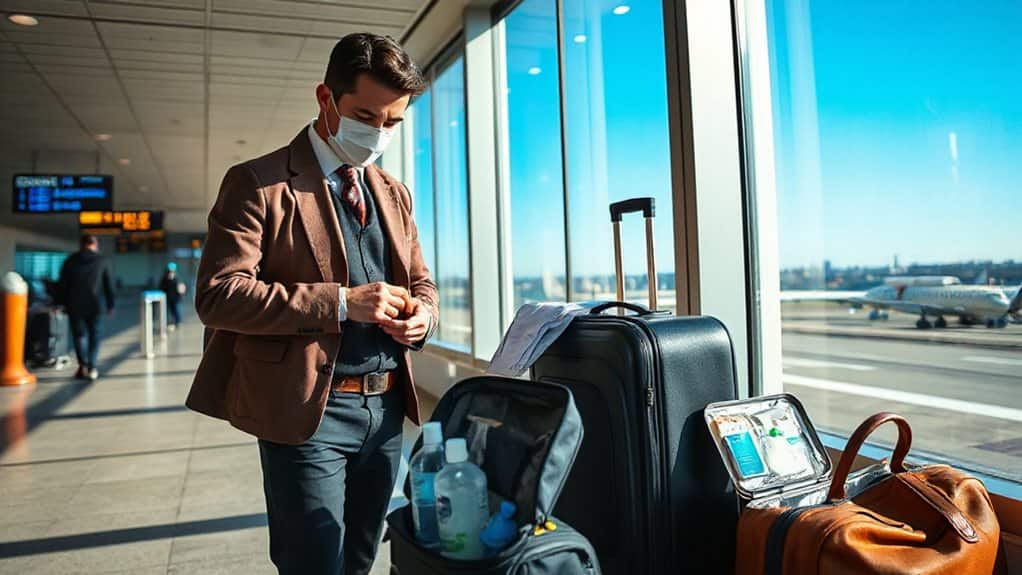
Where should you go if you want to minimize health risks while traveling? Choose Iceland, Switzerland, or Norway for top HelloSafe scores, or the Netherlands for strong health measures and inclusive safety. Australia and New Zealand also rank high for biosecurity and low crime. These destinations combine low violent‑crime rates, stable politics, and reliable healthcare, giving you freedom to discover with minimal health concerns. The index’s health security pillar shows that these countries excel in medical infrastructure and disease prevention. Competition-driven pricing supports precision and agility in dynamic markets, so travelers can often find lower fares on well-served routes.
Pack a Travel Health Safety First‑Aid Kit
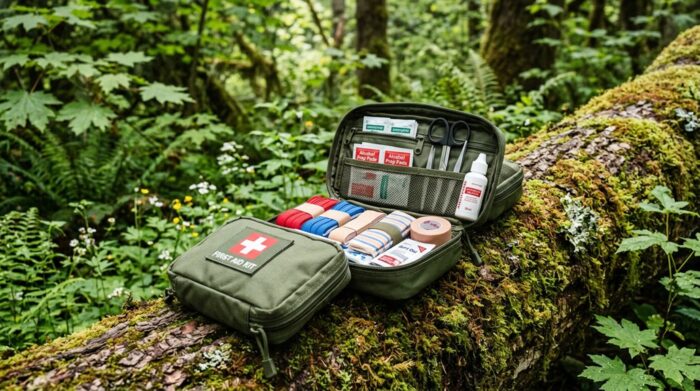
Choosing a safe destination is only half the preparation; the next step is to assemble a travel health safety first‑aid kit that covers common injuries and illnesses. Pack adhesive bandages, gauze, tape, elastic wraps, scissors, antiseptic wipes, antibiotic ointment, aloe gel, tweezers, hydrocortisone, acetaminophen, ibuprofen, thermometer, cold packs, antidiarrheal, antacids, motion pills, rehydration salts, sanitizer, antibacterial wipes, gloves, insect repellent, and SPF 30+ sunscreen. Every U.S. flight also requires that airlines provide at least four seat belt extenders onboard, so consider whether you may need one and how to request it from cabin crew.
Get Vaccinations and Travel Health Insurance
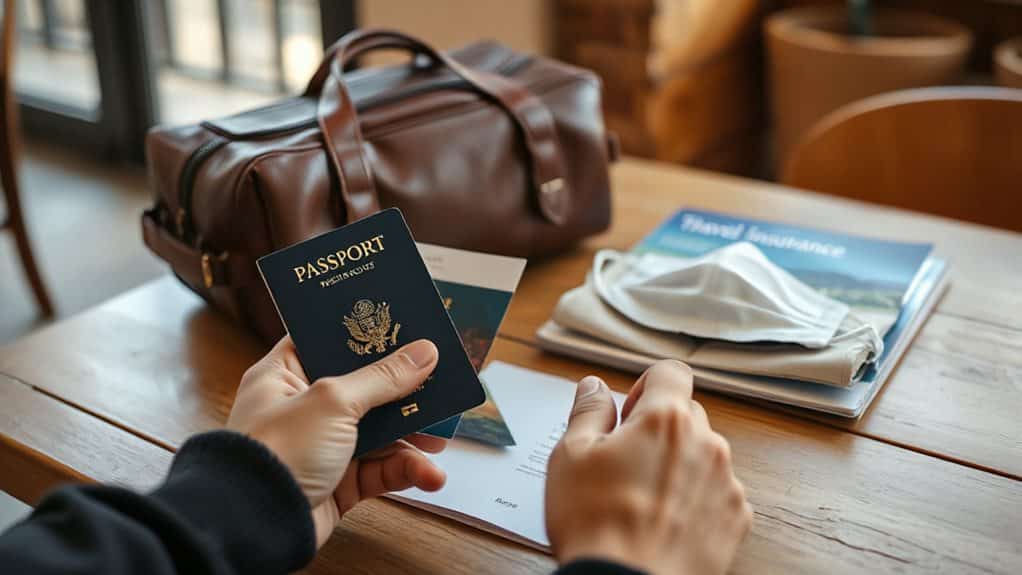
You should verify which immunizations are required for each country you’ll visit, then schedule any needed shots at least a month before departure. At the same time, compare travel‑health insurance plans that cover medical evacuations, treatment for vaccine‑preventable illnesses, and quarantine costs. Having both up‑to‑date vaccines and solid insurance ensures you’re protected against health risks that vaccines alone can’t address. Consider packing basic first‑aid supplies and medicines for common travel ailments, especially when visiting remote areas like Bako National Park where access to care can be limited.
Required Immunizations
Getting the right immunizations before you travel is a non‑negotiable step in staying healthy abroad, and it starts with confirming that your routine vaccines—MMR, Tdap, influenza, COVID‑19, and varicella—are up to date.
Add hepatitis A and B if you’ll face uncertain sanitation, and consider typhoid, yellow fever, Japanese encephalitis, or rabies for specific regions.
Schedule at least one month ahead, using a travel clinic or your doctor.
Insurance Coverage Essentials
Ever wonder why travel insurance matters as much as your vaccines? You need primary coverage for multi‑trip plans, while single‑trip policies can be primary‑only. Check that your insurer meets Schengen’s €30 K minimum, Saudi’s eVisa fee, and Tanzania’s government mandate. Look for emergency medical, evacuation, repatriation, 24‑hour assistance, and accidental death limits up to $1 M. Verify coverage for pre‑existing conditions, activities, and U.S. insurer limits before you go.
Food‑and‑Water Safety for Travel Health
How can you keep food and water safe while traveling? Boil or filter water, use chemical tablets, and avoid drinking from streams or untreated sources. Choose fully cooked meats, eggs served hot, and sealed packaged foods. Peel fruits and wash produce with disinfected water. Skip raw seafood, unpasteurized dairy, and street‑vendor dishes. Follow CDC guidelines for each destination and bury waste far from water sources. For longer trips, plan your route and budget carefully to allow time for safer food options and proper preparation, especially when crossing multiple countries like Thailand & Laos.
Hand Hygiene for Travel Health Safety
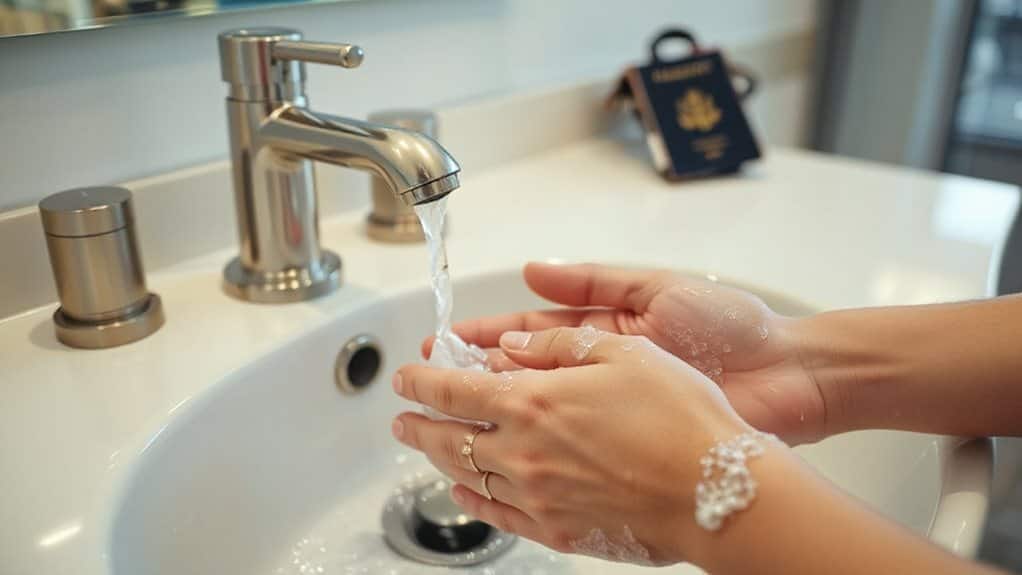
You should keep a portable hand sanitizer handy for quick clean‑ups between flights and after touching shared surfaces.
Choose an antibacterial soap when you have access to water, and scrub for at least 20 seconds to remove pathogens effectively.
Also, make it a habit to wipe down high‑touch areas like tray tables, armrests, and door handles with sanitizer before you use them.
Travel smart by planning to visit free museums and parks during your trip to reduce stress and exposure in crowded paid attractions.
Carry Portable Hand Sanitizer
Hand hygiene is a cornerstone of travel health, and carrying a portable hand sanitizer lets you protect yourself when soap and water aren’t readily available. Choose a 70‑95% ethanol formula with glycerin for best germ‑killing power, and keep a 1‑2 oz bottle in your bag. Apply it before meals, after touching surfaces, and when hands feel dirty; it works faster than washing and reduces diarrheal illness risk by nearly half. Remember to let it dry fully for maximum effect.
Choose Antibacterial Soap
While a portable hand sanitizer covers quick clean‑ups, the bulk of hand hygiene on the road still relies on soap and water. Plain soap removes germs as well as antibacterial variants, so you don’t need the pricey label. Antibacterial chemicals can upset skin microbes, linger, and even cultivate resistant bacteria. Choose inexpensive, unscented soap, lather, rinse, and keep your hands safe without extra chemicals.
Sanitize High‑Touch Surfaces
Where do you start when you’re constantly touching elevator buttons, railings, and phone screens on the road? Disinfect those high‑touch spots with wipes or portable spray every few hours; a 2‑hour schedule cuts infection risk by 83 %.
Carry a small sanitizer bottle, focus on handrails, door handles, and phone screens, and remember microbes transfer to fingertips in 60 % of contacts.
Stress, Sleep, and Hydration for Travel Health
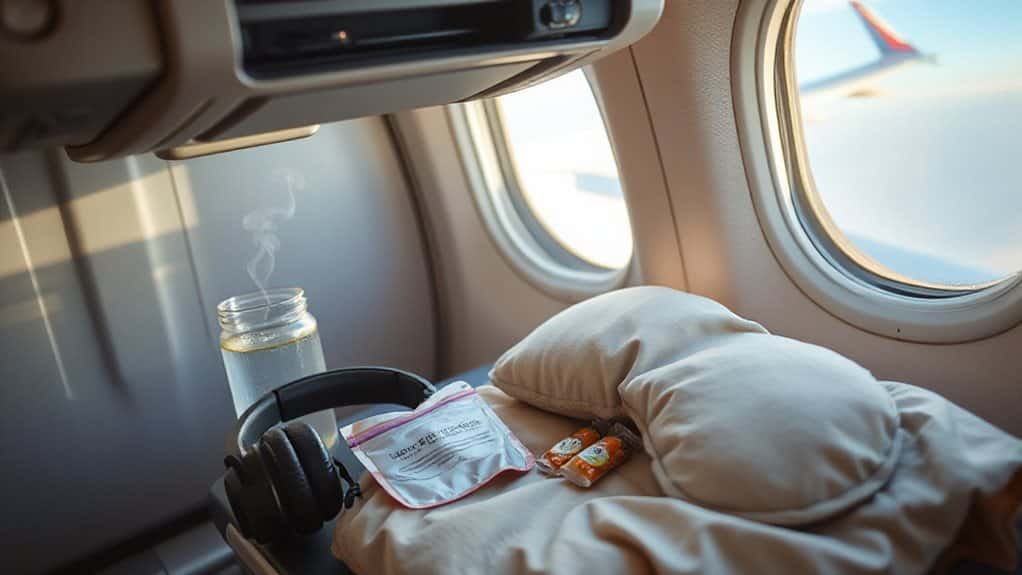
How does stress, sleep, and hydration shape your travel health? Frequent trips raise stress, anxiety, and burnout, especially for women and those flying often. Jet lag disrupts sleep, increasing fatigue and blood pressure. Dehydration worsens headaches, muscle spasms, and anxiety‑related symptoms. Counter these effects by planning rest periods, staying hydrated, and using relaxation techniques. Consistent sleep and fluid intake protect mental and physical health on the road. Budget travelers can also reduce stress and preserve well‑being by choosing accommodations near public transport and attractions to minimize transit time.
Portable Tech for Travel Health Safety
When you’re on the move, compact medical devices let you monitor essential signs without missing a beat. A BV Medical Pulse Oximeter or OrSense NBM 200 fits in a lanyard case, showing SpO₂ and pulse instantly. Portable nebulizers like OMRON MicroAir work silently, while wearable trackers and smartwatches log heart rate, sleep, and activity. AliveCor KardiaMobile provides 30‑second ECGs via phone, and a digital thermometer gives quick temperature reads. All devices are lightweight, battery‑friendly, and ready for travel.
Local Medical Services for Travel Health
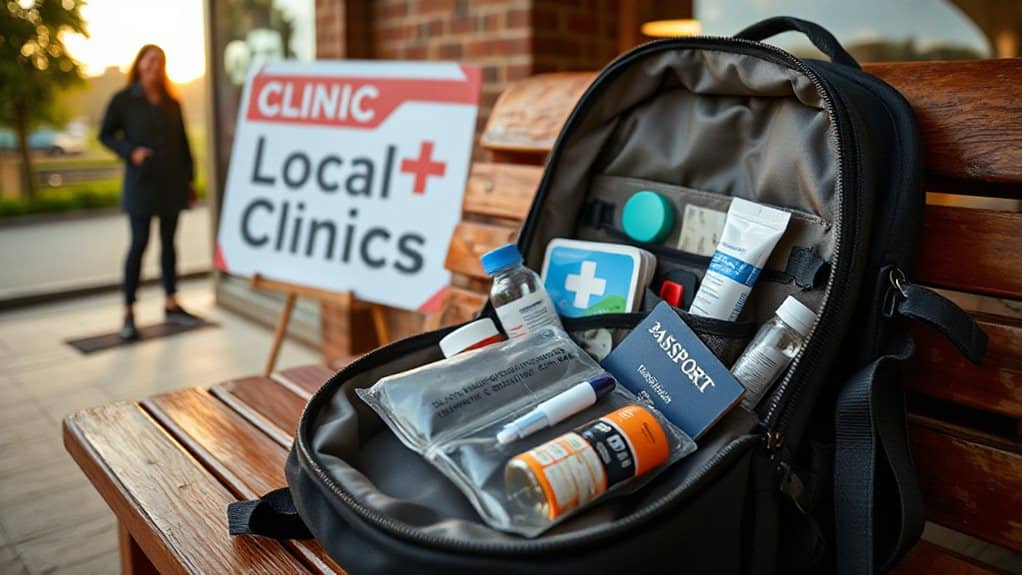
What local medical services you’ll need while traveling depends largely on where you’re headed and how far the nearest providers are. In rural areas you may drive 10‑18 minutes to a hospital, while urban sites are often within 5 minutes. Check for primary‑care clinics, travel‑medicine offices, and vaccination centers before you leave. If you have chronic conditions, locate specialists and confirm insurance coverage. Knowing travel times and transportation options helps you avoid delays and stay healthy.
Outbreak Alerts for Travel Health Safety
Local medical services help you manage health issues once you’re on the road, but staying ahead of emerging disease threats is equally important. Check WHO, CDC, and PAHO alerts for dengue in Southeast Asia, chikungunya in Bolivia and Seychelles, and hantavirus in Argentina. Verify vaccination needs for polio, yellow fever, measles, and Ebola. Monitor local updates, avoid mosquito bites, and inform providers of travel history.
And Finally
By following these steps—selecting safe destinations, packing a thorough first‑aid kit, staying up‑to‑date on vaccinations and insurance, practicing food and water safety, maintaining hand hygiene, managing stress, sleep, and hydration, using portable health tech, locating local medical services, and monitoring outbreak alerts—you’ll minimize the risk of illness while traveling. Consistent application of these practices protects your health and guarantees a smoother, more enjoyable trip.