You should spend at least 3–5 days in Tokyo to comfortably see key sights like Shibuya, Senso-ji, and Meiji Shrine without rushing. Three days works for a quick overview, but 4–5 days gives you time to explore neighborhoods, sample food, and take a day trip to Nikko or Hakone. With 6 or more days, you can visit distant spots like Kamakura or Ghibli Park and enjoy a relaxed pace. Your ideal stay depends on your interests and travel style—more time reveals deeper layers of the city.
TLDR
- First-time visitors should spend 4–5 days in Tokyo to balance highlights and pacing without rushing.
- A minimum of 3 days allows coverage of key neighborhoods like Shibuya, Asakusa, and Harajuku.
- With 2 days, focus on clustered attractions and prioritize timed entries to maximize efficiency.
- Six or more days enables deeper exploration, including day trips to Nikko, Hakone, or Ghibli Park.
- When combining with other cities, 3–5 days in Tokyo offers a realistic and fulfilling experience.
Understanding Tokyo’s Scale and Attractions
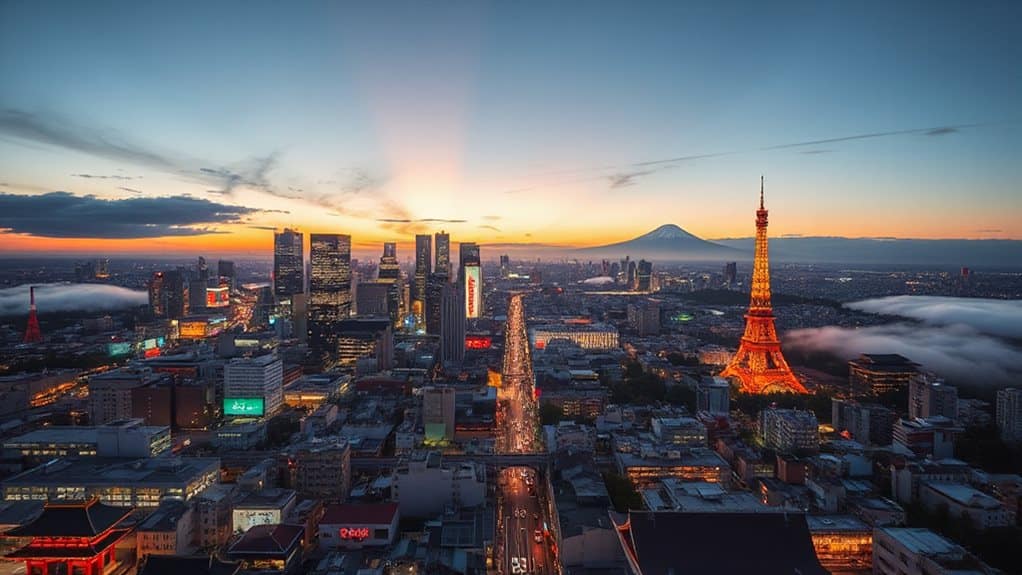
While Tokyo may seem like a single sprawling city, it’s actually a vast and varied metropolis with layers of urban, suburban, and rural areas that shape your travel experience.
You’ll find dense wards like Shibuya with 14,000 people per square kilometer, sprawling suburbs, and mountainous regions. Many visitors base themselves in central wards to access major attractions and day-trip options.
Key attractions span from the Imperial Palace to Odaiba’s futuristic sights, offering diverse experiences across its 2,194 square kilometers.
The city’s extensive public transportation network, including 13 subway lines covering 304 kilometers, makes it possible to explore this immense area efficiently.
Ideal Duration for First-Time Travelers
You’ll want at least 5 days to see Tokyo’s top sights without rushing.
This gives you time to discover neighborhoods like Asakusa and Shibuya, enjoy the food scene, and adjust to jet lag with early starts.
Three days works if you’re short on time, but 4 to 5 days strikes the best balance for a first visit.
You can also pair nearby attractions in a single area—like visiting a major museum and El Retiro Park when exploring central city neighborhoods.
Optimal First-Trip Length
A 5-day visit strikes the ideal balance for first-time travelers exploring Tokyo, providing enough time to experience both its historic landmarks and lively modern districts without feeling rushed.
You’ll cover cultural sites like Senso-Ji and the Imperial Castle while enjoying Shibuya’s energy and Harajuku’s creativity.
This duration fits jet lag recovery, allows efficient neighborhood clustering, and provides flexibility for hidden gems or day trips, ensuring a thorough, stress-free introduction to the city’s vast selection.
Balancing Sightseeing Pace
Five days in Tokyo gives you enough time to see the highlights without burnout, but how you distribute that time shapes your experience just as much as the sights themselves. Visit Shibuya Crossing early or at sunset with a reservation at Shibuya Sky.
Balance urban energy with Meiji Shrine’s calm—go mid-morning on a weekday.
Hit Asakusa’s Thunder Gate before crowds.
Use the Yamanote Line to move efficiently, and pre-book major attractions to save time.
Making the Most of a 3-Day Visit
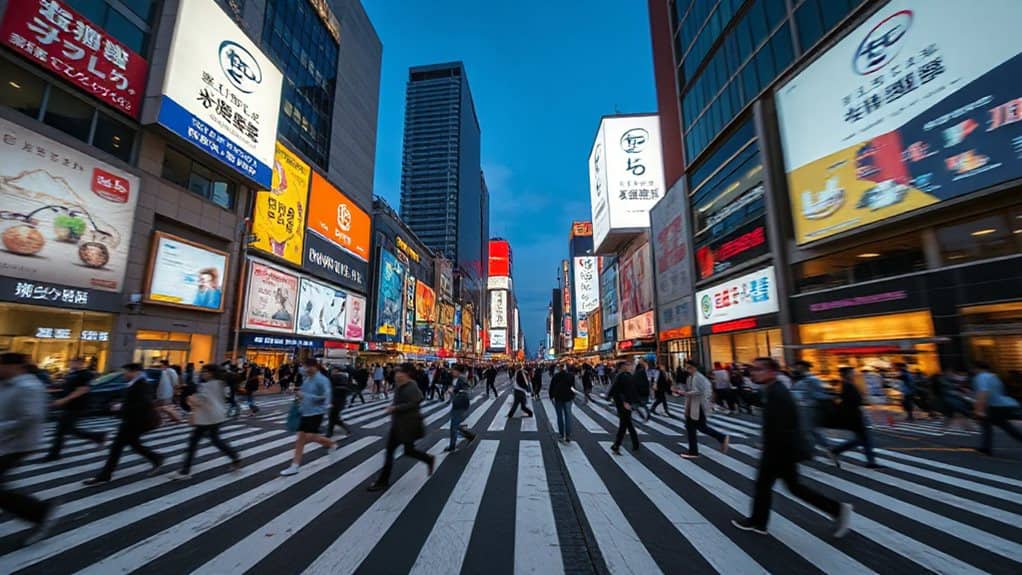
Kick off your 3-day Tokyo escapade by diving into the city’s energetic blend of modernity and tradition, starting in the lively neighborhoods of western Tokyo.
Hit Harajuku, Shibuya, and Ueno on Day 1, examine Asakusa and Akihabara on Day 2, then tackle central sights like the Imperial Palace and Tsukiji on Day 3.
Use the Yamanote Line and subways for quick, flexible travel.
Hong Kong is compact with excellent MTR/subway accessibility, making short multi-day visits convenient and efficient.
Benefits of Staying 4 to 5 Days
You’ll get the ideal amount of time to see Tokyo as a first-timer when you stay 4 to 5 days.
This schedule lets you balance sightseeing across both modern and traditional neighborhoods without feeling rushed.
You also gain a full day for a trip outside the city, whether it’s for Mount Fuji views or exploring nearby historic towns.
You can also enjoy iconic local experiences like sampling authentic street food from carts and vendors throughout the city.
Ideal Duration for First-Timers
While Tokyo offers a wealth of experiences that can tempt you to rush from one attraction to the next, spending four to five days gives you the time needed to investigate the city thoughtfully and thoroughly.
You can discover Senso-ji’s shops, experience teamLab’s installations, visit Meiji Shrine, and wander Shibuya without pressure.
This duration balances depth and flexibility, letting you move freely across neighborhoods while fully engaging with cultural, digital, and culinary highlights at a sustainable pace.
Balanced Sightseeing Without Rush
Sticking to a four- to five-day itinerary lets you move through Tokyo with a steady rhythm, giving each neighborhood the attention it deserves without feeling hurried.
You’ll balance lively districts like Shibuya with serene temples like Sensō-ji, roam on foot to uncover hidden shops, and enjoy meals at a relaxed pace.
This duration eases transit stress, avoids rush-hour crowds, and leaves room for spontaneity—all while keeping your schedule flexible and fatigue low.
Time for Day Trips Included
Building in time for day trips becomes a realistic part of your plans when you stay four to five days in Tokyo.
You can visit Nikko’s shrines, Hakone’s hot springs, or Yokohama’s waterfront without rushing.
These excursions enhance your experience, offering deeper cultural understanding.
With extra days, you’ll investigate beyond the city at your own pace, fitting in both urban highlights and regional gems seamlessly.
When to Consider 6 or More Days
If you’re planning to plunge deep into Tokyo’s layered cultural terrain and make the most of its diverse districts, committing to six or more days gives you the time to investigate thoroughly without rushing.
You can delve into Meiji Shrine’s vast grove, visit distant attractions like Ghibli Park, and wander Asakusa or Yanaka at your own pace.
With advance-booked sites, seasonal events, and off-peak timing, extra days offer freedom to experience Tokyo fully and authentically.
You’ll also have time to fit in major landmarks and green spaces like KLCC Park that offer a restful contrast to city sightseeing.
Planning Day Trips From Tokyo
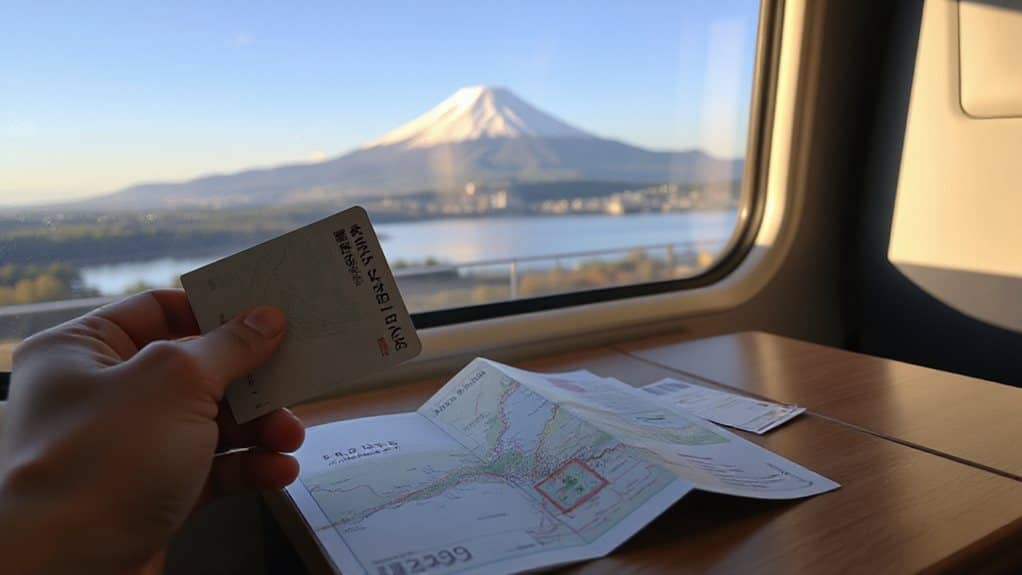
With six or more days in Tokyo, you gain the flexibility to uncover beyond the city and experience some of Japan’s most scenic and culturally rich destinations—all within a short trip.
You can visit Kamakura’s temples, ride Mt. Takao’s cable car, relax in Hakone’s hot springs, or enjoy Hitachi’s gardens.
Trains, buses, and boats make access easy, letting you roam freely.
You can also plan museum-rich day trips to places like the National Museum to deepen your historical understanding of the region.
Balancing Tokyo With Other Cities
While Tokyo often serves as the gateway to Japan, most travelers find it’s just one piece of a broader itinerary that includes cultural hubs like Kyoto and Osaka.
For a balanced trip, spend 3–5 days in Tokyo, then 2–3 days in Kyoto. The Shinkansen takes 2.5 hours, but add buffer time for transfers.
Many visitors stay 7+ nights total across cities, especially from the U.S. and Europe.
How Travelers From Nearby Countries Approach Tokyo
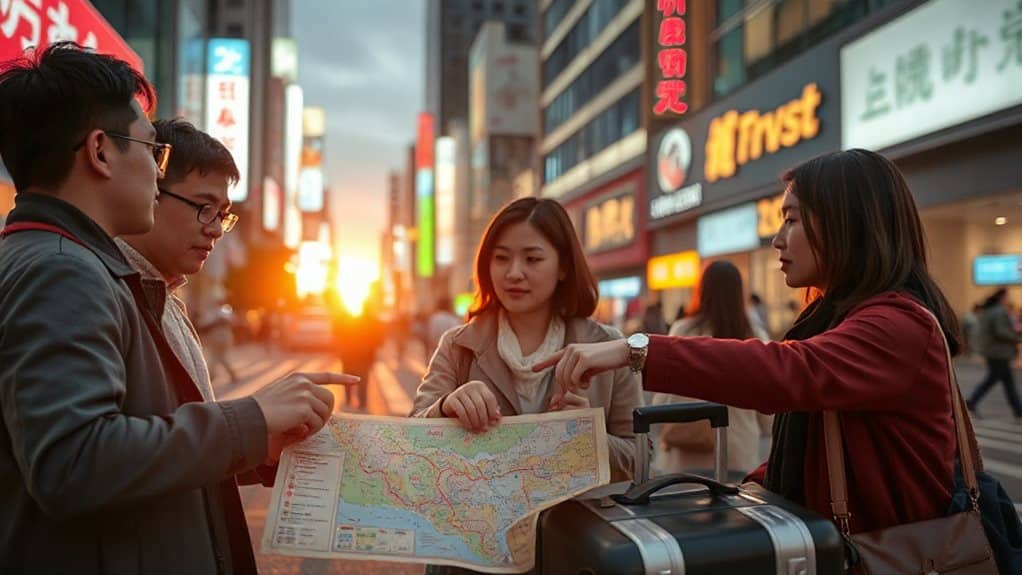
Travelers from nearby Asian countries often opt for shorter, more frequent trips to Tokyo thanks to the region’s close proximity and convenient flight connections.
You’ll likely spend 4–7 days in Japan, with 3–5 nights in Tokyo.
Short flights—like 3.5 hours from Taipei or 6 from Bangkok—make weekend getaways easy, and minimal jet lag helps you move freely across the city without delay.
Matching Your Stay to Your Travel Style
You’ll want to match your time in Tokyo to your travel style, as the ideal length of stay depends on how you like to uncover.
Fast-paced travelers can hit highlights in 2 days with early starts.
Slow-paced sightseers enjoy 3–7 days for deeper investigation.
First-timers find 3–4 days ideal.
Thorough explorers prefer 4–5 days or more.
Short trip optimizers fit Tokyo into 2–3 days seamlessly.
And Finally
You’ll likely spend 4 to 5 days in Tokyo for a balanced visit, letting you investigate major districts, experience local culture, and take a day trip. Shorter stays work if you’re efficient, while longer trips suit those who want deeper investigation. You can adjust based on your interests, pace, and travel plans. Consider nearby cities or extended stays if time allows.