You’ll find round‑trip tickets often cost about 30 % less because airlines bundle fares, protect seats for return legs, and apply taxes per departure. Their pricing algorithms assign higher internal values to individual legs, but they reserve low‑fare buckets for combined itineraries, keeping round‑trip margins lower. Real‑time load factors and competition further push one‑way prices up, while fees and airport charges double on two separate tickets. If you keep going, you’ll uncover more details.
TLDR
- Airlines use revenue‑management algorithms that protect higher‑fare seats, making bundled round‑trip tickets cheaper than two separate one‑ways.
- Adaptive pricing adjusts fares based on demand, competition, and booking windows, often lowering round‑trip prices to fill both legs.
- Seat‑protection strategies reserve seats for later travelers, allowing round‑trip itineraries to secure lower marginal costs.
- Taxes, fees, and surcharges are typically charged per departure, so two one‑way tickets double many of these costs compared to a single round‑trip.
- Bundled round‑trip pricing leverages internal fare buckets (EMSRb) that assign higher internal values to legs when sold together, resulting in overall lower prices.
Why Round‑Trip Fares Are Usually Cheaper Than Two One‑Way Tickets
Because airlines design their fare structures to maximize revenue, they typically price round‑trip tickets lower than buying two separate one‑way legs. You’ll see round‑trip fares averaging 33 % cheaper—about $141 less—than two one‑ways on U.S. routes. United leads with 39 % savings, while JetBlue offers only 4 % savings. Over half of domestic one‑ways cost more per segment than round‑trips, especially close to departure. Real-time seat inventory management helps airlines protect higher-fare seats while releasing lower buckets, which often makes the round-trip package price more attractive than two separate one-way purchases. Two‑way‑awards can also provide added flexibility when plans change.
How Airlines Set Round‑Trip vs. One‑Way Pricing
You’ll notice that airlines use adaptive pricing algorithms that constantly adjust round‑trip and one‑way fares based on demand, competition, and booking windows. They also employ seat‑protection strategies, reserving a portion of seats for later‑stage travelers to keep the return leg filled and maximize revenue. real-time load factors help trigger automatic fare changes as flights fill, congestion changes, and the system predicts willingness to pay—so the round trip can be priced more competitively than buying two separate one-ways. These mechanisms together explain why a round‑trip can often be cheaper than buying two separate one‑way tickets.
Dynamic Pricing Algorithms
Airlines rely on responsive pricing algorithms that crunch real‑time data to set fares for round‑trip and one‑way tickets.
You’ll see them weigh demand, seat inventory, booking timing, weather, events and competitor prices.
They segment seats into price buckets, forecast load factors, and adjust fares instantly.
Elasticity models compare itinerary options, so round‑trip and one‑way prices reflect revenue optimization at each moment.
Seat Protection Strategies
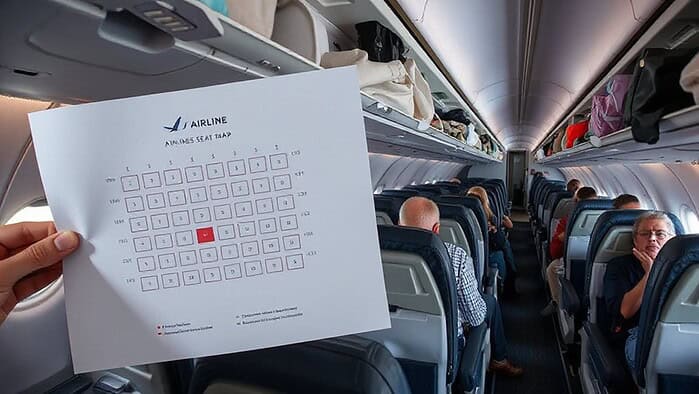
When airlines protect seats for round‑trip itineraries, they often bundle the two legs into a single fare bucket, which lets them control inventory and price elasticity across the whole trip.
You can lower costs by skipping advance seat picks, letting airlines assign seats at check‑in.
Choose low‑fee carriers like Alaska, Hawaiian, JetBlue, or United to avoid $15‑plus premiums, and watch for premium seat upgrades that may appear on full flights.
How EMSRb and Seat‑Protection Shape Round‑Trip vs. One‑Way Pricing
Because airlines calculate protection limits for each leg separately, the EMSRb model often ends up assigning a higher internal price to the legs that belong to a round‑trip itinerary than to the same legs sold as one‑way tickets. You’ll see EMSRb aggregates lower‑fare classes, setting protection levels that favor bundled legs. real-time dynamic pricing updates these protection and seat-allocation decisions as demand signals and booking patterns shift across both legs. Seat‑protection caps low‑fare bookings on each segment, so a round‑trip can secure seats at a lower marginal cost than two independent one‑way tickets, preserving your travel freedom.
How Demand Spikes and Low‑Demand Periods Shift Price Brackets
If demand spikes—say, because a holiday or a major conference draws thousands of travelers—airlines’ real‑time pricing engines instantly push seats into higher fare buckets, shrinking the availability of cheap tickets. You’ll see mid‑week flights stay low, while weekends surge. Low‑demand periods trigger discounts, releasing cheaper fare brackets. As departure nears, remaining seats climb into premium tiers, reflecting capacity scarcity. Yield management and fare buckets help explain why these price brackets can shift quickly as seat availability and demand change.
How Taxes, Fees, and Airport Charges Influence Round‑Trip vs. One‑Way Discounts

You’ll notice that airport taxes are usually charged per departure, so two one‑way tickets can double the tax cost compared to a single round‑trip that only pays once per airport pair.
Booking fees follow the same pattern, with carriers often applying a single fee to a round‑trip itinerary while charging twice for separate one‑ways, and government‑imposed charges such as passenger facility fees and security fees also accumulate per segment.
Because these taxes, fees, and surcharges are aggregated differently, the total price of two one‑ways often exceeds that of a round‑trip, especially on international routes where per‑ticket surcharges are higher.
If airlines reserve some booking-class control for round-trip pricing, that can further widen the gap between two one-way fares and a discounted round-trip option.
Airport Tax Structures
When you compare a round‑trip ticket to two one‑way legs, the way taxes, fees, and airport charges are applied can tip the balance in favor of the round‑trip, even if the base fare looks higher.
TSA fees cap at $11.20 for round‑trips, while PFCs and segment taxes double per leg.
Federal excise adds 7.5 % of the base fare, and international departure charges accrue per flight, so round‑trip totals often stay lower than two separate one‑way calculations.
Fee Aggregation Mechanics
Because taxes, fees, and airport charges are calculated per flight segment, their aggregation can dramatically shift the cost comparison between a round‑trip and two one‑way tickets.
You’ll see round‑trip awards often total fewer miles and lower cash fees because airlines bundle taxes, while one‑way bookings add separate surcharges per leg.
This aggregation can save you hundreds of dollars and miles, especially on international routes where per‑segment fees soar.
When Round‑Trip and Two One‑Way Fares Match – What It Means for You?
If a round‑trip fare and two one‑way tickets cost the same, you can treat them as interchangeable options for the same itinerary. This parity lets you pick the schedule that best fits your plans, mix airlines, or avoid change fees on a single ticket. However, watch for higher taxes, separate cancellation policies, and possible loyalty‑point reductions when you split the trip. For better tray height comfort, remember that tray tables around the mid‑to‑high 70 cm range tend to support more neutral neck posture than very low tray heights.
Why Award‑Miles Pricing Ignores Round‑Trip vs. One‑Way Cash Discounts
Although cash fares often reward round‑trip bookings with lower prices, award‑mile pricing doesn’t follow that logic; airlines calculate mileage costs per flight segment, so a round‑trip and two one‑way tickets usually require the same total miles.
You’ll see identical mile totals on Delta, United, and American, while fees may vary.
Segment‑based pricing gives you flexibility to mix cabins, programs, and stopovers without cash‑discount constraints.
Cash‑Shopper Checklist: Spotting the Cheapest Round‑Trip Deal
When you hunt for the cheapest round‑trip fare, start by treating flexibility as a core strategy rather than an afterthought.
Use Skyscanner’s “Whole Month” view, Google Flights map, and Hopper alerts to compare dates.
Check nearby airports, early‑morning or red‑eye options, and Sunday bookings.
Cross‑check Kayak, Kiwi.com, and airline sites, bundle with hotels, and monitor hidden fees for the best deal.
And Finally
You’ve seen why airlines price round‑trip tickets lower: revenue management, seat‑protection, demand cycles, and bundled fees all push the cost down. When you compare a round‑trip fare to two one‑way tickets, the round‑trip usually wins, but exceptions appear during peak demand or special promotions. Award‑mile pricing ignores these cash discounts, so cash shoppers should still check both options. Use the checklist to spot the best deal and maximize your savings.