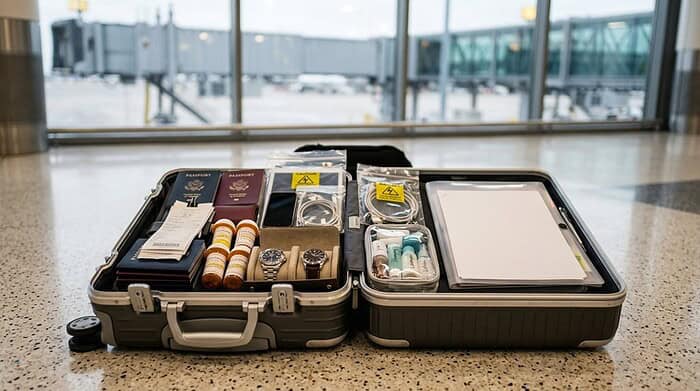
Global Entry speeds your U.S. arrival by letting you skip regular customs lines with automated kiosks, and it automatically includes TSA PreCheck for domestic flights. You must be a U.S. citizen, permanent resident, or citizen of select countries, pass a background check, and attend an in‑person interview after paying a $100‑$120 fee. Similar programs—NEXUS for Canada‑U.S. travel, SENTRI for Mexico lanes, and FAST for commercial cargo—offer customized benefits and also bundle TSA PreCheck. If you keep going, you’ll uncover how to choose the best program for your trips.
TLDR
- Global Entry fast‑tracks U.S. customs for low‑risk travelers, includes TSA PreCheck, and requires a background check, fee, and in‑person interview.
- Eligible participants are U.S. citizens, permanent residents, and nationals of select countries such as Germany, United Kingdom, Argentina, India, Colombia, Panama, Singapore, and South Korea.
- Application steps: create a TTP account, complete the online form, pay the fee (≈ $100‑$120), await conditional approval, then schedule and attend an interview.
- Similar programs: NEXUS (U.S.–Canada entry, cheaper, includes TSA PreCheck), SENTRI (U.S.–Mexico lanes, includes TSA PreCheck, cost ≈ $122.25), and FAST (free for qualified commercial shippers).
- Memberships last five years; renewals start online and may require a new interview, with processing times ranging from days to several months.
Global Entry: Definition and Eligibility

If you’re a low‑risk traveler heading to the United States, Global Entry can speed up your arrival by letting you skip the regular customs line and use automated kiosks instead.
The program, run by U.S. Customs and Border Protection, grants pre‑approved travelers fast clearance at airports, land borders, and seaports.
U.S. citizens, permanent residents, and citizens of select countries such as Germany, the United Kingdom, Argentina, India, Colombia, Panama, Singapore, and South Korea qualify, provided they pass a background check and attend an in‑person interview. The site’s primary navigation includes a “Contact us” link for further assistance.
Global Entry Application Steps (Including Timeline)
You’ll start by creating a Trusted Traveler Program account, then filling out the detailed online form and paying the $100 fee, which triggers the background check. You’ll also benefit from Global Entry eligibility since the program is designed for lower-friction entry for approved travelers. The approval timeline can stretch from a few weeks to six months, so you’ll want to monitor your status regularly.
Once you receive conditional approval, you’ll schedule an interview, and after it’s completed you’ll get your Global Entry card within about a week.
Application Process
Creating a Trusted Traveler Programs (TTP) account is the first step, and you’ll need a separate account for each applicant, even minors, using the official site at ttp.dhs.gov.
Log in, fill out the Global Entry form with personal data, travel history, and answer the eligibility quiz.
Pay the $120 fee (or apply free for eligible children).
After conditional approval, schedule an interview, bring passport and ID, and complete fingerprinting for final clearance.
Approval Timeline
Once you’ve created your TTP account and submitted the Global Entry form, the next step is to understand how long the approval process typically takes.
CBP reviews your application after the $120 fee; most approvals appear within two weeks, though new applicants often wait 2‑6 weeks.
Conditional approval lets you schedule an interview, which may be days or months away, depending on center availability.
The total timeline averages four to six months, with smooth cases finishing in three weeks and complications extending to a year.
Global Entry vs. TSA PreCheck: Key Benefits
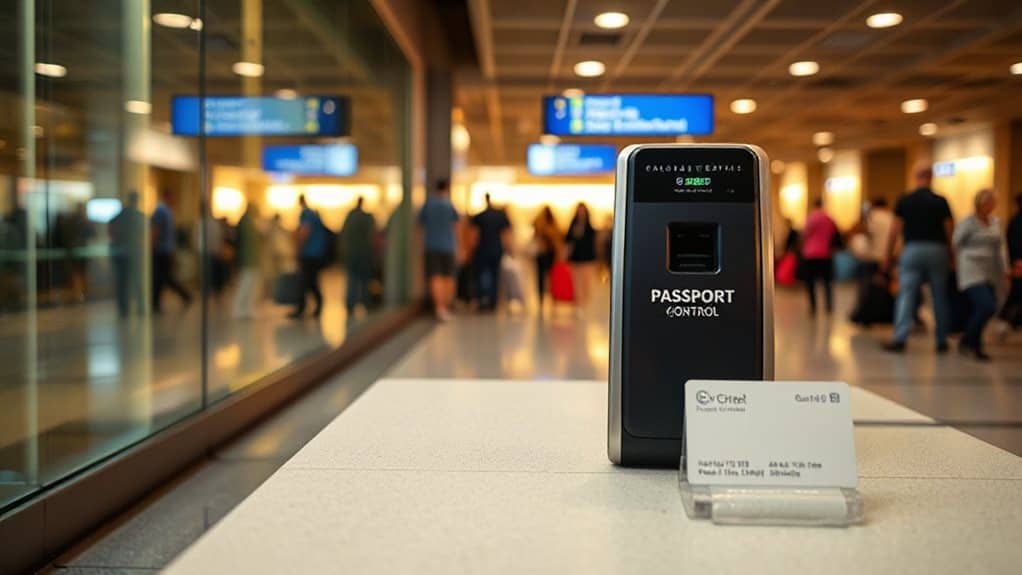
If you travel both internationally and domestically, understanding the distinct advantages of Global Entry and TSA PreCheck can help you choose the right program.
Global Entry, run by CBP, speeds customs clearance and automatically includes TSA PreCheck, letting you keep shoes, belts, laptops and liquids in your bag.
PreCheck, managed by TSA, focuses on domestic security lines, costs slightly less, and requires a simpler enrollment, while still requiring you to follow the 3-1-1 Rule for liquids in your carry-on.
Both demand vetting, offer five‑year memberships, and can be reimbursed via credit cards.
Global Entry Alternatives: NEXUS, SENTRI, FAST
Because many travelers need more than just domestic fast‑track, the U.S. offers NEXUS, SENTRI, and FAST as alternatives.
NEXUS speeds entry into Canada and the U.S., adds TSA PreCheck, and costs less than Global Entry.
SENTRI grants dedicated Mexico lanes, TSA PreCheck, and Global Entry benefits for $122.25.
FAST, free for qualified shippers, accelerates commercial cargo at U.S.‑Canada‑Mexico borders.
Using Juul on planes is prohibited by TSA rules, so it’s smart to double-check how your in-cabin nicotine devices and batteries should be packed before you fly.
Pick the Best Trusted Traveler Program for Your Travel

When you decide which Trusted Traveler program fits your travel habits, start by matching the program’s core benefits to the type of trips you take most often.
Choose TSA PreCheck if you fly only domestically and want quick security without removing shoes or laptops.
Pick Global Entry for frequent international returns, as it adds TSA PreCheck and customs kiosks.
Opt NEXUS if you cross the U.S.–Canada border often, because it bundles both benefits at lower cost.
Delta’s 22x14x9 carry-on rule can also affect how smooth your airport experience feels—so make sure your bag fits the airline’s carry-on dimensions before you go.
Renewal, Fees, and Credit‑Card Reimbursements
You’ll start the renewal by logging into your TTP account, selecting the Renew button, and completing the online form, which can take anywhere from a day to several months to process.
To maximize travel perks, note that many airlines extend TSA PreCheck members with priority boarding benefits.
The $120 fee is non‑refundable, but many premium credit cards—such as Chase, American Express, and Capital One Venture—offer statement credits that fully reimburse the charge.
Keep an eye on your expiration date and the 24‑month grace period so you can submit the renewal early and avoid any lapse in benefits.
Renewal Process Timeline
If you’re within a year of your Global Entry expiration, you can start the renewal process now, and doing so keeps your benefits active until the official expiry date.
Log into your Trusted Traveler Programs account, select renew, update personal details, and pay the $100 fee.
Approval may take days or months; some applicants receive cards within weeks, while others wait up to 24 months.
Interview requests, if any, arrive after submission.
Credit Card Fee Reimbursement
Activate your credit‑card benefit by paying the Global Entry, TSA PreCheck, or NEXUS fee with an eligible issuer, then you’ll receive a statement credit that offsets the cost.
Capital One, Chase Sapphire Reserve, and American Express each grant a $120 credit every four years when you use the designated card for the fee.
The credit posts within two billing cycles, applies to initial and renewal fees, and is limited to one credit per account.
Primary cardholders qualify for Capital One, while Amex allows both primary and authorized users separate credits.
No enrollment is required; just pay with the right card and enjoy the reimbursement.
Three Insider Tips to Ace Your Global Entry Interview

A well‑prepared interview hinges on three insider tips that streamline the process and enhance your chances of approval.
First, organize documents: bring passport, secondary ID, proof of address, and any resident or court papers.
Second, review your application: know recent travel, employment, and any customs issues—including any meds-related disclosures so you don’t get tripped up by legal checks during travel.
Third, anticipate questions about purpose, job, and travel history, answering clearly and confidently.
And Finally
By now you should see how Global Entry streamlines customs, cuts wait times, and pairs well with TSA PreCheck. We’ve compared it to NEXUS, SENTRI, and FAST, so you can match a program to your travel habits and border‑crossing frequency. Remember the key steps: apply online, schedule the interview, and keep your passport handy. Renew before expiration, and check if your credit card reimburses the fee. Follow the interview tips, and you’ll enjoy smoother trips.