
Enroll in TSA PreCheck and keep all metal and bulky items out of your clothing and pockets. Choose metal‑free garments, remove accessories, and empty every pocket before the lane. Request a manual ID verification or a private pat‑down with a witness to opt out of the advanced imaging scan, and carry your TSA PreCheck notification card for any medical accommodations. Use airports and flight times with low traffic, and verify your Known Traveler Number on your boarding pass. Follow these steps and you’ll avoid the standard pat‑down, and the next section shows you more details.
TLDR
- Enroll in TSA PreCheck and keep your membership current to use dedicated lanes that rarely require pat‑downs.
- Wear metal‑free clothing and remove all metal accessories before the checkpoint to prevent additional screening.
- Empty pockets, remove keys, coins, phones, and keep liquids under 3.4 oz in a compliant bag to avoid extra inspection.
- Opt‑out of Advanced Imaging Technology by requesting a manual ID check and, if desired, a private pat‑down with a witness.
- Verify your Known Traveler Number on reservations and boarding passes, and choose airports and flight times with low PreCheck traffic.
Enroll in TSA PreCheck – Your First Line of Defense
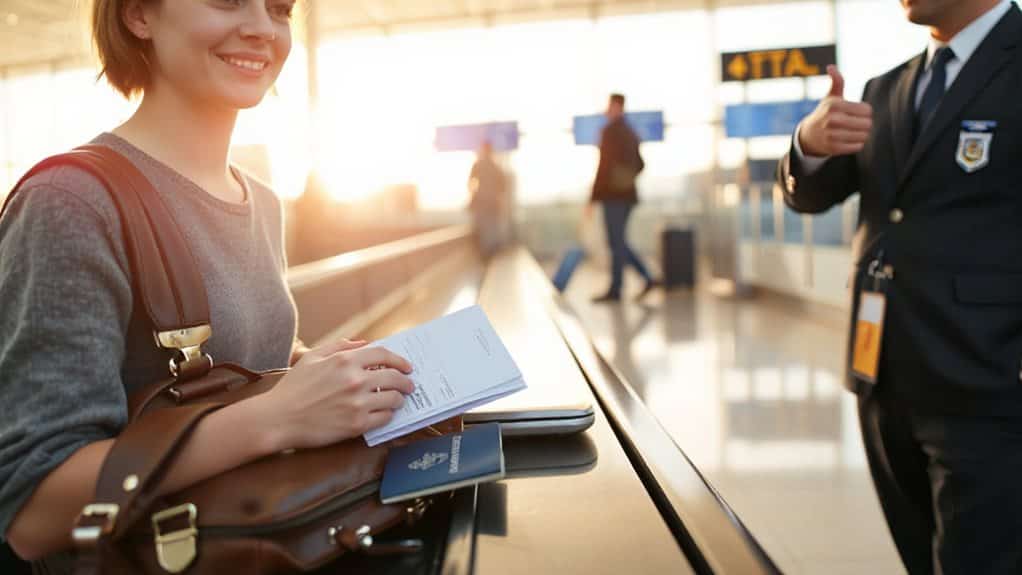
Ever wondered how a simple enrollment can slash your wait time at security? You can join TSA PreCheck for $78, five years, and enjoy lines under 15 minutes even during peak travel. Ninety‑percent of members wait less than ten minutes, cutting stress from 7.4 to 3.5 out of ten. Enrollment is nationwide, works with 90+ airlines, and often’s free through credit cards. This membership saves 15‑20 minutes per screening, giving you predictable, faster travel. Shoe removal was eliminated in standard lanes as of July 8 2025, further streamlining the PreCheck experience. Consider using rideshare apps like Grab to get to quieter terminals and avoid taxi scams on arrival.
Choose Metal‑Free Clothing for TSA PreCheck
Why does metal‑free clothing matter for TSA PreCheck? Metal detectors and body scanners flag pins, bobby pins, and hair barrettes, causing extra inspection and delays.
Choose shirts, pants, and jackets without metal trims or sequins.
Opt for fitted, plain fabrics and avoid bulky, loose garments that hide items.
Removing metal accessories before screening speeds the process and keeps your travel experience free and swift.
Stay alert in transit hubs and secure valuables to reduce the risk of phone snatching and other opportunistic thefts.
Empty All Pockets Before TSA PreCheck Screening
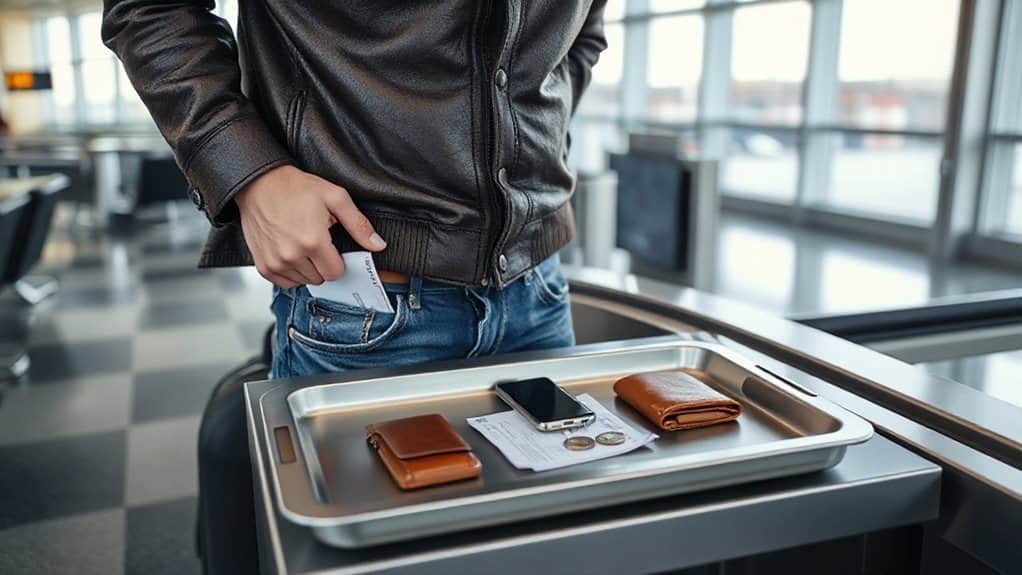
After choosing metal‑free clothing, the next step is to clear every pocket before you step into the TSA PreCheck lane. Remove all items—keys, coins, phones, and any bulky objects—to avoid alarms.
Separate medically necessary liquids over 3.4 ounces and place them aside.
Keep shoes, jacket, and 3‑1‑1 bag on. Present your boarding pass and ID after emptying, then move forward confidently. For better organization of small electronics and cables, store them in a compact travel organizer with double-layer designs for tangle-free separation.
How to Opt‑Out of Advanced Imaging Technology (AIT)
How can you skip the facial‑recognition scan at the security checkpoint? Inform the officer you don’t consent and request manual ID verification. Keep your line position; the officer will match your driver’s license or boarding pass to your appearance. Signage often hides this right, but TSA policy states participation is voluntary and carries no penalty. Opt‑out works in PreCheck lanes too, preserving speed and privacy.
Request a Private Pat‑Down With a Witness at TSA Precheck
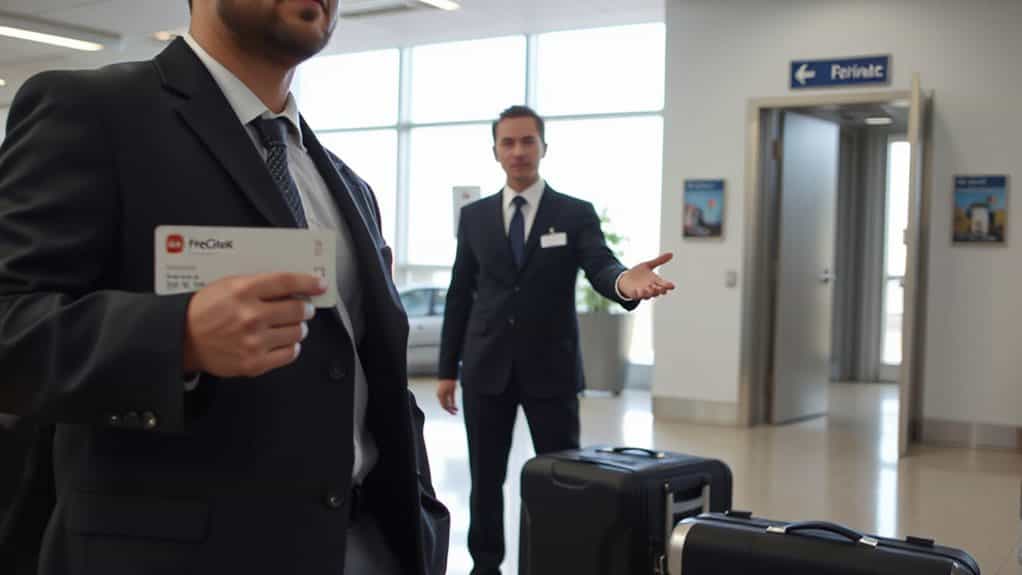
You can ask for a private pat‑down with a witness even while you’re in the TSA PreCheck line, and the process is the same as any other private screening request. Choose the private area when offered, then name one companion as a witness. The agent will verify your stance—legs shoulder‑width, arms raised—before applying firm pressure from head to waist. The witness observes, ensuring transparency, and the screening ends after the waistline check unless an anomaly appears. Note that many travelers to New Zealand from visa‑exempt countries now need to apply for an eTA before departure.
Fill Out a TSA PreCheck Notification Card for Exemptions
You can download the TSA Pre‑Check notification card from the agency’s website, fill in your specific medical condition or device, and print it for the screening line.
The card lets officers know why you might need accommodations, such as keeping a medical device on or handling liquid medication, without exempting you from the overall security process.
When you present the card, it streamlines communication and can help you stay in the faster lane, though a pat‑down may still be required if officers deem it necessary.
For travel that involves checked bags, consider also carrying a compact luggage scale to avoid surprises at the counter and stay within airline limits like 50 kg / 110 lb.
Medical Reasons Card
Ever wondered how a simple card can streamline your airport security experience when you have a medical condition or device?
You download the TSA notification PDF, fill in your condition, disability, or device details, and print it.
Present it at the checkpoint or PreCheck lane.
Officers see your needs instantly, adjust screening, and may reduce contact, but you still undergo required security checks.
Medical Conditions Documentation
How does a TSA PreCheck Notification Card help you get through security when you have a medical condition? You present the card, along with any doctor’s note, before the officer scans you. It flags your disability, lets you keep shoes, belts, laptops and liquids, and signals that you may need a pat‑down only if extra screening triggers. Pair the card with labeled meds, pumps, or syringes for smoother processing.
Pick Airports and Flight Times That Favor TSA PreCheck
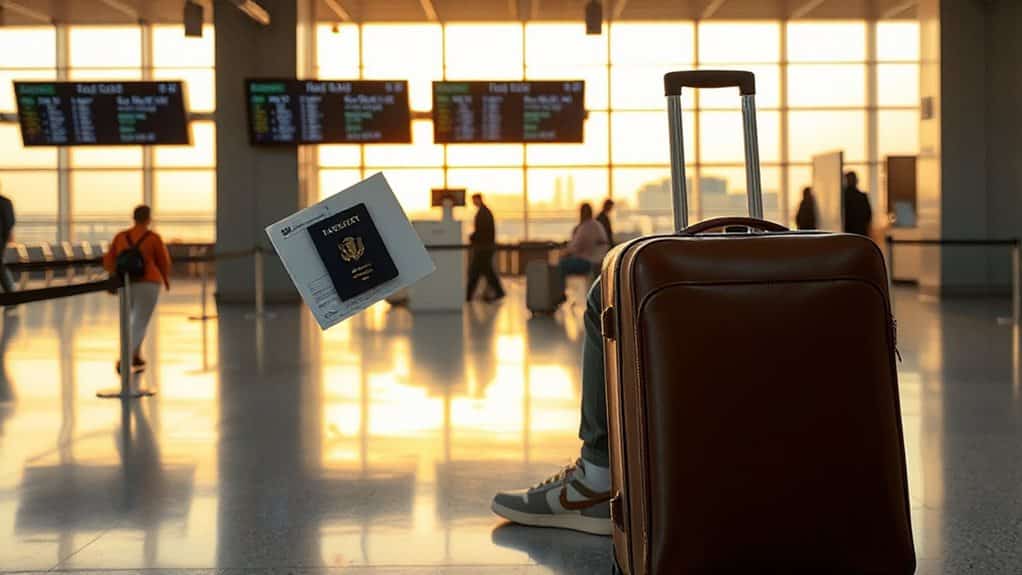
When you choose an airport and flight time that align with TSA PreCheck availability, you dramatically cut wait times and stress. Pick any of the 200+ U.S. airports with dedicated PreCheck lanes, especially early‑morning or late‑evening departures. Those slots keep queues under ten minutes, even during holidays. Consistent, nationwide screening lets you glide through security, preserving freedom and reducing travel anxiety. Increasing legroom and pitch on longer flights also reduces travel fatigue and helps you stay comfortable after expedited security.
Use Automated PreCheck Lanes to Skip Full‑Body Scanners
When you’re enrolled in TSA PreCheck, you can line up at the automated lanes where CT scanners create 3‑D images of your carry‑on, letting officers rotate the view on a touchscreen. These lanes bypass the full‑body scanners entirely, so you won’t be subject to the usual pat‑down risk that standard lanes impose. Because the system processes passengers twice as fast, you’ll typically clear security in under ten minutes.
Lined Precheck Lanes
Ever wondered how you can breeze past the full‑body scanners at DFW? Use the lined PreCheck lanes at A21, D18, D22, D30, and E18. Add your Known Traveler Number to your reservation, scan your boarding pass, and the facial‑scan ID verifies you. No shoes, laptops, or liquids need removal, and you’ll skip the full‑body scanner entirely.
Skip Full‑Body Scanners
Can you skip the full‑body scanners at the airport? Enroll in TSA PreCheck and use automated lanes that replace advanced imaging with metal detectors. You’ll keep shoes, belts, and light jackets on, and you won’t need to unload liquids or electronics. Over 200 airports offer these lanes, and approval typically arrives in 3‑5 days.
Renewal costs $58.75‑$79.95 for five years, far cheaper than CLEAR+.
Stay Calm and Follow Officer Instructions During TSA PreCheck

What should you expect if a TSA officer asks you to pause during a PreCheck screening? You’ll stay calm, listen, and follow instructions promptly. The officer may request a brief pat‑down, and a same‑gender staff member will conduct it. If you have sensitivities, notify them; you can ask for a private area with a companion present. Compliance speeds the process and respects your freedom.
Practice TSA Precheck “What‑If” Scenarios With Kids
When you’ve already practiced staying calm and following officer instructions, the next step is to rehearse common “what‑if” situations that can arise with children under 12 at TSA PreCheck.
Simulate a metal‑detector alarm, then walk through the detector again; practice a wand‑based explosives trace check after multiple passes; role‑play a limited pat‑down if an anomaly appears; and rehearse opting out of AIT, knowing a thorough pat‑down replaces it.
This builds confidence and speeds the process.
And Finally
By following these steps you’ll minimize the chance of a pat‑down and keep your travel experience smooth. Enroll in TSA PreCheck, dress metal‑free, clear pockets, and know how to request a private screening if needed. Choose airports and times that favor PreCheck lanes, stay calm, and follow officers’ directions. Practicing scenarios with kids can further reduce surprises, ensuring you and your family move through security efficiently.