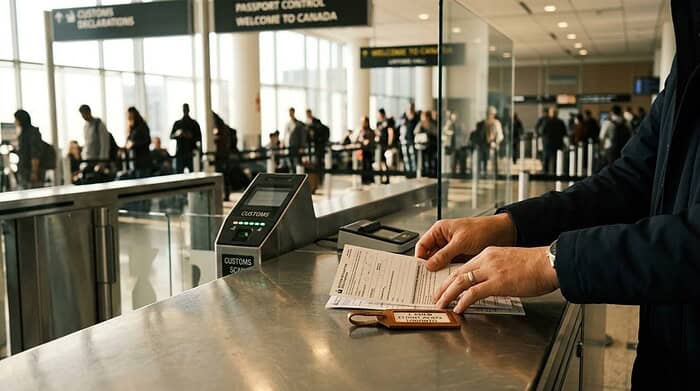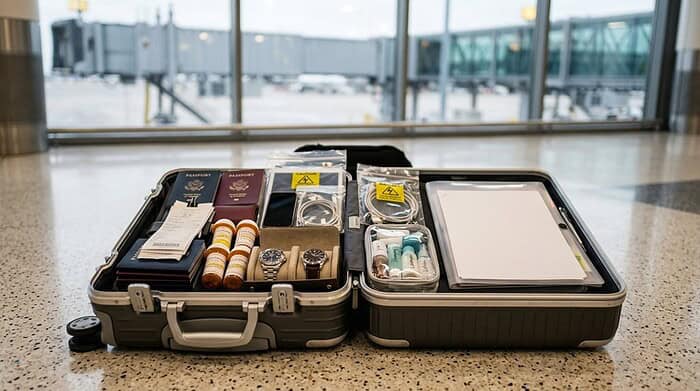
First, check the destination’s import permits, advance‑notification rules, and any required licenses; most countries demand an ISO‑standard microchip and a recent rabies vaccine. Register the chip, then schedule the rabies shot and, if needed, a blood‑titer test at least 30 days later. Obtain a USDA‑endorsed International Health Certificate using Form 7001 and have it endorsed before travel. Choose an airline that meets your pet’s size, confirming carrier dimensions (≈18×11×11 in for soft carriers) and weight limits (15–20 lb in‑cabin or cargo options for larger dogs). Pack the microchip record, rabies certificate, health certificate dated within ten days, and any medication, then present all documents at check‑in and upon arrival. Follow post‑travel health monitoring and keep paperwork updated for future trips, and the next sections will guide you through each step in detail.
TLDR
- Secure destination‑specific import permits, advance notifications, and licenses weeks to months before travel; ensure the pet’s microchip meets ISO standards.
- Choose an airline that permits pets, confirm in‑cabin weight limits (15–20 lb) and carrier dimensions (≈18×11×11 in soft, ≤19×13×9 in hard); consider cargo for larger dogs.
- Implant an ISO‑compliant 15‑digit microchip, vaccinate for rabies, and schedule any required blood‑titer test at least 30 days post‑vaccination.
- Obtain a USDA‑endorsed International Health Certificate (Form 7001) after all vaccinations and tests, sign in blue ink, and upload for APHIS review.
- Pack the pet’s microchip record, rabies certificate, health certificate dated within ten days, and any CDC forms; present all documents at arrival and monitor pet’s health post‑travel.
Identify Destination Pet‑Travel Requirements

What you need to know first are the specific entry requirements each country imposes on pets. You’ll need an import permit from Australia’s Department of Agriculture, advance notification from Japan’s Quarantine Service, and a license from Singapore’s Veterinary Service. Emirates also demands a permit plus microchip and vaccines. Permits outline conditions and must be secured weeks or months ahead for strict destinations. Microchip identification must be ISO‑standard compliant to be recognized internationally. Airlines also factor in route-specific fees and competing carrier policies when setting pet-transport availability and charges.
Schedule Travel‑Related Microchip, Rabies Vaccination, and Blood Tests
When planning international travel with your pet, you must first map out the timeline for microchip implantation, rabies vaccination, and any required blood‑titer tests.
Schedule a USDA‑accredited vet immediately, implant an ISO‑compliant 15‑digit microchip, then vaccinate once the chip registers.
If your destination demands a titer, book the blood test at least 30 days after vaccination.
Verify chip readability, update the database, and keep all certificates handy for border checks.
Consider timing around local weather and timing to ensure vaccinations and travel occur during more comfortable conditions.
Obtain and USDA‑Endorse the International Health Certificate
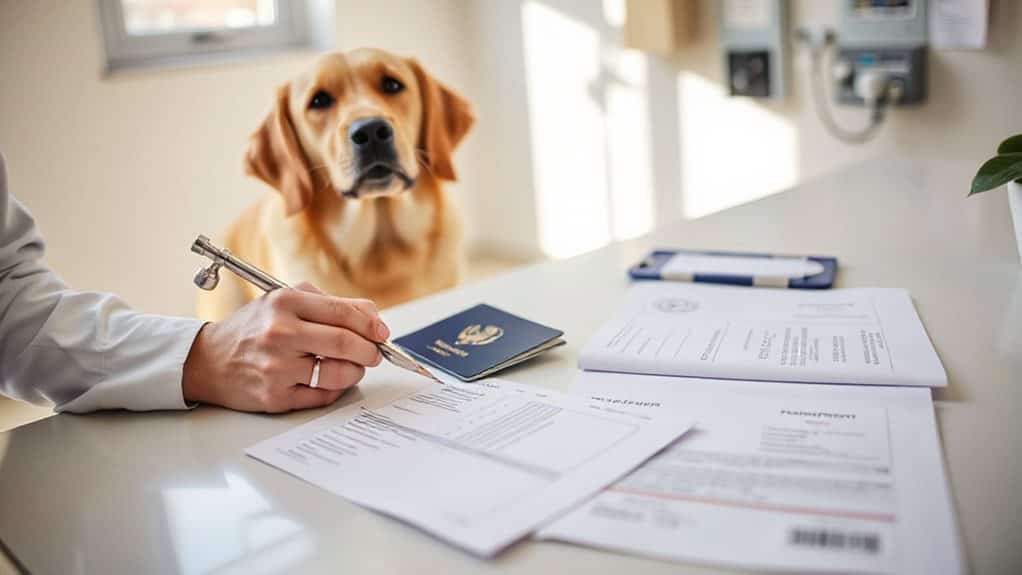
After you’ve secured the microchip, rabies shot, and any required blood‑titer results, the next step is to obtain a USDA‑endorsed International Health Certificate (IHC). Download Form 7001, schedule a pre‑travel exam with a USDA‑accredited vet, and ensure all vaccines and tests meet the destination’s rules. Sign the form in blue ink, upload documents to VEHCS, and submit for APHIS review. Allow time for the $38‑plus endorsement and any additional country‑specific statements. Nha Trang’s Vinpearl Amusement Park on Hon Tre island is a popular full-day destination with an aquarium and motorized tunnel walkway.
Choose an Airline, Carrier, and Cargo Option That Fits Your Pet’s Size and Route
How you choose an airline, carrier, and cargo option depends on your pet’s size, weight, and the route you’ll take. Check in‑cabin limits—usually 15‑20 lb combined, with 18×11×11 in soft carriers or hard carriers under 19×13×9 in.
For larger dogs, compare cargo and checked‑baggage allowances, noting weight caps (100‑150 lb) and airline‑specific kennel dimensions. Verify breed, age, and seasonal restrictions before booking.
Final Checklist: Packing, Departure, Arrival, and Post‑Travel Tasks
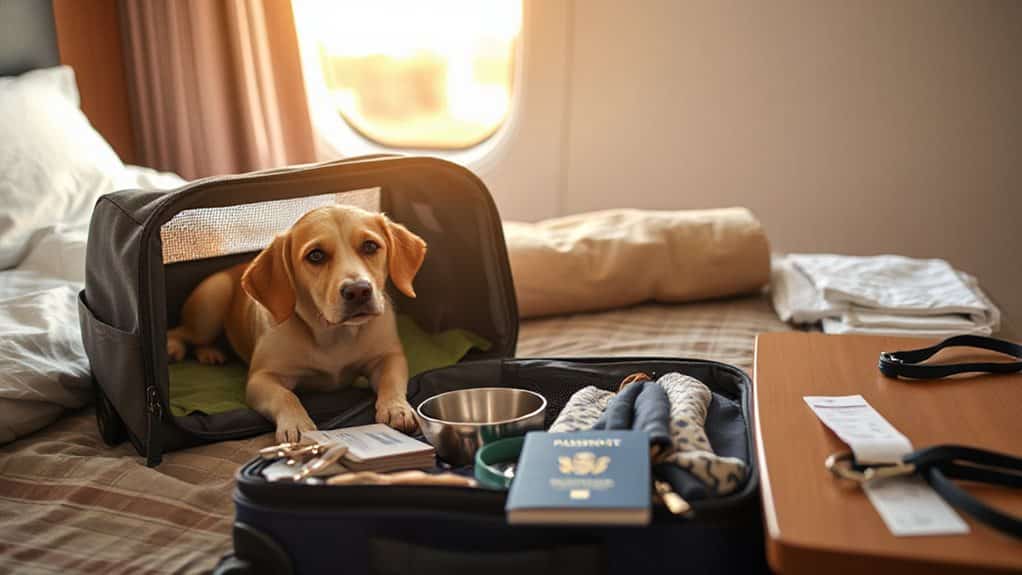
Choosing the right carrier and airline sets the stage, but the next step is a thorough checklist that covers packing, departure, arrival, and post‑travel responsibilities. Pack your pet’s ISO‑compliant microchip info, up‑to‑date rabies certificate, health certificate dated within ten days, medication surplus, and multiple record copies. Verify USDA endorsement, complete CDC forms, secure acclimation certificates, and confirm health at departure. Present all documents, meet age limits, and follow arrival protocols. After landing, monitor health, keep paperwork, and update records for future trips. Also, be prepared that security officials may require certain items to be placed in checked baggage or confiscate them at the checkpoint.
And Finally
By following the steps outlined—checking destination rules, completing microchip and vaccination requirements, securing a USDA‑endorsed health certificate, and selecting an appropriate airline and carrier—you’ll ensure a smooth, compliant journey for your pet. Double‑check paperwork, pack essentials, and arrive early to allow time for inspections. After arrival, confirm your pet’s health and documentation with local authorities. This systematic approach minimizes delays and keeps both you and your pet safe throughout international travel.