
Check your airline’s baggage fees and keep each bag under 50 lb and 62 linear inches to avoid $100‑$200 surcharges; use personal‑item and carry‑on allowances whenever possible. Verify passport expiration (usually six months) and any visa or health entry requirements before booking. Arrive three hours early for international flights, two for domestic, and complete online check‑in to save time. Choose layovers with at least 60‑90 minutes domestically and 150‑180 minutes internationally, and know the airline’s 24‑hour cancellation policy. Pack a sleep mask, earplugs, neck pillow, and compression socks for comfort, and bring small cash amounts while avoiding airport kiosks. Follow liquid limits (100 ml per container, 1 L total) and respect cultural norms like shoe removal in Japan. Continue for more tips on managing cash, rides, and missed connections.
TLDR
- Over‑packing bags, exceeding weight (≈50 lb) or size (≤62 in) limits, leading to $100‑$200 fees.
- Ignoring passport and visa requirements, such as six‑month validity or Schengen three‑month rule, causing entry denial.
- Arriving late to the airport; missing the recommended 2‑hour (domestic) or 3‑hour (international) arrival window.
- Selecting tight layovers without accounting for security, customs, or minimum connection times, risking missed connections.
- Forgetting in‑flight comfort items and cultural etiquette, resulting in discomfort and inadvertent offense.
Pack Luggage Correctly to Dodge Overweight Travel Mistakes
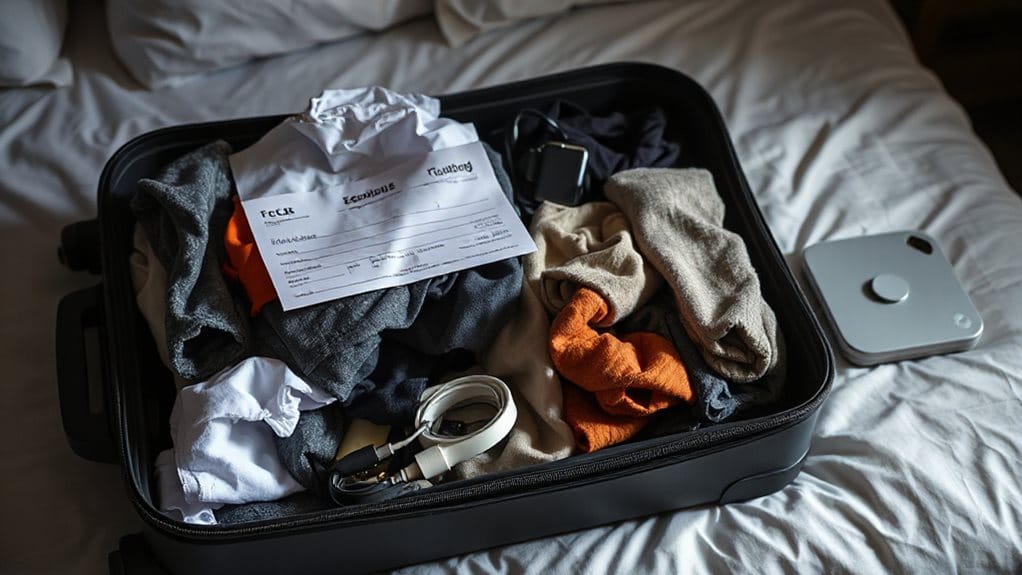
When you pack your luggage, start by checking the airline’s baggage‑fee schedule so you know exactly how much a checked bag will cost.
Aim for 50‑pound limits; heavier bags trigger $100‑$200 fees.
Keep dimensions under 62 linear inches to avoid $30‑$200 surcharges.
Use free allowances—personal item, carry‑on, and, for Southwest, two checked bags—to stay within budget and preserve travel freedom.
Also remember that some airlines use weight-based fees that kick in when you exceed the standard maximum.
Verify Passports, Visas, and Health Requirements Before Flying
Before you book, double‑check that your passport won’t expire within the required window—many countries need at least six months of validity, and some children’s passports are only good for five years. Passport book number is shown on the passport’s personal information (data) page under the “Passport No.” label, often in the top-right corner. Verify whether your destination asks for a visa or electronic travel authorization, and apply early enough to avoid last‑minute delays. Also, review any health or vaccine mandates and make sure you have enough blank pages for entry stamps.
Passport Expiration Check
How long your passport must remain valid can make or break your trip, so double‑checking the expiration date is essential before you book anything else. Most countries need at least six months, especially China, India, and Saudi Arabia; the Schengen Zone often requires three months.
Verify your passport’s condition, note U.S. adult ten‑year validity, and renew early if it falls short. This prevents boarding denial and travel delays.
Visa Requirement Confirmation
If you skip confirming visa, passport, and health entry requirements, your trip can stall at the gate.
Check the U.S. State Department site for visa‑free limits, electronic authorizations, and country‑specific rules.
Verify vaccine mandates, insurance proof, and medication restrictions.
Contact the destination embassy for the latest guidance, make sure your passport has blank pages, and carry proof of funds and onward travel.
This prevents last‑minute surprises.
Check In Online and Arrive Early for a Smooth Airport Experience
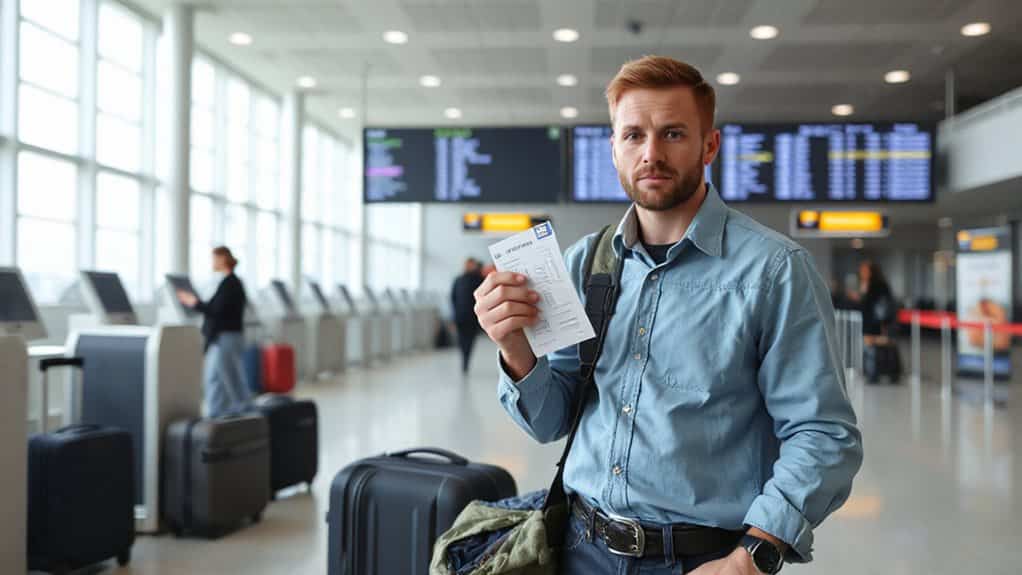
Checking in online and arriving early are the two most reliable ways to keep your airport experience smooth and stress‑free. Online check‑in cuts wait times, lets you pick seats, and avoids the 50% desk crowd. Also, travelers who hold TSA PreCheck typically experience a faster security process and can be less likely to face the standard pat‑down.
Arrive three hours before international, two hours before domestic flights, adding extra minutes during peak periods. This routine secures your spot, reduces stress, and preserves freedom to enjoy your trip.
Choose Flights and Layovers With Safe Connection Times
When you pick flights, make sure the layover gives you enough time to move between gates, clear security, and handle any customs or immigration steps. Aim for at least 60–90 minutes for domestic connections and 150–180 minutes for international ones, especially at busy hubs like JFK or LAX. Minimum connection times can vary by airport and even by the type of ticket or itinerary, so confirm the official requirement before booking. Check airport‑specific Minimum Connection Times, consider seat location, and give yourself a safety buffer to avoid rushed transfers.
Handle Missed Connections and Rebook Quickly
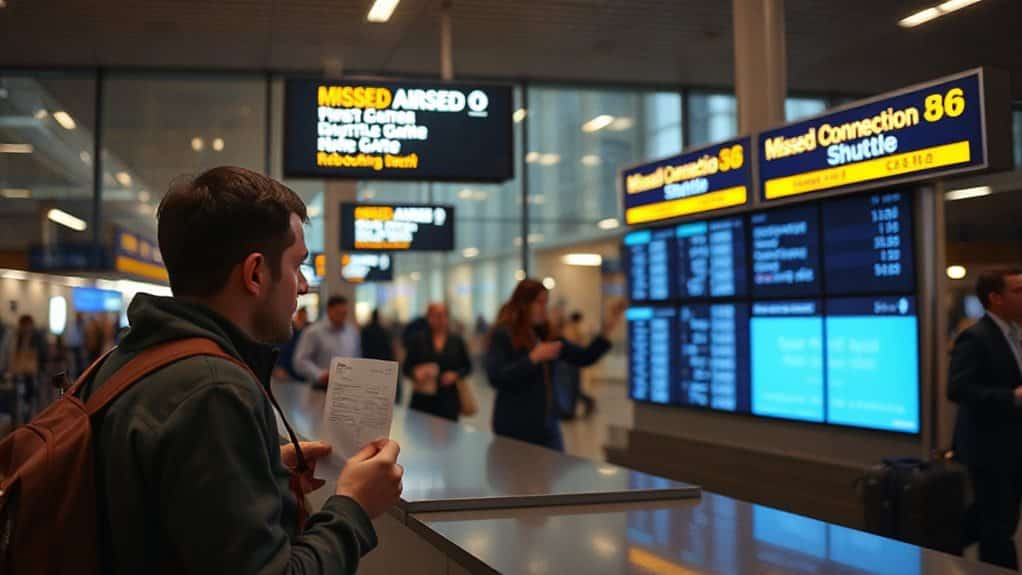
When your connection is missed, you should act immediately and rebook through the airline’s app, which often offers the fastest next‑available options. The app lets you secure an alternate flight or even a different carrier if the original airline can’t accommodate you within the same day. Before you finalize anything, check whether a refundable or flexible fare qualifies for the 24‑hour cancellation rule so you can rebook a cheaper option quickly if prices drop.
Act Immediate Rebook
If your flight is delayed and you miss your connection, the airline that caused the delay bears primary responsibility for rebooking you, regardless of which carrier issued your ticket.
Gather your booking reference, ID, and flight details, then search for alternate flights before calling.
Contact the responsible airline via phone, desk, or social media; they must secure a seat on the next available service, respecting load‑factor and network frequency.
Act fast to keep your travel plans on track.
Use Airline Apps
Although you might think you need to call the airline, the app on your phone often handles missed connections faster than any phone line.
Push notifications appear instantly, showing gate changes, delays, and rebooking links without pause.
You can view boarding passes, baggage status, and airport maps in one place.
Direct rebooking options and AI‑driven suggestions let you secure a new flight within seconds, preserving your travel freedom.
Secure Alternate Transport
On the spot you uncover a missed connection, act fast and contact the airline through the method that reaches them quickest—phone, text, or an airport desk.
Give flight numbers, request the next same‑cabin seat, and note the agent’s name and reissue code.
If the airline’s at fault, they’ll rebook you free; otherwise, expect a fee or fare difference.
Check luggage status and consider partner airlines for standby options.
Prepare In‑Flight Comfort Essentials to Beat Jet Lag
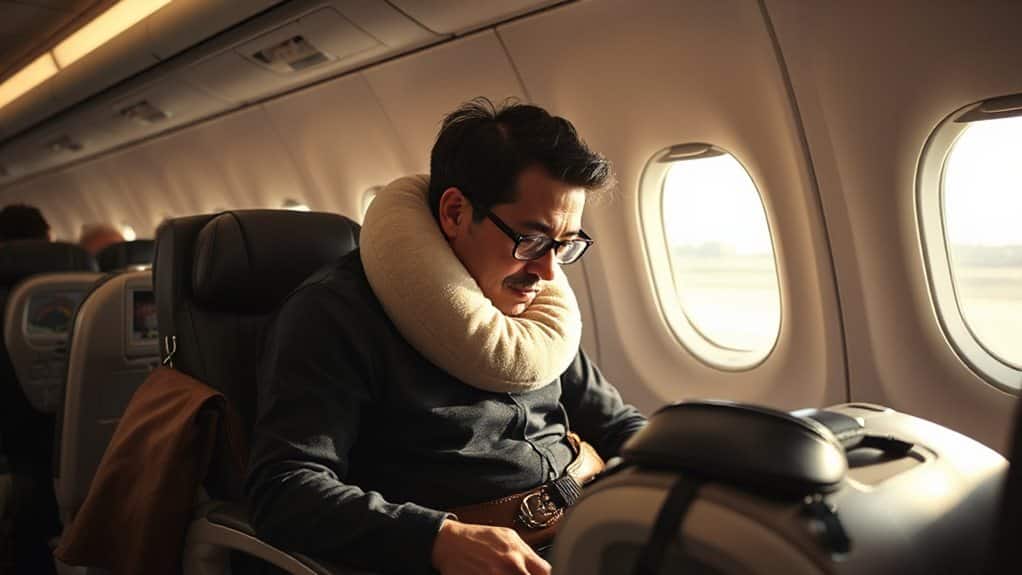
When you board a long‑haul flight, packing the right comfort essentials can dramatically reduce jet lag and improve rest.
Bring a silk sleep mask with an adjustable front panel, earplugs, and noise‑cancelling headphones to block cabin noise.
Add a memory‑foam neck pillow or inflatable version for support, and wear compression socks with a cashmere shawl for circulation and warmth.
Include melatonin gummies and a footrest for extra sleep aid.
To further minimize jet lag, time in-flight sleep should match the destination’s night so you only sleep during those hours even on long flights.
Smart Ways to Manage Cash, Exchange, and Airport Rides
How can you keep your travel budget under control while maneuvering cash, currency exchange, and airport rides?
Research rates before you leave, then withdraw small amounts as needed to avoid bad conversion fees.
Skip airport kiosks; use banks or online services for better rates.
Pack snacks and a reusable water bottle to dodge pricey food.
Compare rideshare estimates, public transit, and bike options, and travel light to stay mobile without costly taxis.
Carry‑On Liquid Rules You Must Follow
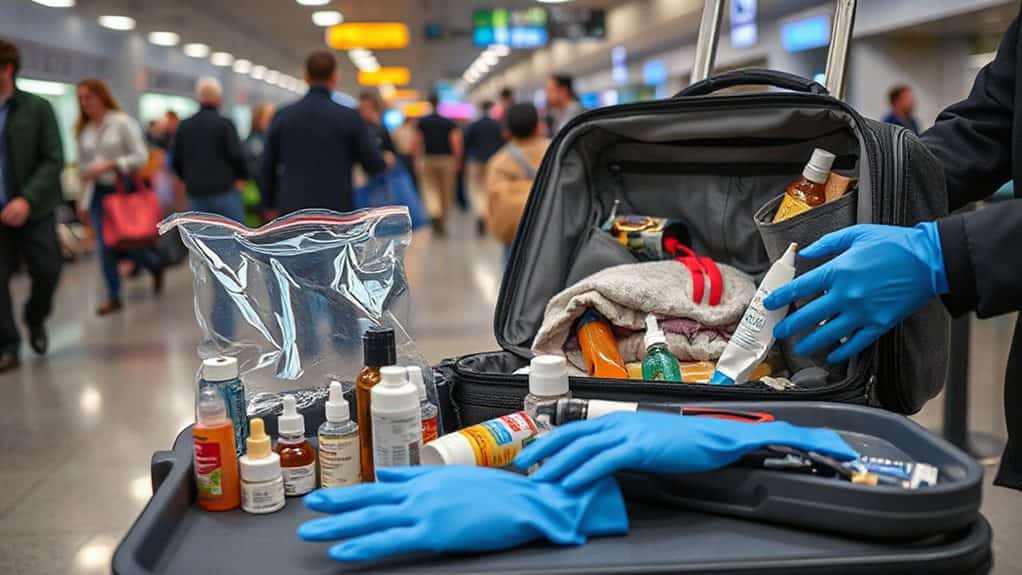
If you’re packing a carry‑on, you must follow the 3‑1‑1 rule that governs every U.S. airport in 2026.
Each container may hold no more than 3.4 ounces (100 ml), and all must fit inside one clear quart‑sized bag, one bag per passenger.
Liquids, gels, aerosols, creams, and pastes count, even partially filled items.
Place the bag for for screening; larger items go in checked luggage.
Common Cultural Mistakes and How to Avoid Them
Ever notice how a simple cultural faux pas can turn a smooth trip into an awkward encounter?
In Japan, remove shoes before entering homes, temples, or ryokans, and keep socks clean.
In South Korea, avoid tipping; pay the exact bill.
Use your right hand for food and gifts in the Middle East.
In Thailand, don’t point with a finger; use an open hand.
Queue politely in the UK.
And Finally
By packing wisely, checking documents early, and arriving on time, you’ll dodge common travel pitfalls. Choose flights with comfortable layovers, and be ready to rebook if a connection is missed. Bring in‑flight comforts and follow liquid limits to stay comfortable on board. Manage cash, currency exchange, and transport with smart planning, and respect local customs to avoid cultural missteps. Following these precise steps keeps your trip smooth, efficient, and stress‑free.