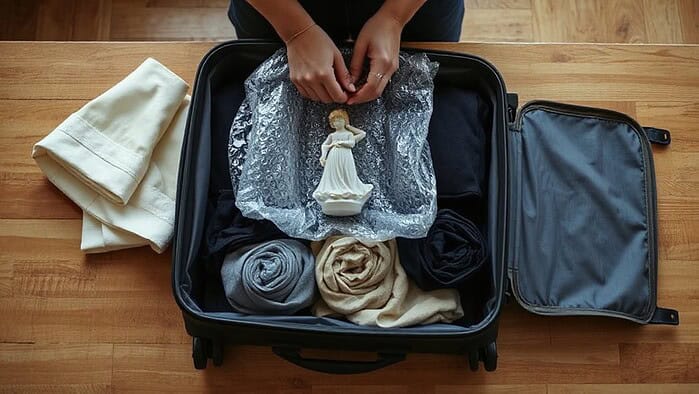
You can buy alcohol, tobacco, perfume, and luxury goods in airport duty‑free zones without VAT or import duties, but only if you’re an international traveler who’s cleared immigration and shows a boarding pass and passport. Savings depend on your destination’s limits—U.S. allowances range from $200 to $1,600, and liquor can be 15‑30 % cheaper, while cigarettes may be half the price. Stay within baggage rules (up to 5 L of spirits in checked bags) and avoid overspending, or fees will erase the benefit. Continue for detailed tips on eligibility, savings, and common pitfalls.
TLDR
- Duty‑free saves mainly on heavily taxed items like premium alcohol and tobacco, often 15‑30% cheaper than domestic prices.
- Savings depend on your destination’s import allowances; exceeding limits triggers duties that can erase discounts.
- Liquids over 24 % ABV are limited to 5 L total in checked baggage, and high‑ABV spirits are prohibited.
- Overspending or exceeding airline baggage weight can incur fees that outweigh any price advantage.
- The best value comes from planning purchases within legal caps, comparing brand‑for‑brand prices, and using airports with strong duty‑free selections.
What Duty‑Free Really Means and Who Can Use It?
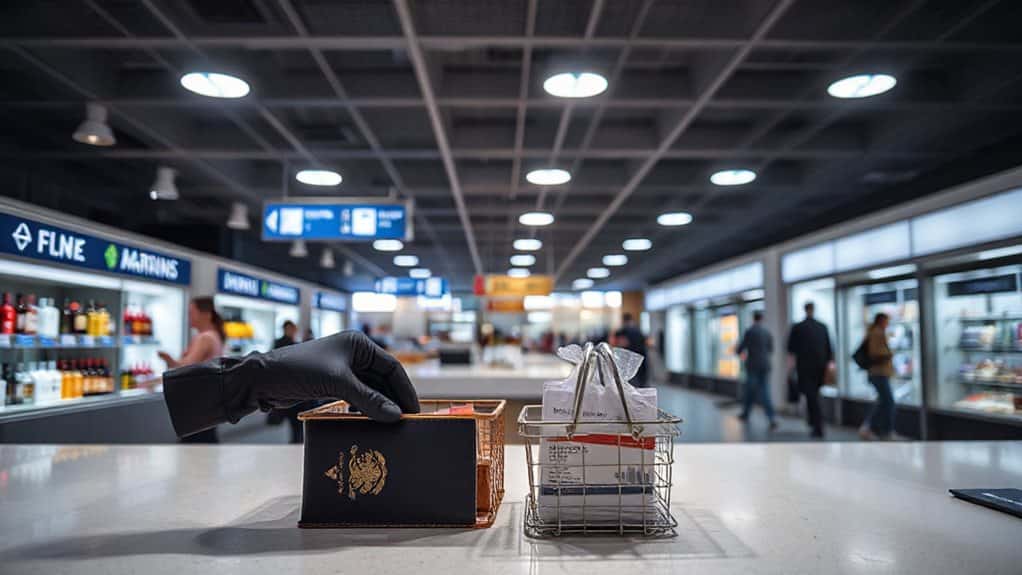
Because the term “duty‑free” can sound vague, it’s worth breaking down exactly what it means and who’s allowed to shop there.
You buy goods without added VAT or import duties, typically in airport transit zones, cruise ships, or seaports.
Only international travelers who’ve passed immigration and show a boarding pass and passport can shop.
Purchases must comply with destination import limits and baggage rules. Duty‑free shops are defined by the Cambridge Business English Dictionary as stores that sell goods without charging the tax normally added to their price.
Airport security and immigration procedures may still apply if you’re trying to leave the transit area during your stopover, which can affect what’s possible before you return to your gate.
Should You Grab Duty‑Free Items on This Trip? A Quick Checklist?
If you’re wondering whether to add duty‑free items to your luggage, start by checking the regulations of both your departure and arrival countries.
Verify U.S. allowances—$200, $800, or $1,600—depending on destination, and note limits for alcohol, cigarettes, cigars, and tobacco.
Stay within legal caps to dodge fees, and remember some airports only permit duty‑free purchases on foreign departures.
Duty-free limits and category caps can affect what you’re allowed to bring back, even if you purchased the items in the airport.
Use this quick checklist to decide if you’ll stock up or pass.
How Much Can You Actually Save on Popular Items?
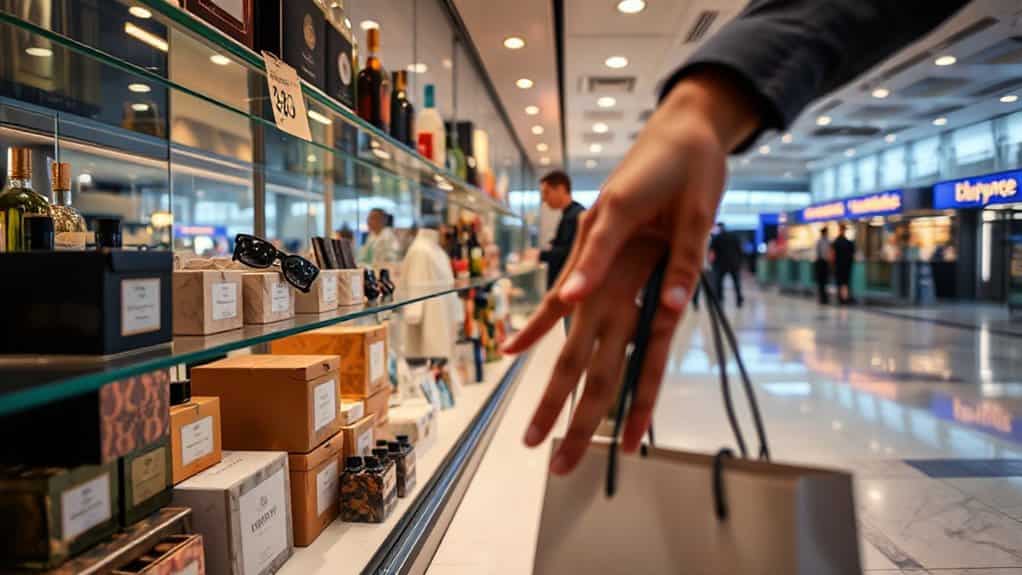
You’ll notice that alcohol often shows a price gap of 15‑30% between duty‑free and local stores, especially for premium spirits and wines.
Tobacco products can be even cheaper, with tax exemptions cutting the cost by up to half compared with domestic prices.
These savings become more pronounced when you compare the same brand and volume across both markets.
If you’re also traveling with small LED lighting items you plan to use for an event or personal setup, it can help to know that TSA lithium rules may apply only if any batteries are removable.
Alcohol Price Gaps
When you compare duty‑free shelves with regular retail, the price gaps for popular spirits become surprisingly narrow. Grey Goose costs $41.50 per liter duty‑free versus $33 retail, a loss after taxes. Absolut is $23 duty‑free, barely cheaper than U.S. stores, but three bottles for $46 shows bulk value. Jack Daniels matches Florida retail, while Asian hubs vary: Singapore offers $36.93 for Johnnie Walker Black, Hong Kong $38, Bangkok $43, and Delhi drops to $34 with multi‑bottle deals.
Tobacco Tax Savings
The price gap you saw with spirits narrows even more when you look at tobacco, because duty‑free shops completely bypass the hefty excise taxes that states levy on cigarettes and smokeless products.
You can shave $3‑$5 off a pack, saving roughly 30‑40 % versus mainland prices.
Hawaii, Maine, and Washington taxes illustrate the steep domestic rates, which duty‑free eliminates, letting you enjoy the same brand for far less.
Which Duty‑Free Items Deliver the Biggest Savings?
Which duty‑free items give you the biggest bang for your buck? Alcohol tops the list, especially heavily taxed whiskies and liqueurs, where you can shave $4‑plus off a six‑pack of lager and enjoy up to 30% off premium bottles. Tobacco follows, with cigarettes in Dubai costing a third of Heathrow prices. Luxury goods and perfume also save you 8‑27% VAT, but alcohol and tobacco deliver the deepest discounts. When packing liquids after duty‑free shopping, remember that alcohol between 24–70% ABV is limited to 5 liters per person in checked baggage and spirits over 70% ABV are not allowed.
Where to Find the Best Duty‑Free Shops and What They Stock?
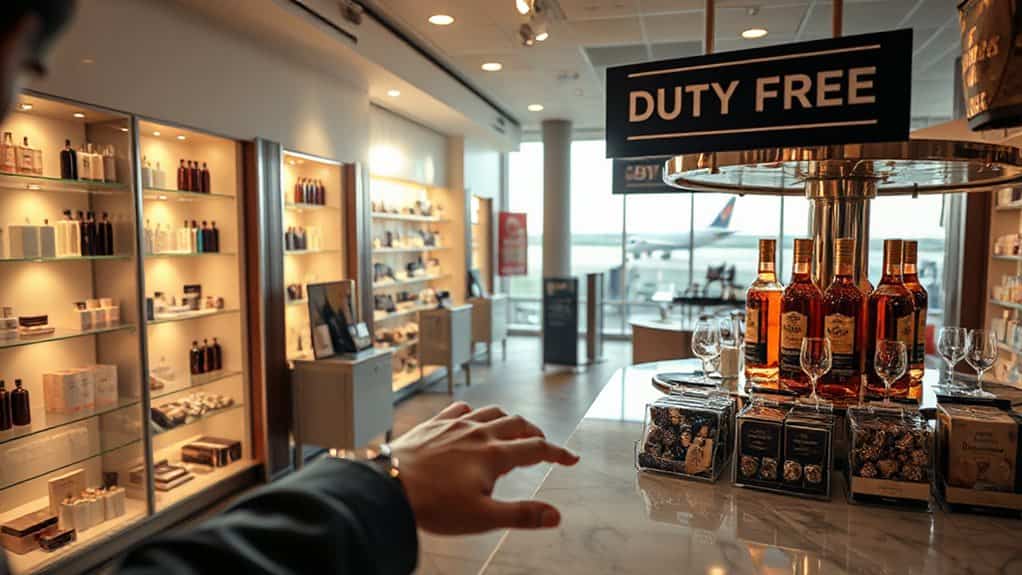
You’ve already seen which duty‑free items give the biggest savings, so let’s look at where you can actually find those bargains and what each shop typically offers.
In Singapore Changi, Hong Kong, and Incheon you’ll find extensive liquor, tobacco, beauty, and luxury selections.
Dubai excels in gold, perfume, and designer fashion, while Doha, Heathrow, and Paris showcase high‑end brands.
Asian hubs dominate cheap cigarettes, and U.S. airports lead in makeup, fragrance, and domestic alcohol deals.
Duty‑free areas are also where you may see nicotine pouches like Zyn stocked, since they’re generally treated as smoke-free products by TSA and can be carried in either carry-on or checked luggage under TSA rules.
How to Avoid Common Pitfalls Like Overspending and Luggage Limits?
Before you step into the duty‑free area, set a firm spending limit based on your budget and the average airport spend of £60–£94. Then, check your airline’s luggage weight regulations and any customs exemptions, because exceeding them can add fees that erase any savings. Also, be mindful of baggage fee rules—baggage fee dodging can backfire and cost you more if it violates airline or customs requirements.
Set Your Spending Limit
Set a clear spending limit before you step into the duty‑free area to keep overspending and luggage issues in check.
Calculate your total budget, including possible tariffs—$50 overseas items may rise to $70+.
Respect per‑item caps: $80, $160, or $200 depending on the country’s IEEPA rate.
Stick to personal‑use quantities, verify departure proof, and avoid resale intent to stay within limits.
Check Luggage Weight Regulations
When you step into the duty‑free area, the first thing to check is how much weight your airline allows for both carry‑on and checked bags, because exceeding those limits can trigger costly fees and force you to repack at the gate.
Know that most carriers cap carry‑on at 22 lb (10 kg), while checked limits range from 50 lb to 70 lb, with fees beyond. We. certain airlines,., and and,, and,,). exceed, and 50 lb.
Use a scale before boarding, pack smart, and keep duty‑free liquids in tamper‑evident bags to stay within limits.
And Finally
In the end, duty‑free shopping can be worthwhile if you target high‑tax items, stay within your luggage limits, and compare prices before you travel. Use the checklist to verify eligibility, avoid impulse buys, and factor in any fees or restrictions. Remember that savings vary by product and location, so doing a quick price check at home can prevent overspending. By planning ahead, you’ll maximize benefits while minimizing the risk of unnecessary costs.