
Enter your full name, birthdate, nationality, passport number, issue place, and expiration exactly as they appear on your passport, and confirm the passport is valid for at least six months. Add the visa type or I‑20/DS‑2019 if required, then input your flight number, purpose of visit, intended stay length, entry city, and destination address. Double‑check every field, use “N/A” for non‑applicable items, and verify the QR code or confirmation email before you reach the checkpoint; the next steps will show how to avoid common errors and troubleshoot submission issues.
TLDR
- Verify passport validity (≥ 6 months) and match name, birthdate, and passport number exactly to the document.
- Complete all required fields, entering “N/A” for any optional items that do not apply.
- Double‑check flight details, purpose of visit, and intended address for consistency before submitting.
- Submit the online form within 72 hours of departure and ensure the generated QR code displays correctly.
- If errors occur (e.g., HTTP 429), refresh, clear cache, re‑enter data, and retry the submission.
Identify Arrival‑Card Types and When They’re Required
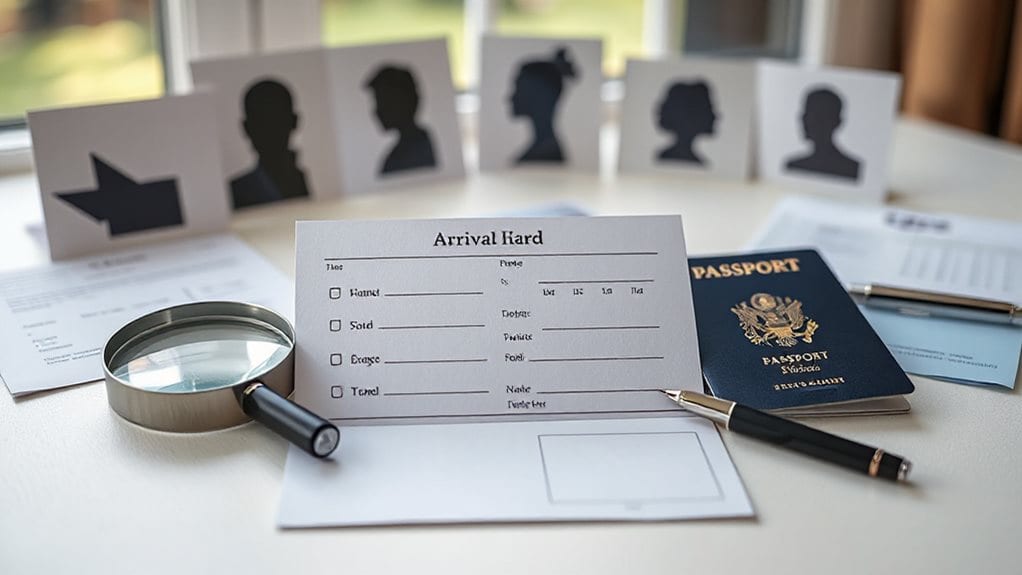
An arrival card is a short immigration form—often called an incoming passenger card, landing card, or disembarkation card—that you must submit when you enter a country.
You’ll encounter paper cards handed out on flights or at borders, and digital versions that generate QR codes.
Thailand, Singapore, Malaysia, Australia, and South Korea all require them, sometimes per passenger, sometimes per family.
Digital systems are replacing paper in many places. Digital arrival cards are now completed online before travel in several of these nations.
Gather Essential Travel and Personal Information
Often the first step in completing an arrival card is to gather all required travel and personal details before you even open the form. Collect your full name, nationality, birthdate, passport number, issue place and expiration.
Verify passport validity for at least six months, note visa type or I‑20/DS‑2019 if needed, and keep flight number, purpose, stay duration, entry city, and destination address ready.
Submit Online Arrival Cards for Thailand, Singapore, Malaysia, NZ & AU
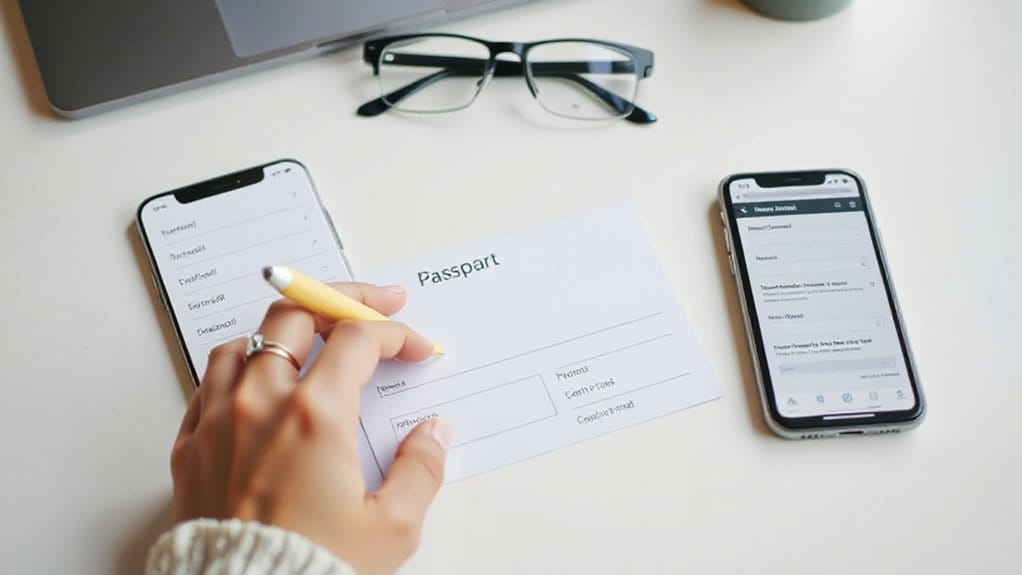
When you travel to Thailand, Singapore, Malaysia, New Zealand or Australia, you can skip the paper form and submit the arrival card online before you land.
Access each country’s portal—TDAC, SGAC, MDAC, NZeTA, or Australia’s IPC—via phone or laptop, fill passport, flight,,, health details, then, and and or save. QR code.
All submissions are free except New Zealand’s fee, and confirmation arrives instantly. TDAC 72 hours in advance helps you avoid Bangkok delays by submitting at least 72 hours before arrival.
Double‑Check Arrival‑Card Fields to Avoid Delays
If you skip the final double‑check, a tiny mistake can turn a smooth entry into a costly delay.
Review every field, even those that seem optional, and write “N/A” when nothing applies.
Match your name, birthdate, and passport number exactly to your documents.
Verify dates, fees, and supporting papers are current and consistent.
A quick, thorough scan prevents rejections and keeps your travel freedom intact.
Also, remember that TSA liquid tea limits may affect how your tea items can be carried, so ensure your travel plans align with the rules before arrival.
Verify QR Code or Confirmation Email for Immigration
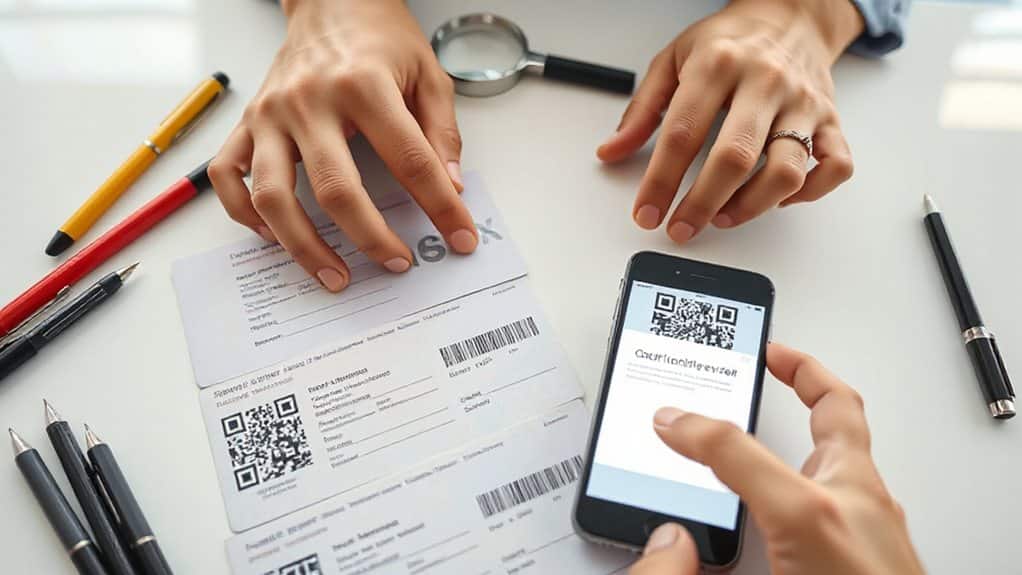
Because immigration officers rely on a scannable QR code or confirmation email to pull your pre‑registered data, you must verify that the code is correct and accessible before you step into the checkpoint. Check that the QR displays clearly on your phone or printed screenshot, and open the confirmation email to confirm the link works. Remember that immigration processing and TSA screening happen in sequence for many international-to-domestic connections, so having your documents ready can prevent compounded delays right when you reach the checkpoint. Test it at a kiosk or with a friend’s scanner to avoid delays.
Handle Families, Long‑Stay Visas, and Health Declarations
You’ll need to manage three distinct tasks—grouping family members, submitting health declarations for long‑stay visa holders, and meeting each country’s specific health‑information requirements—before you reach the immigration desk. Choose the group‑submission option, enter the head of family’s data, then add others with “Add Other Travelers.” Long‑stay pass holders use the Residents option, attach IPA letters, and update any health changes before arrival. Follow Thailand’s T8 Form and Singapore’s SGAC deadlines to avoid entry delays. If you’re carrying medications like TSA liquid limits and need them declared during screening, keep them accessible before immigration to reduce delays.
Troubleshoot Submission Errors and Missed 3‑Day Deadlines

After grouping family members and entering health declarations, the next hurdle is handling submission errors and the tight three‑day deadline. Refresh the page if you see HTTP 429, then retry; unknown errors need you to clear cache and re‑enter data.
Submit within 72 hours before arrival, otherwise the system rejects you.
Double‑check names, passports, flight details, and address to avoid manual checks.
Use the official site tdac.immigration.go.th, and keep the QR code handy for immigration.
And Finally
By confirming your arrival‑card details before you travel, you’ll avoid costly delays at immigration. Double‑check personal data, travel dates, and health statements, then submit the form within the three‑day window. Keep the QR code or confirmation email handy for scanning, and follow the same steps for each family member or visa type. If an error occurs, correct it promptly to stay compliant and guarantee a smooth entry.