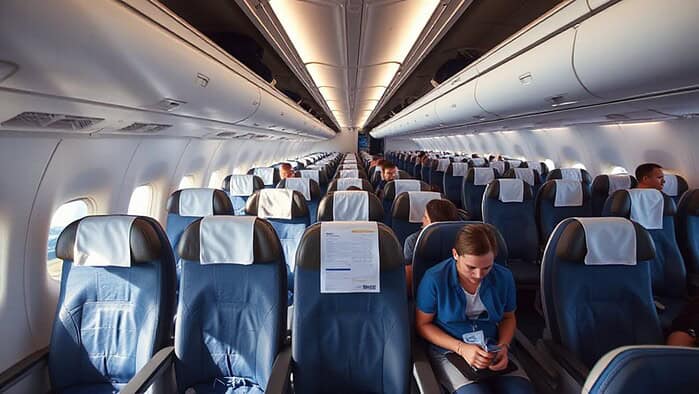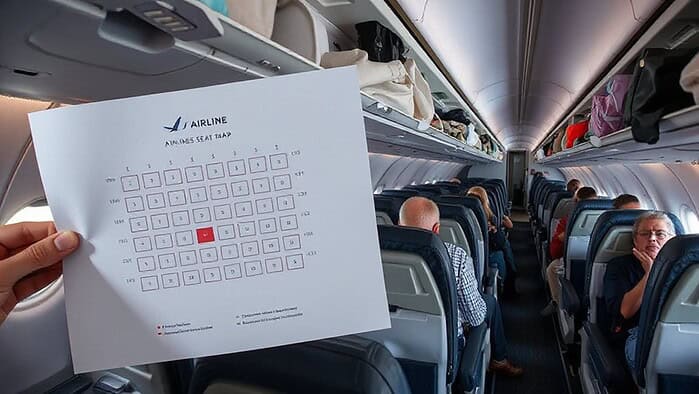
You’ll see low‑cost airlines strip the ticket down to a bare‑bones base fare that excludes bags, seat choice and snacks, then charge for each optional service. They use AI‑driven flexible pricing that adjusts seat prices every few minutes based on demand, season, weather and competitor fares. Targeted inventory control shifts seats between fare buckets in real time, while ancillary fees on baggage, upgrades and priority boarding generate most of the profit. Cutting free perks, using narrow‑pitch seats and streamlining crew duties keep labor costs low. Keep going and you’ll uncover more details.
TLDR
- Ultra‑low base fares are unbundled, charging only for the seat while ancillary services (bags, seats, snacks) generate extra revenue.
- Dynamic, AI‑driven pricing adjusts fares in real time based on demand, seasonality, weather, and competitor rates.
- Real‑time inventory control shifts seat buckets hourly, maximizing yield without sacrificing the low‑price offering.
- Ancillary fees for baggage, seat selection, priority boarding, and other optional services can account for up to 60% + of total revenue.
- Cost reductions come from eliminating complimentary perks, using high‑density narrow‑pitch seats, and streamlining labor through multi‑task cabin crew.
Why Low‑Cost Airlines Keep Base Fares Low
Because low‑cost carriers aim to attract price‑sensitive travelers, they deliberately set base fares at the lowest possible level. You’ll see base fares exclude carry‑on bags, seat selection and snacks, keeping initial prices ultra‑low.
Airlines such as Spirit and Ryanair charge extra for those services, generating ancillary revenue that offsets the cheap fare. This model lets you pay only for the extras you truly need, preserving freedom while maintaining minimal base fares. Revenue‑driven strategies are now common across the industry, with airlines leveraging tiered pricing and ancillary fees to boost profit per passenger. These airlines often rely on Dynamic Pricing systems that adjust fares based on demand, booking timing, and seat availability to keep the lowest fares within the available inventory.
Dynamic Pricing: Turning Seats Into Real‑Time Revenue
Low‑cost carriers keep base fares low by stripping away extras, but the real revenue engine kicks in once a passenger starts looking at a seat. You see prices shift instantly as demand, season, weather, and competitor fares change. AI reads booking patterns, remaining seats, and rival capacity, then updates forecasts multiple times daily. Elasticity models and real-time competitor monitoring let the airline tweak fares, maximizing each seat’s contribution while you enjoy flexible, low‑cost travel.
Maximize Yield With Targeted Revenue Management
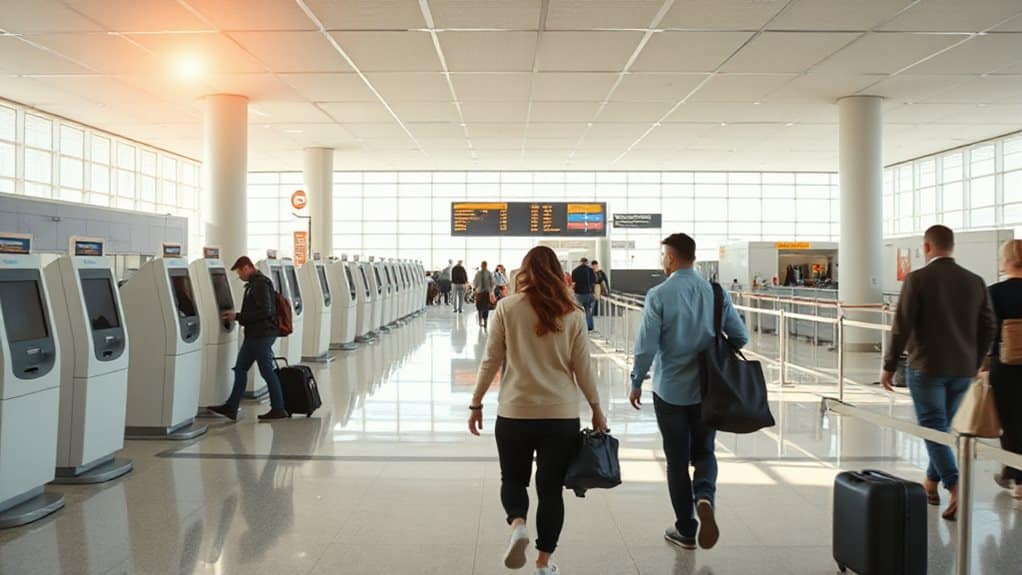
You’ll see responsive seat bucketing paired with predictive demand forecasting, so each flight’s inventory shifts as market signals change. Real‑time price adjustments then fine‑tune fares across those buckets, capturing higher revenue from late‑bookers while still offering early‑bird discounts. This targeted revenue management lets you maximize yield without sacrificing the low‑price appeal that defines budget carriers, and fare buckets open or close hourly to match availability and demand.
Dynamic Seat Bucketing
When airlines replace static fare buckets with responsive seat bucketing, they can adjust inventory and pricing in real time to match demand.
You’ll see seats in exit rows, front, or back held back until late‑stage bookings, then released as business travelers appear.
Real‑time algorithms compute best prices per shopper, increasing revenue by 3‑10 % and keeping flights full while preserving low fares.
Predictive Demand Forecasting
Because airlines need to balance capacity with fluctuating demand, they turn to predictive demand forecasting to fine‑tune pricing and inventory.
You combine historical trends, time‑series analysis, and machine‑learning models to spot seasonality, nonlinear patterns, and market leakage.
Booking‑curve data informs advance‑booking models, while crisis‑censoring cleans signals.
Integrated forecasts improve accuracy, guiding yield‑maximizing decisions without real‑time price tweaks.
Real‑Time Price Adjustments
AI‑driven algorithms scan booking patterns, weather, rival prices, and seat inventory in seconds, then the adaptive pricing engine tweaks fares across the network.
This targeted yield management fills seats, shifts costs to late shoppers, and preserves advertised low fares while increasing ancillary revenue.
Low‑Cost Airline Revenue: Unbundled Ancillaries Explained
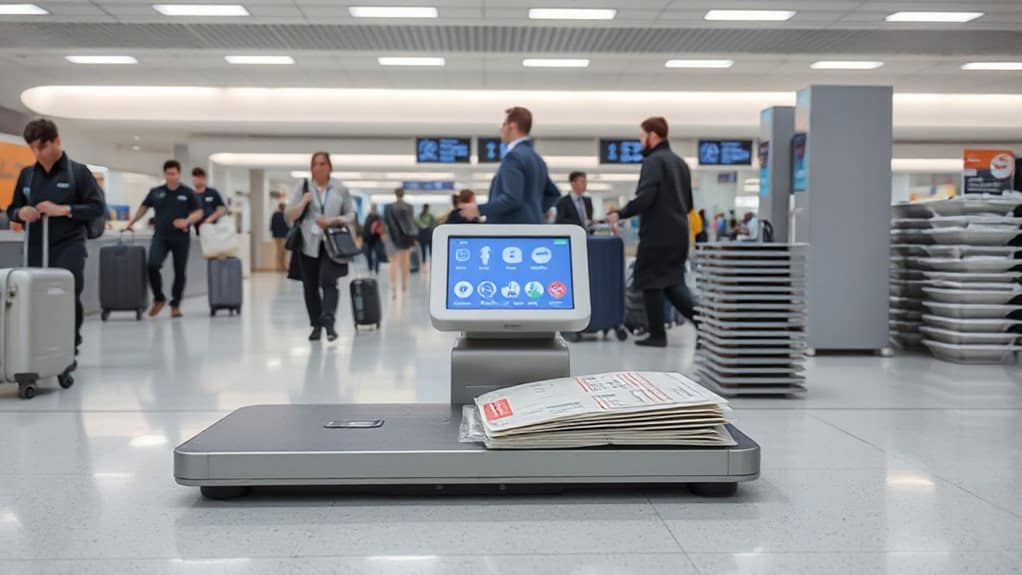
You’ll see that low‑cost carriers set a base fare and then let you add optional services, which gives them pricing flexibility and a steady stream of ancillary revenue.
By offering baggage fees, seat upgrades, and priority boarding as separate choices, they turn each passenger into a mini‑shopping cart.
This unbundled model lets airlines adjust prices in real time and capture more income without raising the advertised ticket price.
As a result, luggage rules (like baggage allowance limits) can drive additional charges depending on size and weight.
Ancillary Pricing Flexibility
When low‑cost carriers adjust ancillary prices, they rely on AI‑driven pricing that reacts to market conditions, customer attributes, and real‑time shopping data.
You’ll see hourly shifts based on demand, seat availability, and competitor fares, with up to 20 variables tweaking bag fees.
Personalization tailors offers by travel history, while bundled packages and subscription models increase conversion, turning ancillaries into a flexible revenue engine.
Revenue From Optional Services
Low‑cost carriers turn optional services into a core revenue engine, accounting for a growing share of total earnings. You’ll see baggage fees, seat upgrades, and priority boarding generating up to 62 % of revenue for airlines like Frontier.
Global ancillary sales hit $148.4 billion in 2024 and are projected to surpass $157 billion next year, with per‑passenger yields climbing as passengers choose flexibility over bundled fares.
Airline‑Specific Cost Controls: Removing Free Perks & Cutting Crew Expenses
Because airlines can strip away every complimentary service, they turn what used to be a bundled fare into a lean, high‑margin product.
You’ll notice base fares exclude baggage, seat selection, and drinks, while non‑reclining, narrow‑pitch seats cut cleaning and crew workload.
Flight attendants double as boarding assistants, and single‑cabin layouts maximize seats, slashing handling and labor costs.
This uniform, no‑frills approach streamlines operations and preserves low fares.
Premium card travel protection and credits are a separate kind of “unbundling,” where value comes from card benefits rather than what airlines automatically include in the ticket.
Data‑Driven Strategies That Add 2‑3 % Revenue and Up to 15 % EBITDA
Typically, airlines enhance revenue by a few percent and increase EBITDA by up to 15 % through data‑driven strategies that fine‑tune pricing in real time. You’ll see AI algorithms adjusting fares instantly, using demand, competitor rates, weather, and booking windows. delay‑proof transfers Real‑time shopping data refines offers, while elasticity models predict sensitivity. This precise, network‑wide pricing can add 2‑3 % revenue and increase EBITDA up to 15 %.
And Finally
By understanding how low‑cost carriers use pricing that responds to demand, unbundled ancillaries, and strict cost controls, you see why their base fares stay cheap while profitability rises. Targeted revenue‑management tools squeeze extra income from each seat, and data‑driven tweaks can increase revenue by a few percent and EBITDA by up to fifteen percent. Ultimately, the combination of real‑time pricing, fee‑based services, and disciplined expense reduction keeps the business model both affordable for travelers and financially sustainable.