Flight prices change hourly because airlines constantly adjust fares based on demand, seat availability, and competition. You’re seeing real-time updates driven by algorithms that track how quickly seats sell and how rivals price similar routes. Fuel costs, weather, and booking trends also play a role. Airlines use AI to tweak prices multiple times a day, maximizing revenue while filling planes. Your timing and travel choices directly influence what you’ll pay—small shifts can mean big savings, and there’s more to how this works just beneath the surface.
TLDR
- Airlines use real-time data to adjust prices hourly based on shifting demand and booking patterns.
- Dynamic pricing algorithms respond to competitor fare changes within the same hour.
- Fare buckets open or close hourly, altering availability and influencing price fluctuations.
- AI systems analyze network-wide demand, weather, and events to update fares multiple times daily.
- Operational factors like fuel costs, capacity limits, and maintenance impact hourly price adjustments.
How Supply and Demand Set Flight Prices

While airlines can’t add flights at a moment’s notice, they constantly adjust prices to match shifting demand—and that’s why you’ll often see fares change hourly.
You’ll pay more when demand spikes, like during summer or holidays, because limited seats drive competition. Off-peak, prices drop to fill empty seats.
Airlines use real-time data and variable pricing to balance supply and demand, keeping planes full and fares flexible. This pricing power is strengthened by ongoing capacity constraints due to aircraft delivery delays and maintenance issues, which limit seat availability and support higher fares.
Airlines also plan routes to exploit jet stream effects and other operational factors that influence flight times and costs.
How Yield Management Controls Airfare
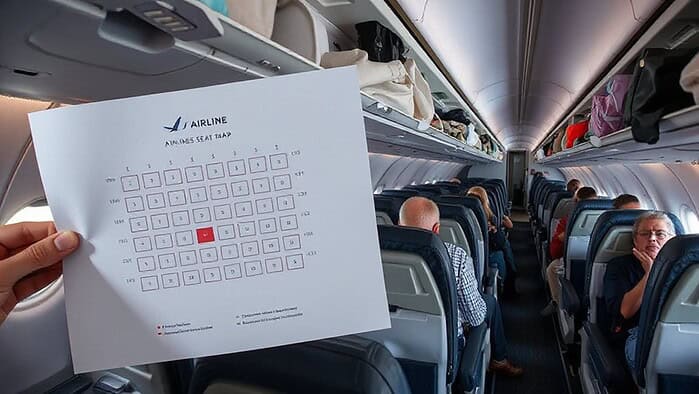
You see fare buckets every time you book a flight, as airlines split seats into categories like cheap advance-purchase tickets or full-price last-minute deals.
They use algorithms to adjust how many seats are available in each bucket, based on how fast they’re selling and when you’re flying.
This system pushes prices up as demand grows, ensuring each seat brings in the most revenue possible.
Enforcement of baggage and carry-on size limits can affect travelers’ choices and demand for certain fare types.
Fare Buckets And Availability
Imagine booking a flight and wondering why someone paid less for the same seat just days earlier—chances are, fare buckets and availability played a key role.
Airlines use letter-coded buckets like W or E to sort fares by price, rules, and availability. You’re placed in a bucket based on when and how you book.
Yield systems open or close buckets hourly, adjusting to demand so airlines maximize revenue while filling seats efficiently.
Dynamic Pricing Through Algorithms
Airlines don’t just adjust prices based on how many seats are left—they use sophisticated algorithms that constantly reshape fares in real time.
You see variable pricing in action when rates shift hourly, responding to demand patterns, competitor moves, or even your browsing behavior.
These systems analyze weather, holidays, and market trends, adjusting prices autonomously.
Maximizing Revenue Per Seat
Behind every fluctuating airfare is a calculated system designed to squeeze the most value from each seat.
You see higher or lower prices because airlines adjust fares based on demand, protect seats for last-minute buyers, limit cheap options, and overbook slightly.
This yield management guarantees each flight maximizes revenue by selling the right seat to the right traveler at the best possible price.
How AI Adjusts Flight Prices by the Hour
While you’re checking flight prices on your phone, AI is already adjusting them based on real-time data from across the network. It responds to demand, weather, or competitor changes within the same hour.
Algorithms tweak fares multiple times daily, balancing network impact and personalizing offers. You see prices shift not by chance, but by continuous, autonomous optimization powered by deep learning and live market simulations. Advanced models also account for seasonal demand and inventory across the carrier network to set fares dynamically.
Best Times to Book and Fly for Lower Fares
You’ve seen how AI constantly adjusts flight prices based on real-time data, but knowing when to act can save you just as much as the algorithms shaping the fares.
Book domestic flights 1–3 months ahead, ideally 38 days before departure, for up to 25% savings. Fly Tuesday or Wednesday to catch the lowest fares.
For holidays, book 50 days out.
Save 6% by booking on Sundays, and choose mid-week international returns for better deals.
Wide-body aircraft like the Airbus A350 often offer a more comfortable travel experience that can make pricier tickets worth considering.
Do Airlines Copy Competitors’ Prices?
Airlines don’t just set prices in a vacuum—they actively track what rivals charge and adjust accordingly.
You’ll see prices shift hourly as carriers use tools like QL2 and Opti Price to monitor competition. When one airline drops fares, others often match quickly, sparking price wars.
These automated systems react in real time, sometimes undercutting too early, leaving fewer seats at higher prices later. Airlines also factor in seat availability and other operational limits when their pricing engines update.
How Fuel, Weather, and Crises Affect Airfares
When fuel prices rise, you’ll often see airfares climb soon after, especially on long-haul flights where fuel makes up a major share of operating costs.
Lower fuel costs can reduce fares, but savings aren’t always passed on right away. Weather-driven demand, like summer travel or spring break, pushes prices up, while storms or crises may trigger sudden drops as airlines adjust flexibly to fill seats. Aircraft refueling times vary widely by type, from about 15 minutes for small jets to up to two hours for the largest airliners, which affects turnaround and operational costs refueling time.
And Finally
You now see how flight prices shift hourly due to supply and demand, yield management, and AI tracking booking trends. Airlines adjust fares in real time, respond to competitors, and factor in fuel, weather, or global events. Booking earlier or choosing off-peak times often helps you save. While prices fluctuate, understanding these patterns gives you an edge when planning travel.