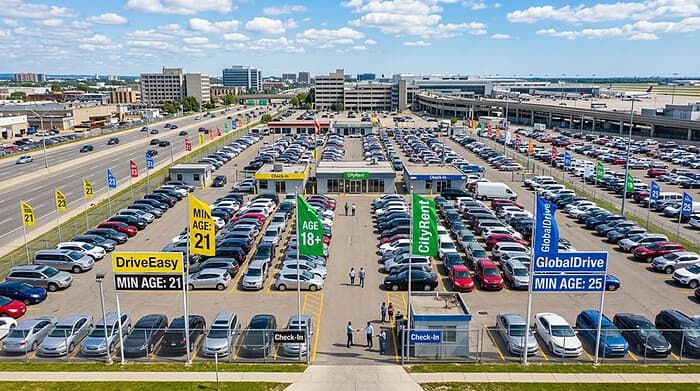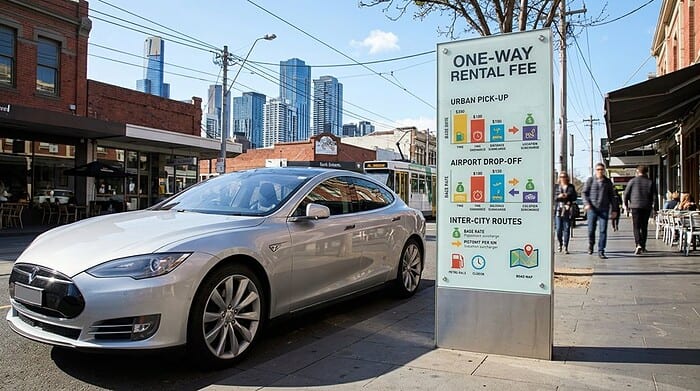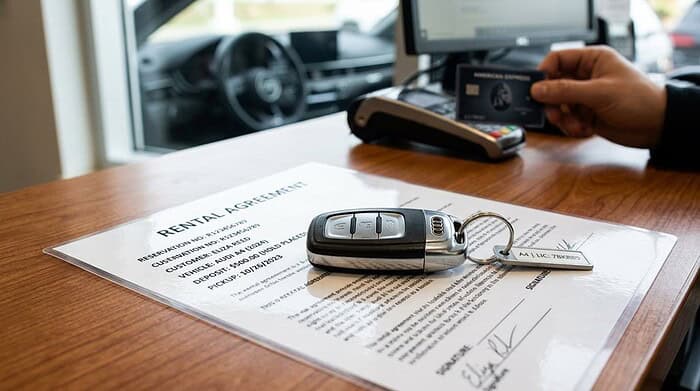
Rental car toll passes are electronic devices or services that automatically pay tolls as you drive through designated lanes. You typically activate the pass when renting and are billed later either through your credit card or an invoice, often at discounted rates. The system handles tolls on specific regional roads, bridges, and tunnels, reducing the need for cash or manual stops. To learn more about how to minimize fees and manage these passes effectively, continue exploring the details below.
TLDR
- Rental car toll passes automatically detect and record tolls as you drive through electronic toll lanes.
- Tolls are billed to the rental company, often weeks after your trip, via third-party administrators.
- You can pay toll charges using credit card, invoice, or through pre-paid toll pass options.
- Many regions offer discounted rates for electronic toll transponders, reducing overall costs.
- Rental companies may charge additional fees for toll pass usage and processing.
How Rental Car Toll Passes Can Save You Money and Hassle
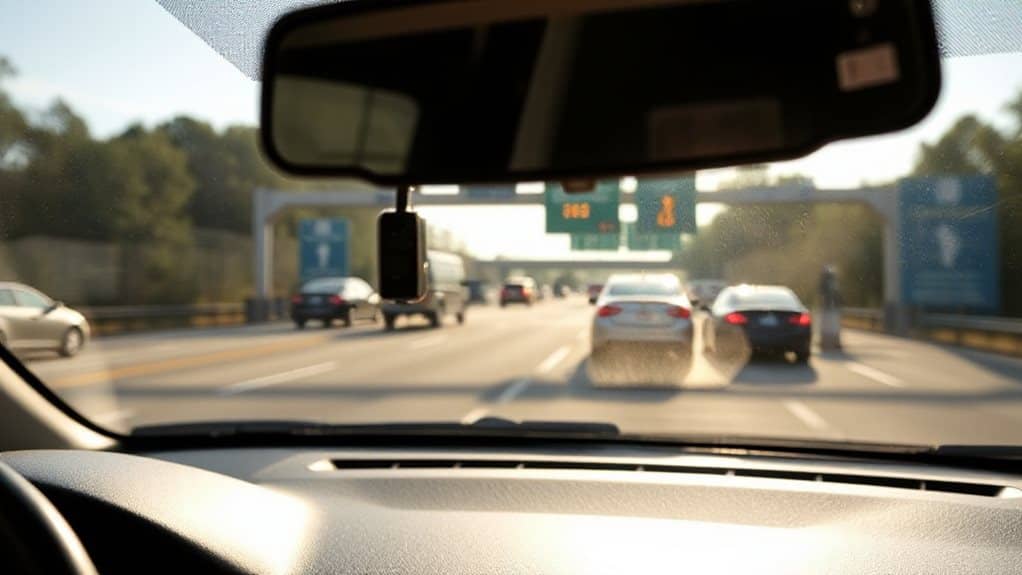
Using a rental car toll pass can substantially save you money and reduce stress during your trip. With a toll program, you can pay tolls electronically at discounted rates, avoiding costly fines. Many programs include a convenience fee, but they eliminate the need to stop at toll booths and guarantee tolls are paid promptly. This streamlines your travel and helps you manage costs effectively by reducing manual stops and delays. offline access can also matter because if you’re planning routes in advance, having offline map capability helps you stay oriented if signal or connectivity changes while you’re traveling.
How Do Rental Companies Handle Toll Payments and Fees?
When you rent a car, the way toll payments are handled depends on your choices and the rental company’s policies. Toll charges are billed weeks later through third-party toll administrators, separate from your rental agreement. Payment options include charging your credit card or mailing an invoice if you lack a card on file. Fees for toll passes, if used, are billed additionally. BTS and MRT fares can be a lower-cost alternative to toll roads when you’re driving in Bangkok.
Rental Toll Pass Options and Which Regions Are Covered
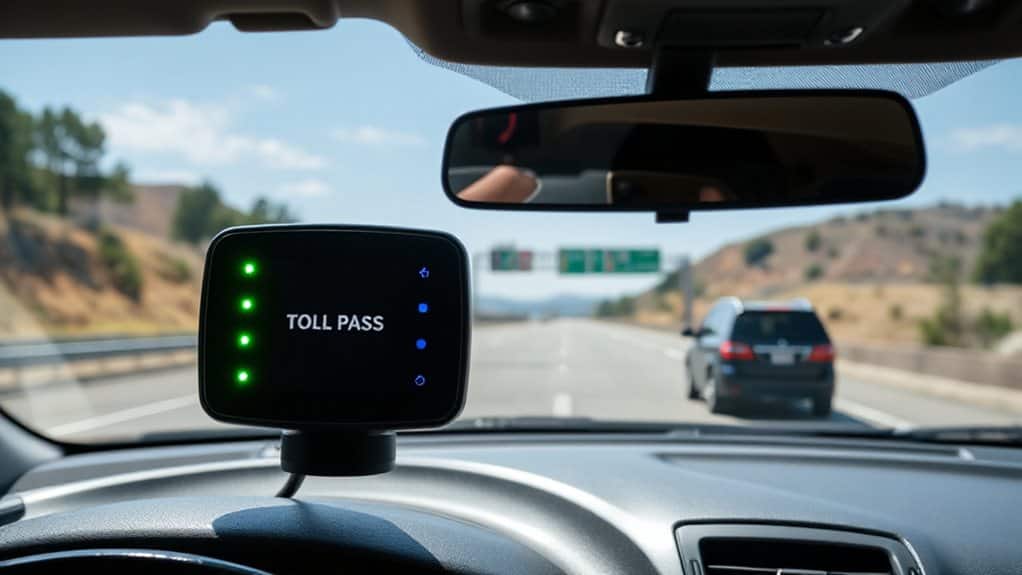
Rental car companies offer various toll pass options, such as TollPass, e-Toll, and PlatePass, that automatically handle toll payments during your rental period. These passes typically cover regions like the Northeast US, California, Chicago, and Louisville, KY, but the specific roads included vary by location. It’s important to check regional coverage and availability before renting, as some areas use cashless toll systems that require electronic transponders or online payments. In addition, you should confirm whether any toll sites on your route have cashless toll systems that rely on electronic transponders or online payment methods.
Regional Toll Coverage Areas
Have you ever wondered which regions are covered by rental car toll passes? Your toll coverage varies by program, typically including regions like the Northeast, California, Chicago, Louisville KY, and select toll states.
These passes often cover regional tolls, bridges, tunnels, and electronic toll lanes, but may exclude certain express lanes or specific toll roads, depending on the area.
Available Toll Pass Options
Rental car companies offer a variety of toll pass options designed to streamline your payment process and help you avoid stopping at toll booths. These include electronic transponders and video-monitored systems for cashless tolls.
Coverage varies by region, with options in the Northeast, California, Chicago, and some areas in Canada. These options often cover bridges, tunnels, and congestion zones.
Tips to Reduce or Avoid Toll Fees When Renting a Car
To minimize toll charges when using a rental car, there are several practical strategies you can employ. Using a toll pass like E-ZPass can help you avoid daily toll fees and access discounted rates.
Paying cash at toll booths, planning routes with route guidance apps, and choosing unlimited toll plans also help manage toll fees.
Always verify your rental company’s policies to stay informed.
If you run into airport or highway tolls while traveling, consider seat belt extenders availability can be requested from cabin crew after boarding to help ensure you’re comfortable and safe during transit, which may indirectly reduce stress on long trips.
Managing Toll Billing and Disputes Effectively
Managing toll billing and disputes effectively requires understanding how and when toll charges are processed.
Typically, toll billing for rental car toll passes occurs 4-8 weeks after your rental, based on toll data received by the company.
You should also verify any airline policy considerations if your travel involves using specific carriers or restrictions, since timing and permitted device use can vary across operators and locations.
You can review and dispute charges online or via customer support, keeping records to support any disputes or clarifications.
Using Your Own Transponder or Paying Cash at Toll Roads
Using your own transponder or paying cash at toll roads can give you more control over your toll payments during your rental period.
You can use a compatible transponder, like E-ZPass, but need to register it beforehand and mount it correctly for accurate billing.
If paying cash, you’ll stop at toll booths accepting cash, but many roads are cashless or electronic.
Remember to unregister your transponder afterward.
Also, consider TSA 3-1-1 toiletry bag rules if you’ll be stopping for supplies during your trip.
And Finally
Using rental car toll passes can simplify your trip and potentially save you money by avoiding additional fees. Always check which toll options your rental company offers and understand their billing process. If you have a transponder of your own, confirm whether it can be used or if you’ll be charged extra. Being aware of toll regions, managing disputes promptly, and choosing the right payment method helps guarantee a smooth rental experience without unexpected charges.