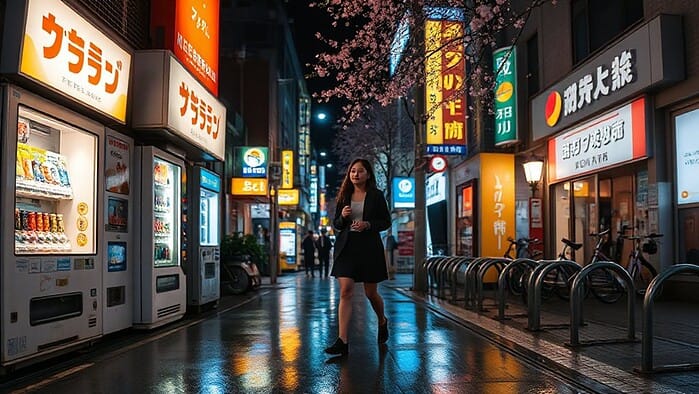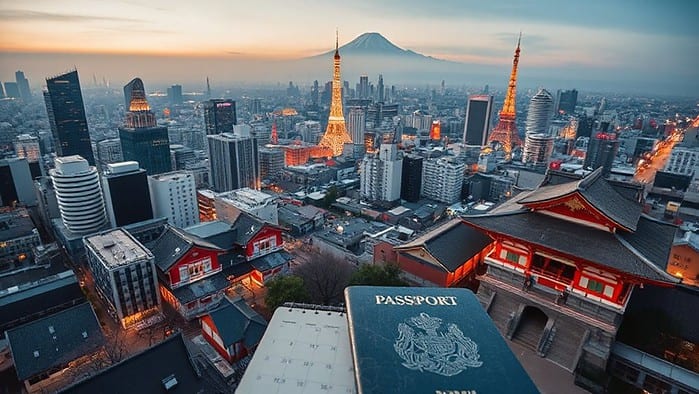
Stay in Shinjuku, Shibuya, or near Tokyo Station for the best access to transit and attractions. These areas offer a range of lodging, from budget hostels to luxury hotels, with strong connections via the Yamanote Line. You’ll find family-friendly options in Ueno or Asakusa, while Ginza suits those seeking upscale comfort. From 2027, a 3% accommodation tax will apply to rooms over 13,000 yen per person. There’s more to factor in when choosing your ideal base.
TLDR
- Choose Shinjuku or Shibuya for excellent transit access and vibrant city energy ideal for first-time visitors.
- Stay near the Yamanote Line for easy, efficient travel to major attractions across Tokyo.
- Consider family-friendly accommodations like Mimaru or Sunshine City Prince with kitchenettes and child amenities.
- Budget travelers can find affordable options starting around $37 in hostels or capsule hotels, especially in Asakusa.
- From 2027, a 3% accommodation tax will apply to rooms over 13,000 yen per person, affecting mid-range and luxury stays.
Understanding Tokyo’s Accommodation Tax Rules
While planning your stay in Tokyo, it’s important to understand how the city’s accommodation tax affects your lodging costs.
Currently, you pay 100 yen per night for rooms from 10,000 yen, or 200 yen for 15,000 yen and up.
Starting in 2027, expect a 3% tax on stays over 13,000 yen.
The tax applies per person, based on pre-tax room rates, and excludes meals.
It’s collected at check-in or check-out and supports local tourism services.
This update expands the tax to include capsule hotels and minpaku.
Tokyo is Japan’s capital and major urban transit hub, so the tax revenue may be used to support services around the city.
Top Neighborhoods for Convenience and Access
If you’re looking for the most convenient bases to investigate Tokyo, Shinjuku, Shibuya, and Tokyo Station area top the list for 2025, thanks to their central locations and seamless transit links. Shinjuku offers unmatched access and energy, Shibuya delivers youth-driven convenience, and Tokyo Station guarantees quiet efficiency.
Ginza suits upscale tastes, while Ebisu and Meguro provide relaxed, stylish alternatives—all keeping you free to discover effortlessly. Also consider sampling local street food stalls for an essential taste of the city’s culinary culture, especially at night when vendors are most active and varied (Street Food).
Types of Places to Stay in the City
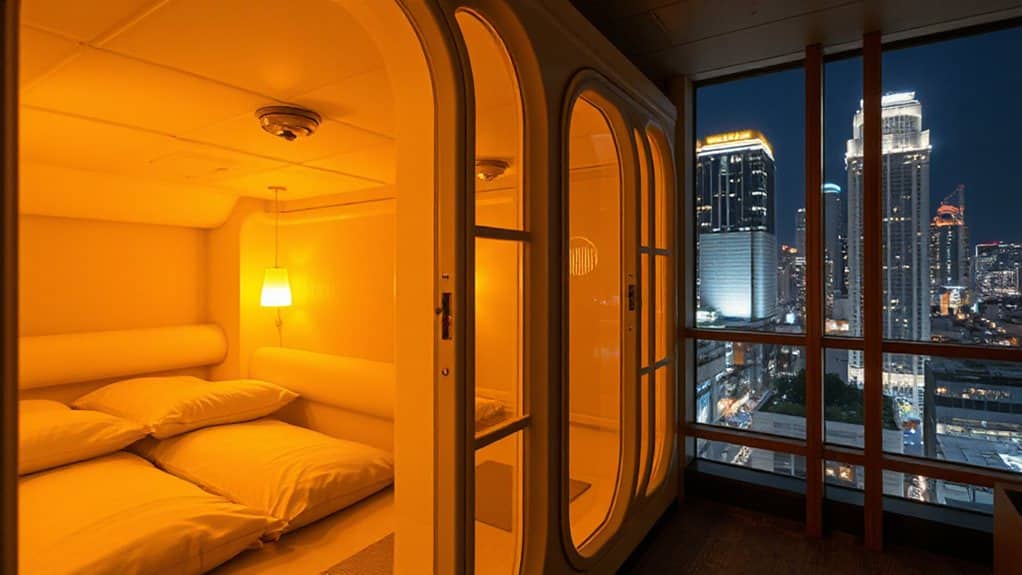
You’ll find a wide range of places to stay in Tokyo, from modern hotels to traditional ryokans.
High-end options include 39 five-star hotels, while budget travelers can choose capsule hotels or hostels with shared facilities.
Each type offers different comforts and price points, so pick what fits your needs and travel style.
For families, consider neighborhoods with easy access to family-friendly attractions and public transport to make daily outings simpler.
Hotel Options Overview
Tokyo’s hotel scene breaks down into three main categories: high-end, mid-scale, and budget accommodations, each serving distinct traveler needs.
You’ll find luxury options like Fairmont and Waldorf Astoria rising in 2025–2026, while mid-scale hotels dominate with strong occupancy and 14% higher prices.
Budget stays remain plentiful, with 90% of rooms under domestic brands, ideal for cost-conscious travelers seeking freedom and flexibility.
Alternative Lodging Choices
Looking beyond traditional hotels, you’ll find a diverse range of alternative lodging options across Tokyo that cater to different budgets, group sizes, and travel styles.
You can choose capsule hotels with modern comforts, budget hostels featuring themed designs, or serviced apartments like Mimaru for families.
Vacation rentals suit couples or groups, while glamping and farm-stays offer unique rural experiences.
These options provide flexibility, affordability, and local immersion, ideal for independent travelers seeking authentic stays without sacrificing convenience or choice in lively neighborhoods.
Best Hotels for Every Budget in Key Areas
You’ll find Tokyo’s top areas offer great convenience, whether you’re on a budget or seeking luxury.
Prices across Shibuya, Shinjuku, Ginza, and other key districts reflect a range of options, but keep in mind that a 10% consumption tax is added to all hotel stays, affecting your final cost.
Choosing the right neighborhood means balancing access, comfort, and value based on your travel style and spending plan.
Many visitors also value nearby green spaces and attractions like Gardens by the Bay for blending nature with modern sights.
Top Areas for Convenience
When planning your stay in Tokyo, choosing a neighborhood with strong transit links and walkable access to attractions makes a big difference.
Stay in Shibuya for first-time ease, Shinjuku for transport variety, Ginza for refined convenience, Tokyo Station for bullet train access, or Asakusa/Ueno for cultural immersion and airport connections.
Each offers efficient mobility, key sights nearby, and reliable access to the rest of the city.
Budget to Luxury Stays
Tokyo’s hotel scene spans the full range, from compact capsule lodgings to opulent five-star retreats, so you can find a stay that fits both your budget and travel style.
Budget stays like Shibuya Tokyu REI Hotel or KOKO HOTEL Asakusa start at $37. Mid-range options include Odakyu Hotel in Shinjuku.
Luxury travelers choose Park Hyatt or The Ritz-Carlton from $400.
Tax Impact on Choices
While planning your stay in Tokyo, it’s worth considering how accommodation taxes affect your overall costs, especially as the city prepares for a tax overhaul starting in fiscal 2027.
You’ll pay nothing if your room is under 10,000 yen per night, but rates shift to 3% of the charge from 2027, with exemptions up to 13,000 yen.
Budget stays see little change, while mid-range and luxury lodgings may cost more.
This tax applies only to room fees, not meals, and is collected at check-in or check-out.
Trends Shaping Tokyo’s Lodging Market
As global travel rebounds, you’ll find Tokyo’s lodging market reshaped by surging demand and shifting traveler priorities.
You’ll see rising hotel prices, especially in luxury segments, with 5-star rates nearing 800 euros. High occupancy and strong inbound tourism enhance profitability.
Experiential stays, like hotels with top restaurants, attract discerning travelers.
Weekday local dining stabilizes revenue, while new international brands expand, enhancing choice and competition across central areas.
Gate agents may also enforce strict carry-on size rules on regional flights, so travelers increasingly value hotels that help with luggage storage and flexible check-in options.
How Tokyo Compares to Other Major Cities
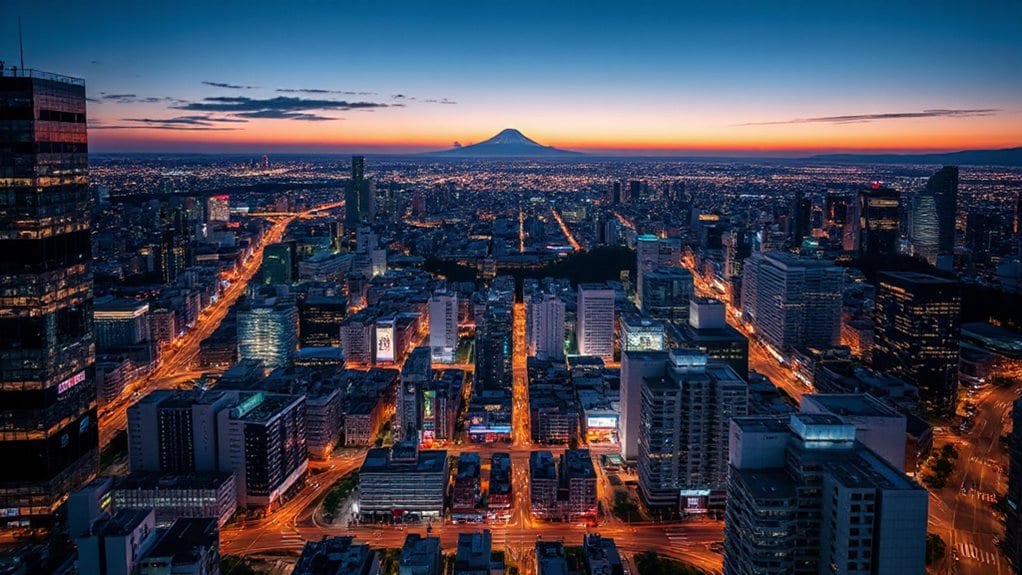
When comparing housing costs across global cities, you’ll find Tokyo remains more affordable than many international counterparts despite its status as a major metropolis.
A central 3-bedroom apartment costs ¥390,000—far below London’s ¥803,000 and New York’s ¥1,242,000.
Even one-bedroom rents and property prices are lower, while property taxes rank among the world’s lowest, giving you more financial freedom.
Finding Family-Friendly Stays in Tokyo
Finding the right place to stay in Tokyo with your family means balancing space, comfort, and convenience without breaking the bank.
Choose Sunshine City Prince for large family rooms, or Hilton Tokyo Bay for easy Disneyland access. Mimaru offers kitchenettes and baby gear, while Grand Nikko guarantees connecting rooms.
For value, consider 3- or 4-star hotels or Airbnb. Many include kid-friendly amenities, stroller access, and free stays for young children. Consider proximity to the Chao Phraya River for easy access to key attractions and ferry transport.
Tips for Choosing the Right Location
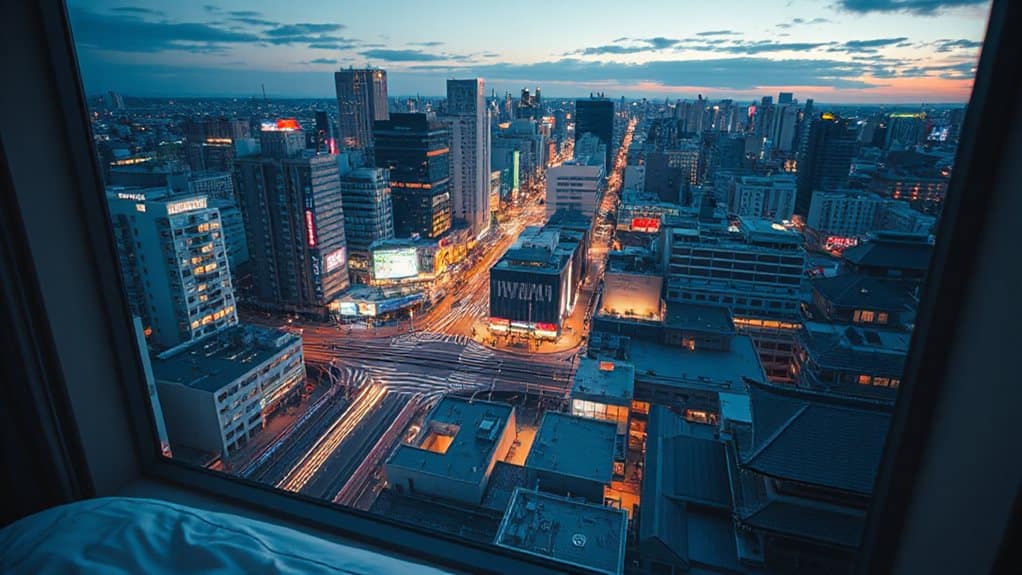
If you want to make the most of your time in Tokyo, picking a well-connected neighborhood should be your top priority.
Choose Shinjuku or Shibuya for easy access to sights and trains.
Prefer quieter stays? Try Ebisu or Meguro.
Budget travelers love Asakusa and Ikebukuro.
Stay near the Yamanote Line to move freely across the city with minimal transfers and maximum convenience.
And Finally
You now have the key details to choose where to stay in Tokyo. Consider location, budget, and travel needs when picking your neighborhood. Most areas are safe and well-connected by transit. You’ll pay a small accommodation tax nightly. Family-friendly and budget options exist across the city. Compare Tokyo’s prices to other global cities to get value. Use this guide to make a smart, informed decision quickly.