When travel demand outpaces seat availability, airlines use AI‑driven post‑demand pricing to adjust fare buckets in real time, pushing prices up as booking windows close. Higher demand triggers tiered pricing, adds ancillary fees, and forces airlines to pass fuel, staffing, and capacity constraints onto tickets. Seasonal spikes, post‑pandemic surges, and limited fleet growth further inflate fares. If you keep going, you’ll uncover strategies to lock in lower prices despite these pressures.
TLDR
- Higher travel demand expands fare buckets and pushes seats into higher‑priced tiers, especially as departure dates near.
- Real‑time signals (booking trends, competitor fares, weather, events) trigger adaptive pricing, causing minute‑by‑minute fare changes.
- Peak seasons and surge periods (e.g., summer leisure travel) can raise fares 25‑50% above pre‑COVID levels.
- Limited fleet capacity and rising operating costs (fuel, wages) amplify price pressure, even with strong demand.
- Early bookings, mid‑week travel, secondary airports, and fare alerts help lock lower prices before demand‑driven hikes.
How Post‑Demand Shapes Airline Pricing
When demand spikes after a flight’s initial booking window, airlines shift from static fare tables to post‑demand pricing, instantly tweaking fares based on real‑time signals. You’ll see algorithms pull booking patterns, competitor fares, weather, and events to adjust prices. AI predicts willingness to pay, while yield management balances load factor and revenue. This adaptive approach lets you receive personalized offers that reflect current market conditions. Airlines are now emphasizing tiered pricing to boost ancillary revenue.
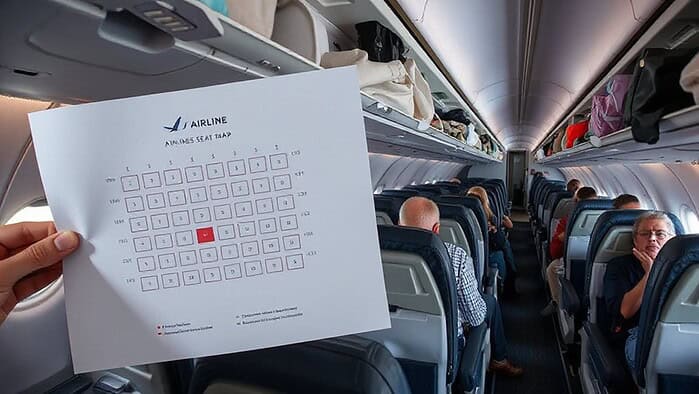
After fare buckets open or close hourly, the number of seats available at each price level changes, which directly affects what you can book.
How Seasonal Travel Patterns Influence Airfare Prices
When you travel during peak seasons, airlines raise fares to capture the surge in demand, especially in summer when Europe’s leisure market spikes and families book vacations.
In off‑peak periods, you’ll find discounts of up to 30 % as carriers lower prices to fill seats, with shoulder months offering moderate savings and fewer crowds.
Understanding these patterns lets you anticipate price fluctuations and plan trips when fares are most favorable, and it can also help you time adventure travel to better manage risk-related costs like evacuation limits.
Peak Travel Demand Peaks
During the summer months—June through August—airlines see the sharpest rise in fares because demand spikes dramatically.
You’ll notice fares climbing 50% over last summer and 25% above 2019 levels as families vacation and schools break.
Seat scarcity pushes prices up, while staffing limits and tighter schedules amplify the surge, concentrating most revenue and profit into these peak weeks.
Off‑Peak Travel Discounts
After the summer surge, airlines shift their focus to the quieter weeks when demand drops. You’ll find lower fares on midweek flights, especially Tuesdays and Wednesdays, and on early‑morning or late‑night departures.
Shoulder‑season routes from hubs like Atlanta to New York or New Orleans can be 30‑40% cheaper.
Booking flexible, low‑cost airports and using 24‑hour cancellation windows maximizes savings.
How the Post‑Pandemic Travel Surge Inflates Fares
You’re seeing higher ticket prices because the post‑pandemic demand spike has outpaced the limited fleet capacity airlines can quickly expand.
With more travelers competing for the same seats, carriers are unbundling ancillary services and charging separate fees that add up quickly.
This combination of demand pressure and fee unbundling pushes the overall fare you pay well above pre‑pandemic levels.
Real-time pricing helps explain why these fares can change minute by minute as demand and availability shift.
emic‑Pandemic Demand Spike
The post‑pandemic travel surge has pushed airline fares higher than they were before COVID‑19, and the numbers illustrate why.
You see 960 million tourists in 2022, 1.1 billion in early 2025, and record‑breaking arrivals in 2024.
Business bookings rebounded, matching leisure demand.
Pent‑up travel demand strains capacity, driving price inflation despite inflation‑tempered growth.
Limited Fleet Capacity
Because airlines haven’t received enough new aircraft to match the post‑pandemic demand surge, the limited fleet capacity is pushing fares upward.
You see 99% of passenger levels are back, but deliveries fell 31% short of demand, and capacity grew only 4% in 2024.
This supply‑demand gap forces airlines to keep prices high, especially on routes where demand outpaces the few new planes arriving.
Ancillary Fees Unbundling
When demand surged after the pandemic, airlines turned to unbundling ancillary services to offset shrinking base fares and rising operating costs. You now see $150 billion in ancillary revenue, with $25 per passenger spent on baggage, seat upgrades, and priority boarding.
Low‑cost carriers earn $70.29 per traveler, while major airlines rely on co‑branded cards and AI‑driven pricing to keep profits alive.
How Jet‑Fuel Prices and Shrinking Fleets Shape Ticket Costs
Rising jet‑fuel costs and shrinking airline fleets are pushing ticket prices higher than they’ve been in years.
You’ll see fares climb roughly ten percent as fuel spikes from $2.50 to $4.02 per gallon force carriers to recoup $24 billion in expenses.
Fewer planes mean each seat bears higher fuel burdens, amplifying the pass‑through.
This dual pressure tightens supply, so you pay more for the same routes.
Dynamic pricing helps airlines adjust fare buckets in real time as demand and seat availability change.
Why Ancillary Fees Make Base Fares Look Cheaper Than They Are
You’ll notice the headline fare looks low, but the airline bundles baggage, seat picks, and Wi‑Fi into separate fees that quickly add up.
Those ancillary charges inflate the total price you actually pay, even though the base fare itself has dropped.
As a result, the true cost of the trip is hidden behind a deceptively cheap ticket.
In particular, baggage rules like 50 lbs (23 kg) weight limits can trigger excess baggage fees if you’re not careful.
Bundling Masks True Cost
Because airlines want to lure price‑sensitive shoppers, they set the base fare artificially low and then hide the real cost behind a stack of ancillary fees.
You see a cheap headline, but each bag, seat selection, and loyalty perk adds up quickly.
This bundling lets carriers fill seats, then capture most revenue from fees, masking true travel expense.
Ancillary Fees Inflate Perceived Price
When airlines slice the base fare to appear cheap, they simultaneously stack ancillary fees that push the total cost far above the headline price.
You’ll see baggage charges, seat‑selection premiums, priority boarding and Wi‑Fi add‑ons inflating your bill.
In 2024 ancillary revenue topped $150 billion, accounting for roughly 14 % of airline income, while base fares fell 3‑4 % because airlines rely on those extra fees for profit.
How Wage Growth and Staffing Shortages Raise Airfare
If you look at recent data, wage growth and staffing shortages are directly pushing airfares higher.
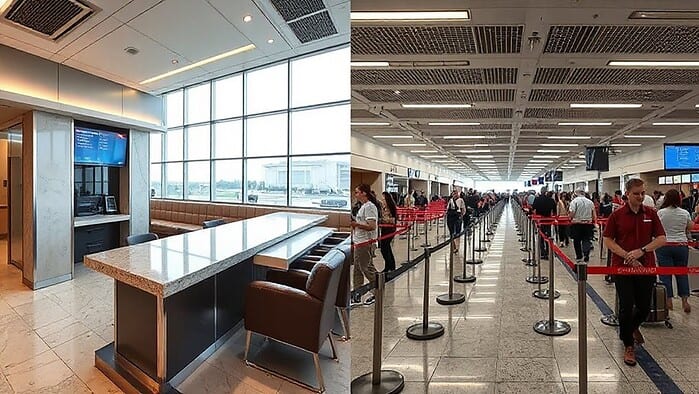
TSA shutdowns have left 10% of agents out, causing up to three‑hour security lines and prompting airlines to raise ticket prices to cover overtime and temporary hires.
Simultaneously, ATC understaffing forces flight reductions, while crew wages rose 5‑7% in 2025, all of which squeeze margins and translate into steeper fares for you.
Because flight attendants are random drug and alcohol testing safety-sensitive roles, staffing and scheduling disruptions from compliance and coverage needs can further strain operating costs.
Why the Travel Price Index Matters for Forecasting Ticket Costs
Even though the Travel Price Index (TPI) covers a broad mix of travel‑related costs, its transportation component—especially airline fares—provides a direct gauge of the forces shaping ticket prices.
You can read TPI trends to spot demand shifts, compare them to CPI, and gauge how falling fares or rising fuel affect future tickets.
The weighted data lets you forecast costs, helping you plan affordable trips.
How 2026 Airfare Compares to Pre‑COVID Levels
Because fuel prices have surged and demand remains strong, 2026 airfare is far above the levels seen before the pandemic.
You’ll see domestic tickets 10‑50% higher than pre‑COVID, while transcontinental fares jumped from $167 to $414, a 148% rise.
Jet fuel costs surged 72%, and airlines are passing those expenses directly to you, keeping prices steep despite strong travel demand.
Three Demand Scenarios That Could Shift Airfare Prices
Airfare prices have already surged, but the next few months could see even bigger shifts depending on how demand evolves.
You might face three scenarios: a continued strong surge that outpaces capacity, regional spikes like India’s 12% growth, or geopolitical shocks that raise fuel costs and curb bookings.
Each path can push fares higher, especially on premium and peak‑season routes, limiting low‑fare options.
How to Lock in Lower Airfare Despite Rising Demand
When demand spikes, airlines typically raise fares as the departure date draws near, so securing a ticket early is the most reliable way to lock in a lower price.
You can also fly Tuesdays or Wednesdays, choose secondary airports, and set fare alerts.
Mix airlines, use flexible tickets, and redeem rewards early to keep costs down while preserving travel freedom.
And Finally
You’ve seen how demand, seasonality, fuel costs, and ancillary fees all drive airfare. Recognizing these factors lets you anticipate price shifts and plan smarter. Monitoring the Travel Price Index and comparing current fares to pre‑COVID levels can reveal whether prices are truly high or just appear so. By booking early, using flexible dates, and watching airline promotions, you can lock in lower tickets even when demand spikes. Stay informed, and you’ll manage fare changes with confidence.