
You’ll want a policy that lists 250+ adventure activities, offers at least $100 k–$250 k medical coverage (ideally up to $8 million), includes 24/7 rescue and evacuation (up to $8 million for remote trips), and reimburses gear loss or rental. Look for plans that let you add sport‑specific endorsements, provide complimentary child coverage, and give group discounts. Arch RoamRight and World Nomads both cover hazardous sports, but Arch requires purchase before departure while Nomads lets you extend coverage on the road. If you keep reading, you’ll see a decision matrix that matches your activity to the ideal insurer.
TLDR
- Choose a policy that explicitly lists your adventure activities (e.g., mountain climbing, scuba, kite‑surfing) among 250+ covered sports.
- Verify medical and evacuation caps meet your risk level; premium plans can reach $8 million for severe emergencies.
- Prefer insurers with strong 24/7 rescue and extraction services, and gear‑shipping coverage for heavy equipment.
- Look for family or group discounts (≈10 % off) and complimentary child coverage when traveling with multiple travelers.
- Add optional gear protection, cancellation, and missed‑flight riders, and ensure the plan complies with your state’s insurance regulations.
Key Coverage Elements of Adventure‑Trip Insurance
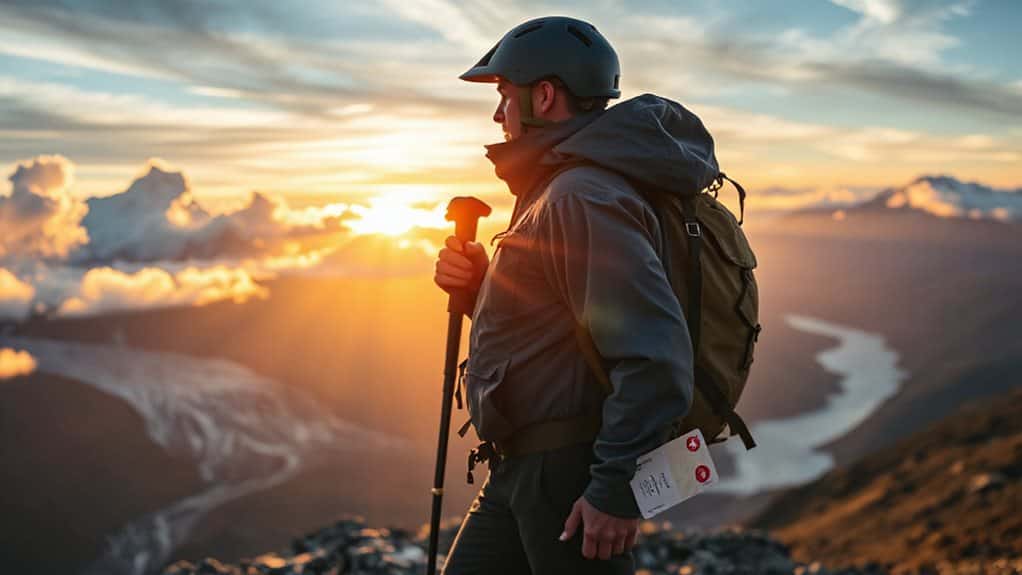
What should you look for when choosing adventure‑trip insurance? Check that the policy lists your sport—mountain climbing, scuba, kite surfing, or any of the 250+ activities. Verify medical expense coverage includes hospital, ICU, and emergency dental for amateur injuries. Ensure 24/7 emergency assistance covers rescue, extraction, and crisis response. Look for trip protection that reimburses cancellations, interruptions, and missed connections. Finally, confirm gear and baggage limits match your equipment value. Adventure sports coverage removes exclusions for covered activities. Travelers should also confirm rules for transporting gear like hiking poles, including whether they must be packed in checked luggage.
Compare Medical and Evacuation Limits for Adventure‑Trip Insurance?
You’ll want to compare the medical coverage caps each plan offers, because a higher limit can protect you from costly hospital bills after a trek injury.
Look at the evacuation benefit levels, since some policies provide up to $8 million for air transport while others top out at $500 k, which can make a big difference in remote locations.
Finally, check the adventure activity limits to guarantee the policy covers the specific sports you plan to do, as exclusions can reduce the effective protection despite generous overall caps.
Also consider policies that include generous evacuation limits and durable benefits similar to travel gear rated for high capacity and reliability.
Medical Coverage Caps
When you compare medical and evacuation limits for adventure‑trip insurance, the numbers matter as much as the coverage details. World Nomads caps range from $100,000 on the Standard plan to $250,000 on the Epic plan, while premium options like IMG Patriot Platinum reach $8 million. Aim for at least $100,000 to cover hospital stays, and consider higher caps if you’ll trek remote trails or climb.
Evacuation Benefit Levels
How much evacuation coverage do you really need for a high‑altitude trek or a polar expedition? You should aim for at least £1 million in emergency transport, because helicopter rescues from glaciers can exceed £50 000 and repatriation from remote regions often reaches six figures. Medical caps typically sit between $100 000 and $250 000, while evacuation limits can hit $1 million, ensuring you’re covered for air or ground rescue to the nearest hospital and home.
Adventure Activity Limits
If you’re planning a high‑risk trek or a remote expedition, the limits on medical and evacuation coverage become the core of your insurance decision.
Tin Leg Adventure offers $100 k medical and $1 M evacuation, while Tin Leg Gold raises those to $500 k and $500 k.
AdrenalineCare caps medical at $50 k but provides $750 k evacuation.
Travel Guard Deluxe tops out at $150 k for both, plus optional upgrades.
Higher limits generally suit extreme sports.
Arch RoamRight vs. World Nomads: Hazardous‑Sports Coverage Showdown
What really matters when you compare Arch RoamRight and World Nomads for hazardous‑sports coverage is which policy actually includes the activities you plan to do and under what conditions. Arch RoamRight’s hazardous‑sports add‑on covers bungee, parachuting and skydiving, but you must upgrade for thrill‑seeking pursuits.
World Nomads lists over 250 sports, including bungee, skydiving, whitewater rafting and rock climbing, with scuba, skiing and surfing in Standard and Explorer plans.
Both offer 24/7 emergency aid, yet Arch RoamRight requires purchase before departure, while World Nomads lets you extend coverage while traveling. Ground shipping rates for heavy gear can be considerably lower than express, so consider shipping bulky equipment ahead to avoid fees.
Family‑Friendly Value: Complimentary Child Coverage & Group Discounts
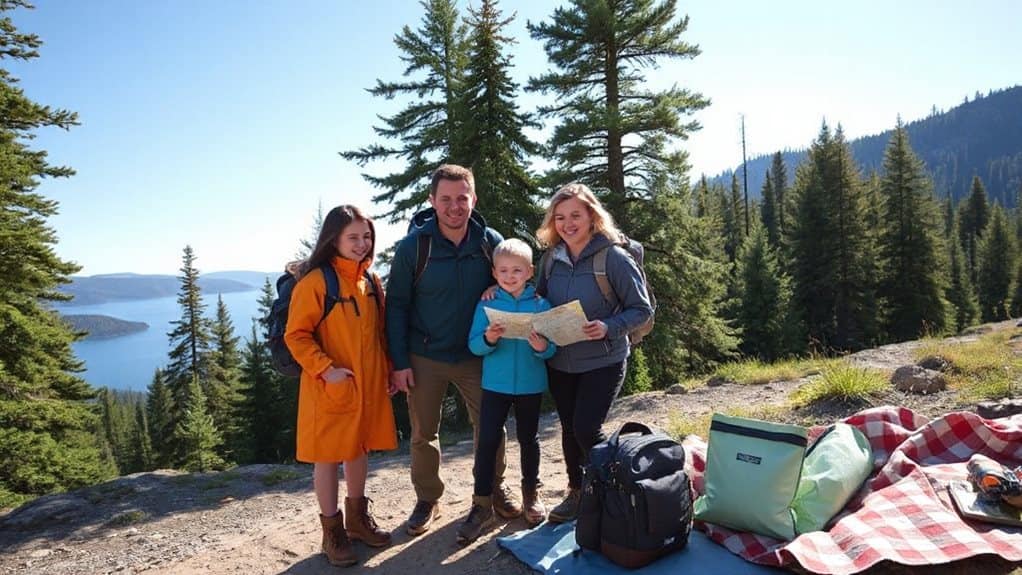
You’ll find that many policies now include complimentary child coverage, so you can protect kids without buying separate plans.
At the same time, group discounts can shave roughly 10 % off the total cost when you travel with a larger party.
Combining these perks means you often save hundreds of dollars compared with purchasing individual policies for each family member.
For added peace of mind on adventure trips, consider choosing policies that advise on TSA‑approved packing to help avoid trip disruptions during security screening.
Child Coverage Included
Why worry about extra fees for your kids when many adventure‑travel policies already include free child coverage? You can add up to nine children per adult with TravelInsured FlexiPAX, or two under‑10 children with SafetyWing Essential, each receiving $250,000 medical, $100,000 evacuation, and $1,000 dental limits.
Most plans require children to travel with an adult, stay under 17, and match the adult’s trip cost. Pre‑existing conditions and extreme sports remain excluded.
Group Discount Savings
Free child coverage is a strong selling point, but families can cut costs even further by tapping into group discount programs that many insurers offer. You can claim 20 % off a $100 premium, dropping it to $80, or enjoy a 5 % reduction on an $80 plan.
Employee, association, and affinity discounts work similarly. Annual multi‑trip plans average $397, less than $2 per day, and early‑bird group bookings lock in 10 % yearly savings. Compare quotes to maximize your family’s adventure budget.
Add‑ons That Protect Gear, Missed Flights, and Cancellations
Ever wonder how a single add‑on can shield your expensive gear, cover missed connections, and safeguard against unexpected cancellations? You can add gear protection to reimburse lost or damaged equipment, up to policy limits, and claim rental costs for delayed gear.
Missed‑flight benefits reimburse up to $500, while cancellation add‑ons cover non‑refundable expenses for flights, tours, and accommodations if emergencies arise. Airlines often require disclosure of visible tattoos during hiring, and many still prohibit visible tattoos while in uniform.
State Regulations That Affect Adventure‑Trip Insurance Eligibility

How do state regulations shape the eligibility of expedition‑trip insurance? In Arizona, you must register as a travel retailer with a licensed producer or obtain a limited‑lines business entity license. A responsible producer oversees compliance, and employees complete required training. Coverage limits depend on altitude, depth, and activity type, while exclusions prohibit excessive substance use, professional sports, and remote or unapproved routes. Minimum medical and evacuation amounts apply, and proof of coverage is required on the tour’s first day. Travelers should plan for varied seasonal conditions and activities across regions, including skiing and glacier trips, which can affect policy terms and coverage.
Single‑Trip vs. Annual Multi‑Trip Adventure‑Trip Insurance Plans
State regulations dictate who can sell adventure‑trip insurance, but the next decision you’ll face is choosing the right plan structure. A single‑trip policy gives you cancellation, delay and baggage coverage, higher limits and activity‑specific options, ideal for one or two journeys.
An annual multi‑trip plan focuses on medical protection, cheaper per trip if you travel three or more times a year, but limits per‑trip days and often lacks CFAR. Choose based on frequency, budget and needed benefits.
Decision Matrix: Match Adventure Type to the Ideal Insurer

Which insurer best fits your voyage depends on the activity’s risk profile and the coverage features you need. For scuba, World Nomads and IMG Patriot offer built‑in protection; Tin Leg adds high‑value evacuation.
Skiers benefit from World Nomads’ broad list or AXA’s lost‑day coverage.
Trekkers should eye Global Rescue’s no‑exclusion policy and Garmin SAR’s high‑altitude rescue.
Climbers and extreme‑sport fans match well with IMG Patriot, Global Rescue, or Arch RoamRight’s specialized add‑ons.
And Finally
When you pick adventure‑trip insurance, focus on medical and evacuation limits, verify that the policy covers your specific hazardous sport, and consider family or group discounts if relevant. Compare single‑trip and annual plans to match your travel frequency, and add optional gear protection or cancellation riders as needed. Keep an eye on state regulations that may affect eligibility, and use the decision matrix to align your activity with the insurer that offers the best overall coverage.