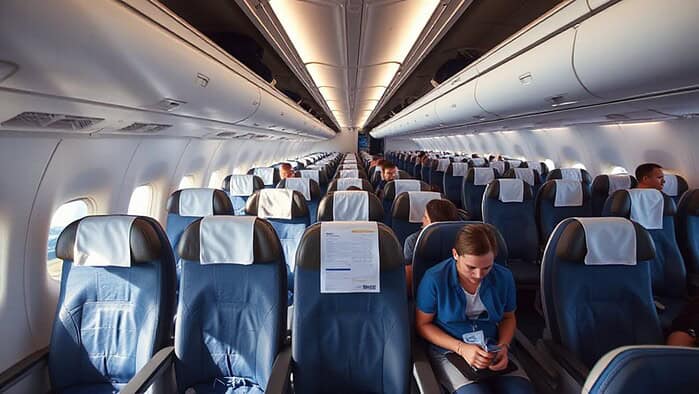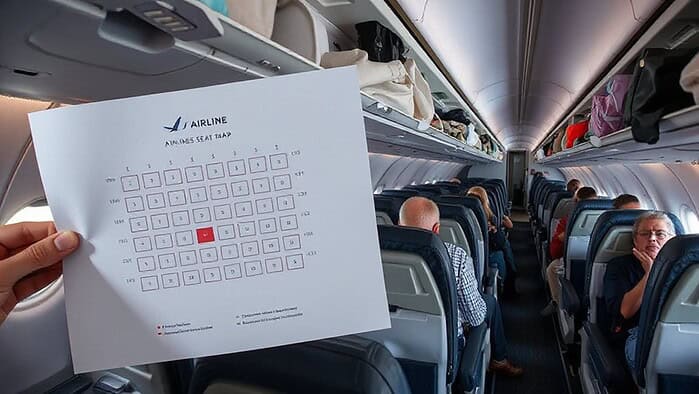
First rank your priority—window for views and a natural armrest, aisle for quick bathroom access, or extra‑legroom for comfort. Then match that to a 737‑800 map: bulkhead and exit‑row seats give the most space, while window‑aisle seats (A/F) avoid middle‑seat intrusions. Check the airline’s carry‑on limits (e.g., Delta’s 22 × 14 × 9 in) and use tools like AeroLOPA for real‑time availability before checkout. You can also swap seats using trade‑bait or pre‑assigned requests, and choose window seats two rows ahead of any passenger with a sneeze shield to lower COVID‑19 exposure. Continue for deeper details.
TLDR
- Prioritize seat type (window, aisle, extra‑legroom) based on personal comfort, bathroom access, and leg space needs.
- Choose bulkhead or exit‑row seats on a 737‑800 for added pitch, but weigh storage limits and proximity to noisy galleys.
- Use a reliable seat‑map tool (e.g., AeroLOPA) and check the airline app for real‑time open seats before checkout.
- Employ a trade‑bait strategy—offer family or special‑needs reasons—to negotiate swaps, especially to avoid middle seats on short flights.
- Opt for window seats ahead of any passenger with a sneeze shield to reduce COVID‑19 exposure, as airflow limits side‑to‑side particle spread.
Identify Your Travel Priorities: Window, Aisle, or Extra‑Legroom Seats
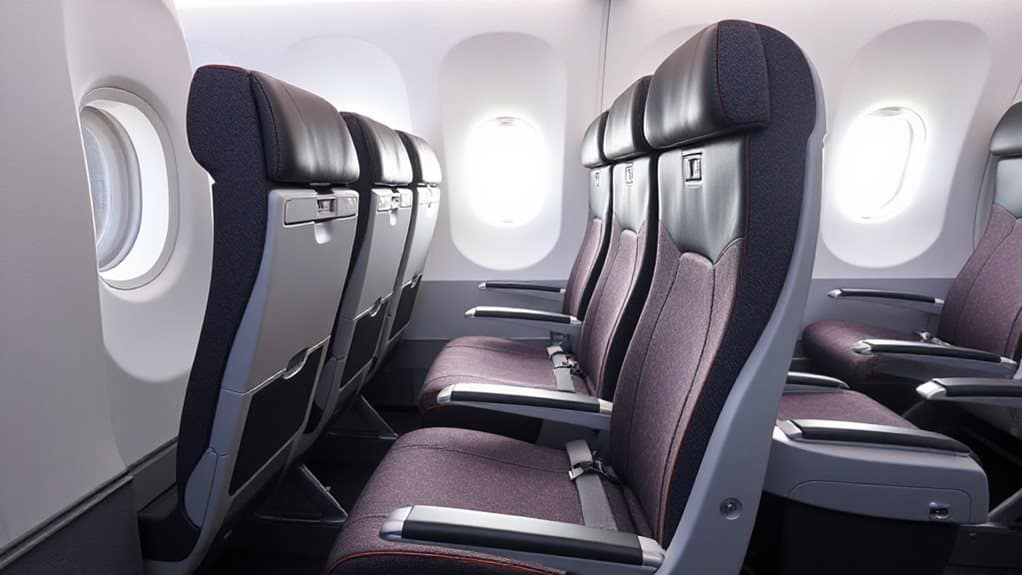
When you decide what matters most on a flight, start by ranking the three seat types—window, aisle, and extra‑legroom—against your personal needs.
A window seat gives you light, views, and a natural armrest, reducing anxiety and distractions.
An aisle seat offers quick bathroom access and easy movement.
Extra‑legroom seats, especially on JetBlue or Southwest, provide 32‑plus inches of pitch, easing leg strain on longer trips.
Choose based on comfort versus cost. JetBlue’s economy legroom is 32.7 inches compared to most airlines’ lower pitches.
Decode 737‑800 Seat Maps: Spot Bulkhead, Exit‑Row, and Window‑Aisle Hotspots
If you’re flying a 737‑800, knowing where the bulkhead, exit‑row, and window‑aisle hotspots sit can save you time and discomfort. Bulkhead rows give extra legroom but lack under‑seat storage and sit near noisy galleys. Exit‑row seats (rows 16‑17 on Alaska, 16A/F on Southwest) offer the most space and quick lavatory access. Window seats A/F avoid middle intrusions, while aisle seats D/C provide easy aisle access. Before you lock in your seat, make sure your carry‑on stays within Delta’s 22 x 14 x 9 inches limit to avoid last‑minute gate sizer checks that can derail your boarding flow.
Lock the Best Seat With Seatguru, Airline Apps, and Live Availability Before You Checkout
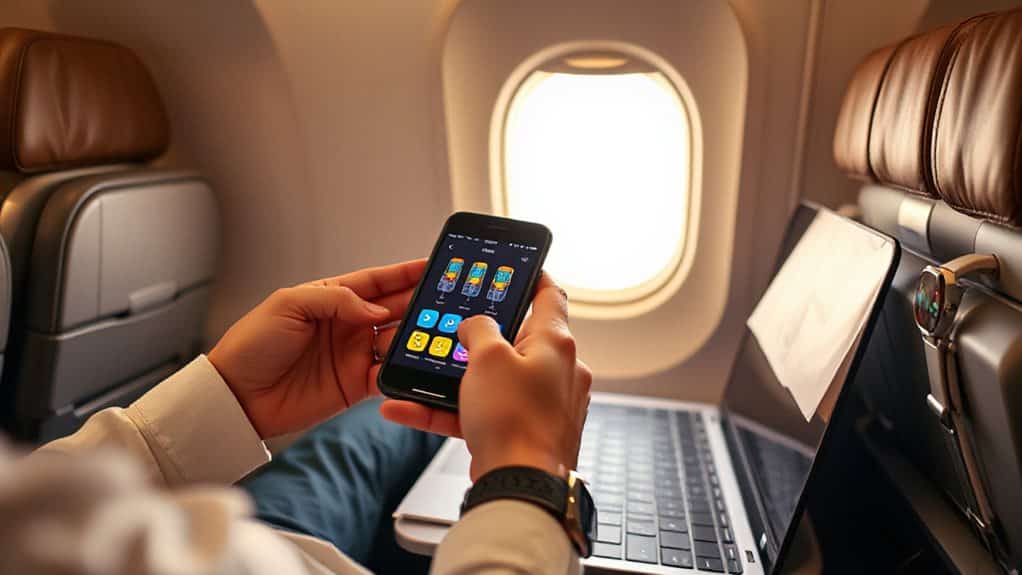
Even though SeatGuru has vanished, you can still lock the best seat by using its successor AeroLOPA, the airline’s own app, and live‑availability tools before you finalize your purchase. You can even plan ahead for TSA liquids-gels rules so your travel items don’t create surprises at security. Identify the aircraft type, open AeroLOPA’s detailed map, compare pitch and width, then switch to the airline app to see real‑time open seats. Select your preferred spot and confirm before checkout.
Swap Seats Smartly: Trade‑Bait, Empty‑Middle, and Pre‑Assigned Strategies
Because most travelers encounter seat‑swap requests—92 % in the last two years—you’ll want a clear plan for negotiating without offending fellow passengers or crew.
Use trade‑bait: offer family or special‑needs reasons, which 35 % and 31 % accept.
Avoid middle seats on short flights, where 37 % trade aisle for middle.
Cite legitimate needs for pre‑assigned seats, as 89 % expect retention.
Also, if you’re traveling with a neck pillow, remember that travel neck pillows are usually allowed as personal items and typically don’t count against the carry-on limit.
Reduce Covid‑19 Exposure With Low‑Risk 737‑800 Seats
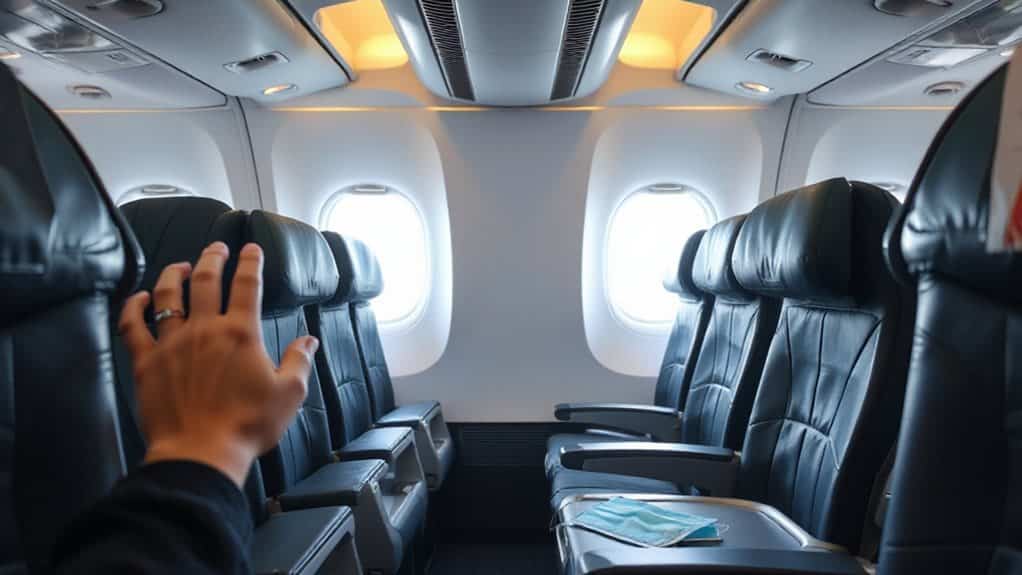
You’ve already learned how to negotiate seat swaps; now let’s look at which seats on a Boeing 737‑800 keep you safest from COVID‑19.
Choose a window seat two rows ahead of any passenger with a sneeze shield; airflow pushes aerosols rearward, limiting side exposure.
Avoid middle seats when shields are absent.
Full‑capacity flights with shields match reduced‑capacity risk, cutting inhalable particles by ~70 %.
And Finally
By assessing your priorities—window view, aisle access, or extra legroom—you can target the ideal 737‑800 seat. Use seat maps to locate bulkheads, exit rows, and aisle‑window combos, then lock the spot with Seatguru, airline apps, or live‑availability tools before you purchase. If you need to change, apply trade‑bait or empty‑middle tactics and pre‑assigned swaps. Finally, choose low‑traffic rows to lower COVID‑19 exposure, ensuring a safer, more comfortable flight.