
You might stick to crowded spots like Victoria Peak, but you’ll miss authentic experiences in Sham Shui Po or Tai O. Watch for left-side traffic and fast buses when crossing streets. Avoid pushy street vendors in Mong Kok—they’re often unlicensed. Download CityMapper and carry cash, since many small shops don’t take cards. Respect local customs like offering seats to elders. There’s more to find—and explore—with a bit more understanding.
TLDR
- Stick to crowded tourist spots like Victoria Peak and miss authentic local experiences in areas like Sham Shui Po and Tai O.
- Misjudge left-side traffic flow and overlook fast-moving buses, increasing pedestrian risks in busy districts.
- Fall for aggressive unlicensed street vendors in Mong Kok and Tsim Sha Tsui, risking poor-quality goods and legal issues.
- Skip essential apps like CityMapper, MTR Mobile, and OpenRice, leading to navigation and dining difficulties.
- Assume digital payments are universal, but many small vendors and taxis require cash—carry sufficient Hong Kong dollars.
Sticking Only to Popular Tourist Areas
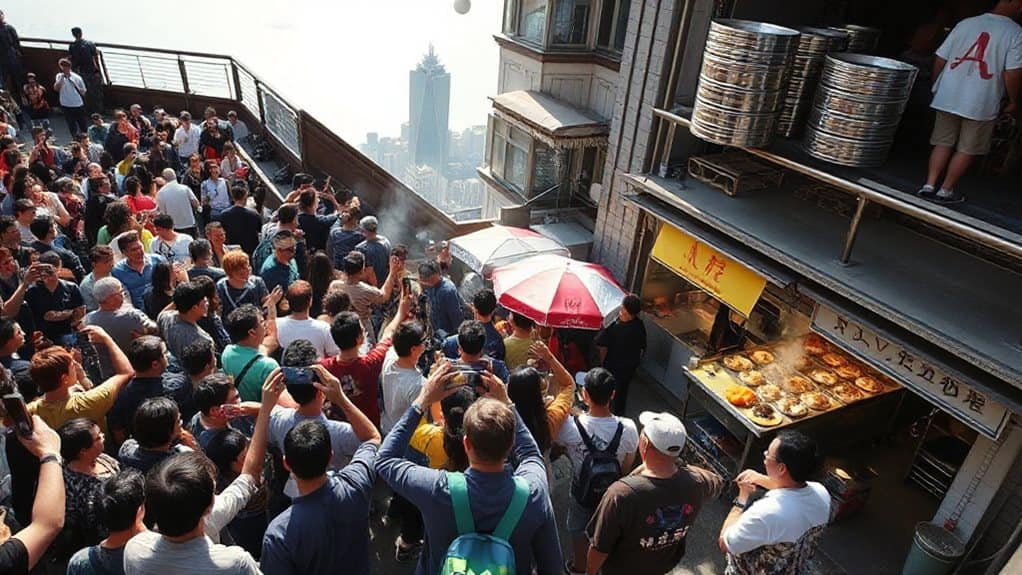
Why do so many first-time visitors to Hong Kong confine themselves to the same crowded hotspots?
You’ll miss authentic culture in places like Sham Shui Po and Tai O, where street food, stilt houses, and local life thrive.
Skip the crowds at Victoria Peak and discover Hap Mun Bay or Cherry Street Park instead. You can also take shorter hikes to Repulse Bay for quieter beaches and coastal views.
Hidden gems offer real experiences, from Tai Chi sessions to fishing villages—freedom awaits beyond the tourist trail.
Ferry access to outlying islands like Peng Chau offers a peaceful escape with minimal tourist presence and a lazy island vibe (ferry from Central Pier).
Misjudging Traffic Flow and Street Safety
You might forget that Hong Kong drives on the left, so always check traffic coming from your right when crossing.
Buses move fast, especially in congested areas like Central, and they often have the right of way.
Keep an eye out, stay alert, and don’t assume vehicles will stop, as pedestrian crossings aren’t always prioritized.
Public transit is excellent, so consider using the MTR/subway to avoid road traffic and busy streets.
Left-Side Driving Surprise
While steering Hong Kong’s busy streets, you mightn’t immediately notice how the flow of traffic differs from what you’re used to—until you step off the curb and realize cars are coming from the opposite direction.
You’ll see drivers on the right side, overtaking on the right, and roundabouts moving clockwise. These reversed patterns can trip you up, especially if you’re used to right-hand traffic. Stay alert—looking the wrong way before crossing is a common, dangerous mistake.
Watch for Speeding Buses
Often darting through traffic with little warning, Hong Kong’s buses move quickly and decisively, especially during peak hours.
With 339 accidents per 1,000 licensed buses in 2024, they’re the most accident-prone vehicles.
Though fatalities are low overall, their speed and size demand caution. Watch carefully at crossings, don’t assume they’ll stop, and stay alert—especially on busy roads where timing and space are tight.
Falling for Aggressive Street Vendors

You’ll likely encounter pushy street vendors, especially in tourist spots like Mong Kok and Sham Shui Po, where unlicensed hawkers often sell food and trinkets aggressively.
While bargaining is common in some markets, avoid engaging with sellers who block walkways or pressure you loudly—these tactics are red flags.
Instead, stick to licensed shops or official markets where prices are clearer and interactions more predictable.
Boat trips offer views of riverside life and markets, especially along the Chao Phraya River, where floating markets feature vendors selling from small boats.
Spot the Pushy Sellers
Watch out when stepping into busy tourist areas like Mong Kok or Tsim Sha Tsui—vendors often spring into action the moment they spot a hesitant glance. They’ll push “special deals,” block your path, or claim it’s the “last item,” even if stock is visible.
Groups may surround you. Avoid eye contact, say “no thanks” firmly, and walk away. Stick to licensed shops or malls, and move fast through crowded zones to stay in control.
Know Where to Bargain
Don’t be drawn in by the hustle of street vendors touting discounts in places like Mong Kok or Sham Shui Po—bargaining here isn’t a negotiation, it’s a trap.
These unlicensed hawkers operate illegally, with no legal status or oversight. Buying from them risks unsanitary food, supports public disruptions, and fuels tensions.
Authorities enforce zero tolerance, so avoid these setups and choose正规 retail spots instead.
Choose Trusted Alternatives
Steer clear of aggressive street vendors who pressure you into quick purchases, especially in tourist-heavy areas like Tsim Sha Tsui and Causeway Bay.
These sellers often push overpriced or low-quality goods. Instead, choose trusted alternatives like licensed shops, department stores, or official markets. They offer fair pricing and better quality.
Sticking to reputable spots gives you peace of mind and a more authentic, stress-free experience.
Skipping Essential Travel Apps and Tools
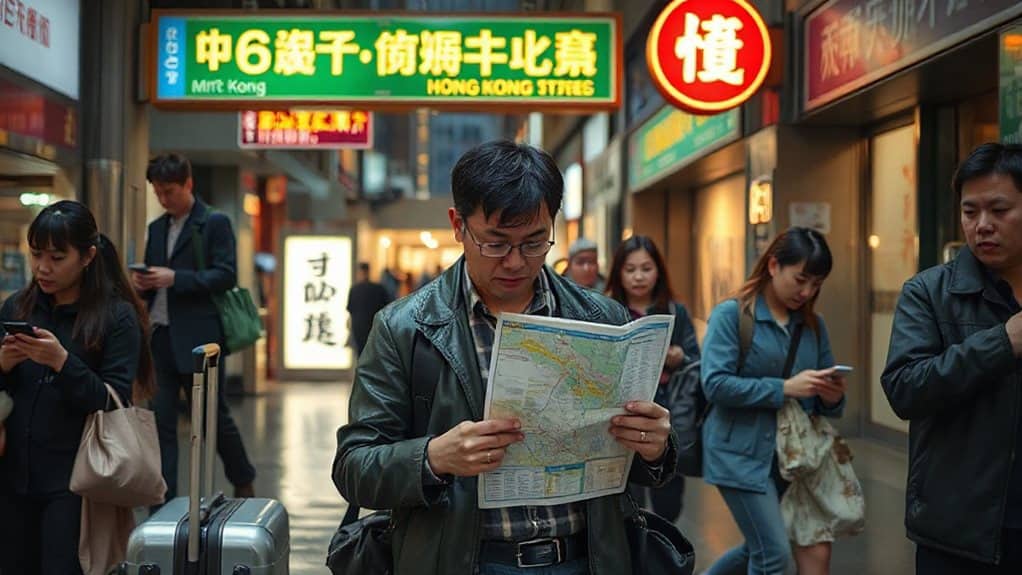
You’ll get much more out of your trip to Hong Kong by tapping into the city’s suite of travel apps, which streamline everything from transit to dining.
Skip unreliable maps—use CityMapper or MTR Mobile for real-time updates.
Download Octopus apps to pay seamlessly.
Save offline maps to avoid roaming fees.
Install OpenRice and The GULU for food spots.
Don’t overlook weather and safety tools like My Observatory.
Consider packing carry-ons that meet airline size rules to avoid gate-checking 22 x 14 x 9 luggage.
Underestimating Cash Needs and Local Shopping
Diving into Hong Kong’s lively shopping scene without enough cash in hand can quickly slow your momentum.
Many small eateries, street vendors, and taxis accept only cash, limiting your freedom to discover. Even with digital options like Octopus or Alipay, coverage isn’t universal. Plan ahead—withdraw reasonable cash and confirm currency exchange rates to avoid fees. Don’t assume e-payments work everywhere; staying flexible keeps your trek smooth. Rainy-season travel often brings quick downpours that can be a relief from heat and humidity, so pack accordingly and check forecasts before heading out to markets and street stalls rainy season.
Overlooking Cultural Norms and Practical Comfort
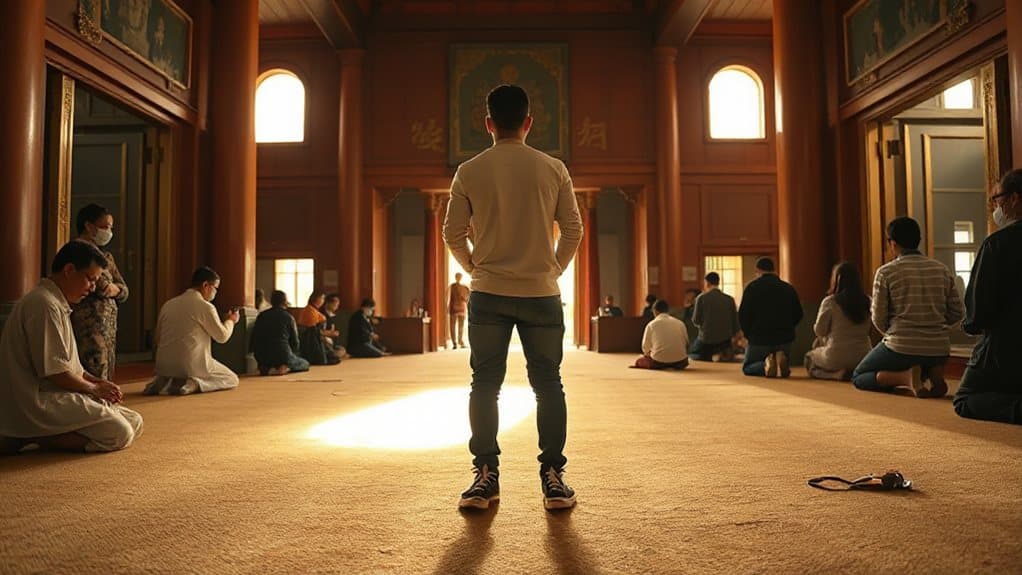
After sorting out your cash and finding your way through the lively markets, it’s just as important to tune into Hong Kong’s everyday rhythms to move through the city with ease. Stand on the right of escalators, let others exit first from trains, and avoid eating while walking.
Give up seats to elders, use both hands when giving items, and dress modestly at temples. Stay aware, follow local flow, and you’ll blend in smoothly. Visit an elephant sanctuary to learn about ethical wildlife tourism and animal welfare practices in nearby Thailand Elephant Sanctuary.
And Finally
You avoid common mistakes by exploring beyond tourist spots and staying aware in busy streets. You use trusted apps for routing and payments, but you still carry cash for small vendors. You respect local customs, dress comfortably, and stay alert around aggressive sellers. You prepare wisely, balancing convenience with cultural awareness, ensuring your trip runs smoothly from start to finish.


