
Stay alert and protect your money by checking ATMs for extra card readers or tape, using RFID‑blocking sleeves, and monitoring for strangers hanging nearby while you enter your PIN. Decline free gifts, bracelets, or petitions in crowded spots, as they’re distraction tactics for pickpockets. Verify tour operators and ticket sellers through official websites, look for HTTPS and clear contact details, and confirm pricing before you pay. Use trusted ride‑share apps, avoid cash‑only rides, and enable two‑fact or authentication on all accounts. If you keep these habits, you’ll discover even more ways to stay safe.
TLDR
- Verify tour operators, tickets, and vendors through official websites, government databases, and trusted review platforms before paying.
- Inspect ATMs and card readers for tampering; use RFID‑blocking sleeves and enable real‑time transaction alerts.
- Keep valuables hidden, use secure bags, and stay alert to distraction tactics like free gifts or petition “help” setups.
- Recognize phishing by checking sender domains, hovering over links, and confirming offers via official airline or hotel apps.
- Enroll in travel safety programs (e.g., STEP), share itineraries with trusted contacts, and have emergency contact info readily accessible.
Identify the 9 Most Common Travel Scams

What’re the nine most common travel scams you’ll encounter abroad? You’ll likely run into a variety of schemes, each designed to exploit tourists’ goodwill or distraction. You’ll see the free‑gift bracelet trick, petition or spilled‑substance ruse, fake tickets, friendly local or drink‑spiking ploy, luxury‑goods or gas‑money scam, plus pickpocket distractions, counterfeit currency offers, and bogus tour guides. Stay alert, verify sources, and protect your freedom to explore. Additionally, be aware of ATM skimming devices that can steal your card details at foreign ATMs. Competition on popular routes can increase tourist volumes and make crowded spots prime targets for scammers, so remain cautious in crowded hubs.
Spot Travel‑Scam Red Flags on ATMs & Card Readers
When you approach an ATM, first scan the machine for any bulky or loose card readers, tape residue, or unusual dents that could indicate tampering.
Next, compare the reader’s color and alignment with nearby machines, tug gently on the slot, and make sure the keypad sits straight and snug.
Finally, keep an eye on people nearby—if someone lingers or tries to distract you while you enter your PIN, step away and use a different machine.
Be especially cautious in busy transit hubs where distraction tactics and opportunistic thefts are common.
Physical ATM Inspection Tips
If you spot an ATM that looks well‑lit, busy, and monitored by security cameras, you’re already reducing the risk of a scam, but you still need to inspect the machine before inserting your card. Look for sticky residue, crooked or damaged parts, and loose attachments on the card slot. Test the keypad for unusual resistance and ensure no false front covers the slot. Trust your instincts; leave if anything feels off.
Secure Card Reader Practices
A secure card reader is your first line of defense against travel‑scam fraud, so you should treat every ATM and point‑of‑sale terminal as a potential threat until you verify its integrity.
Use RFID‑blocking sleeves, enable real‑time transaction alerts, and lock your card instantly via the issuer’s app if anything looks odd.
Memorize your PIN, shield the keypad from on‑lookers, and always verify the machine’s physical condition before inserting your card.
Notify your bank of travel plans and use multifactor authentication for any online access.
Avoid Street‑Level Travel‑Scam Tricks (Free Gifts, Bracelets, Petitions)

You’ll often see strangers offering “free” gifts, bracelets or petition sheets that seem harmless but are designed to distract you.
When a bracelet is tied tightly or a petition is handed over, the scammer creates a moment to pickpocket your valuables, so a firm “no thanks” prevents the trick from starting.
Staying alert and refusing any unsolicited items lets you keep your belongings safe while you enjoy the sights.
In some cities these tactics are tied to organized street scams that can escalate into demands for money or theft.
Free Gift Distractions
Do you notice a friendly stranger offering a flower or a bracelet on a thriving European street, only to ask for money once you accept? You should decline instantly and keep your wallet hidden. Scammers use the free item as a distraction while an accomplice pickpockets.
The tactic works best in crowded tourist spots across Italy, Spain, France, and Germany. Stay alert, walk away, and protect your belongings.
Bracelet Offer Tactics
Ever wondered why a friendly stranger suddenly tosses a bracelet at you on a thriving European street? Scammers start with banter, ask where you’re from, then fling a “free” bracelet to grab attention. They tie it on forcefully, distract you, and demand a donation. Decline any gifts, keep walking, and avoid wrist contact. Stay alert for accomplices and don’t engage.
Petition “Help” Ruses
Why do tourists often stop for a clipboard‑held petition in busy squares? You’ll see a smiling woman ask, “Do you speak English?” and hand you a vague charity petition. While you sign, accomplices block exits and pickpocket. Keep hands in pockets, decline politely, and walk away. Report the incident to local police, and share alerts online to protect fellow travelers.
Don’t Get Fooled by Fake Attraction Tickets
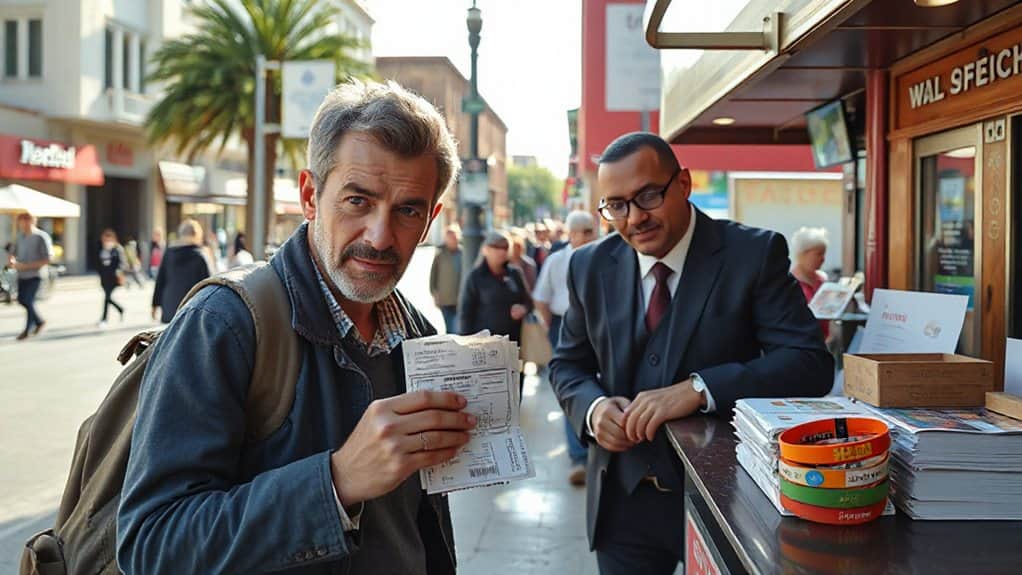
How can you tell a genuine ticket from a fake one before you reach the gate? Buy only from official counters or verified websites, and skip strangers offering “extra tickets” in lines. Check the ticket’s design, barcode, and price—official tickets rarely cost dramatically less. Verify validity at the gate, and research entry rules beforehand to protect your freedom and money. Always validate transit tickets properly by tapping your card or phone on the purple sensor to avoid fines and ensure your fare is correct.
Verify Tour Operators & Booking Sites for Travel‑Scam Protection
Do you know exactly how to verify a tour operator or booking site before you hand over your money? Search government or tourism authority databases for the business name and license number, then cross‑check certifications on official platforms. Scan recent Google, TripAdvisor, or Trustpilot reviews for authenticity, and Google the company plus “scam.” Verify the URL uses HTTPS, displays a physical address, and that contact emails resolve correctly. Look for USTOA, ATTA memberships, press mentions, and transparent pricing without hidden fees. Request written itineraries, invoices, and clear communication before paying. Hotels often place a temporary incidental hold on your card at check‑in, so confirm their payment and refund policies in advance.
Navigate Taxi, Ride‑Share & Car‑Rental Travel‑Scams Safely
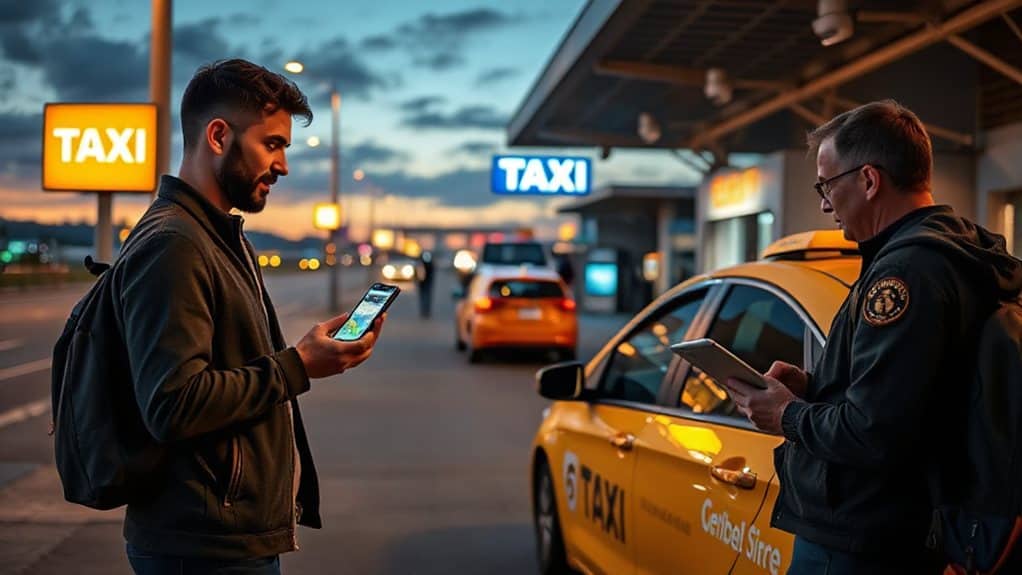
Where can you spot the red flags before you step into a taxi, rideshare, or rental car? Look for unmarked vehicles, drivers refusing the meter, or cash‑only demands, especially at airports in Turkey, Thailand, Spain, Italy, or Vietnam. Use verified ranks, app PIN codes, and pre‑booked transfers. Confirm fares upfront, check real‑time routes, and keep hotel contacts for trusted bookings. Measure your bags carefully and ensure any personal item fits the airline’s strict size requirements to avoid unexpected fees.
Phishing Scams: How to Spot, Verify, and Respond?
After securing a trustworthy taxi or rental, the next threat you’ll face is phishing, which targets travelers through emails, texts, and messaging apps that look like legitimate airline, hotel, or travel‑agency communications. Check sender domains, hover over links, and verify through official sites or apps. Avoid clicking unknown links, use HTTPS pages, and report suspicious messages. Enable two‑factor authentication, monitor accounts, and freeze cards if fraud appears.
Watch for Friendly‑Local & Bag‑Watching Travel‑Scams
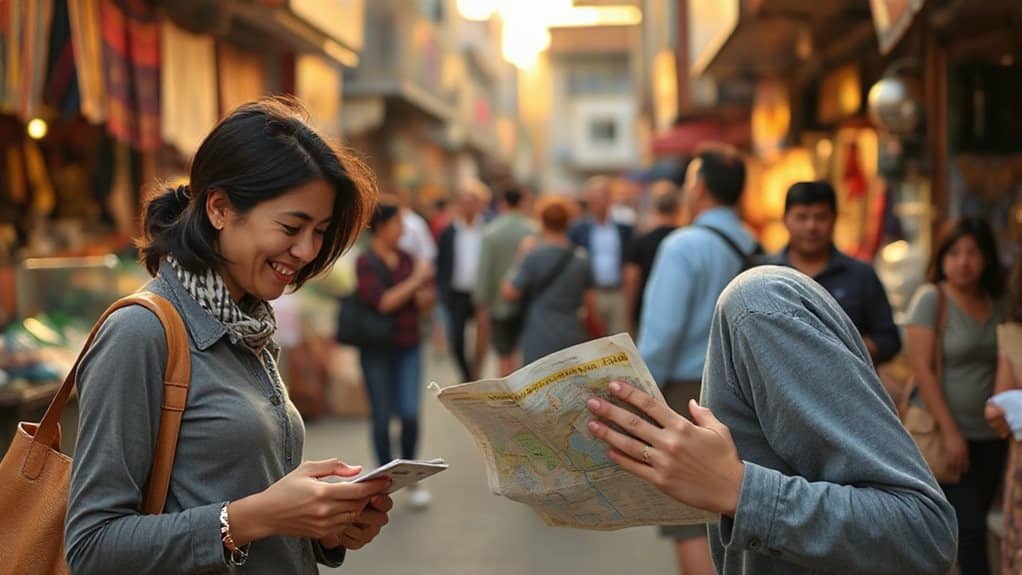
Ever wondered why a seemingly friendly stranger suddenly appears in a crowded market offering to watch your bag? Stay alert: politely decline unsolicited help, keep your bag in front, zip it closed, and keep hands on it.
If someone offers to guard it, walk away.
Trust instincts, avoid distractions, and verify any local guide before accepting assistance.
Create a 9‑Step Travel‑Safety Checklist
How can you ensure you’re prepared for every possible hiccup before you even leave home? Verify passport validity, secure visas, and copy essential documents. Schedule a medical check‑up, get vaccinations, and pack labeled meds with extra supply. Notify banks, bring an ATM card, and leave unused cards at home. Enroll in STEP, share itinerary, and download the SOS app. Assemble a first‑aid kit and label belongings.
And Finally
By staying alert and following the nine‑step checklist, you’ll reduce the odds of falling victim to travel scams. Verify tickets, tour operators, and ride‑share services before you commit. Keep an eye on ATMs, card readers, and unsolicited “free” offers. Use trusted booking sites, confirm taxi fares, and protect your personal data from phishing. With these practical habits, you can enjoy your trip while keeping your money and belongings safe.


