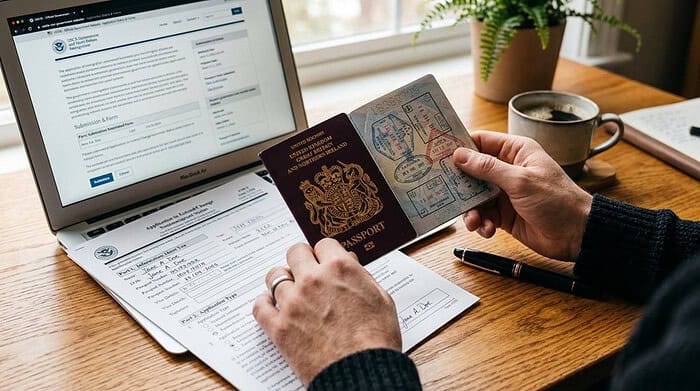
If you overstay your visa in the U.S., you risk facing legal penalties like deportation, a re-entry ban, or future visa restrictions. Even a few days past the authorized period can cause unlawful presence, which affects your ability to return legally. Longer overstays may lead to bans of 3 or 10 years, making future travel difficult. Acting quickly to address the situation can help avoid severe consequences—exploring your options could prevent lasting impacts.
TLDR
- Overstaying your visa can lead to unlawful presence and legal penalties, including deportation.
- Staying beyond your authorized period may trigger re-entry bars of 3 or 10 years.
- Overstay can negatively impact future visa applications and immigration benefits.
- Re-entry bans start after departure and depend on the length of overstay.
- Seeking legal advice promptly can help explore options to mitigate penalties and legal issues.
What Is a Visa Overstay and How Do You Know If You Overstayed
A visa overstay happens when you remain in a country beyond the date indicated on your Form I-94 or visa. You can identify if you’ve overstayed by checking your I-94 record online, on your passport stamp, or sticker. Overstaying means staying after your authorized stay, which can lead to unlawful presence and legal issues, even if it’s just a few days. Every airplane seatbelts can be extended if needed, but it doesn’t change immigration rules if your stay is not authorized.
Risks and Consequences of Overstaying Your Visa
Overstaying your visa can lead to serious legal penalties, including deportation and bans on re-entry that can last several years. These consequences also affect your ability to travel in the future, making it more difficult to obtain visas or enter other countries. Understanding these risks helps you make informed decisions about your stay in the U.S. Always keep your phone secure and stay alert in crowded areas can help you avoid added stress from scams while you’re in transit.
Legal Penalties and Repercussions
Remaining in the United States beyond your authorized stay can lead to serious legal consequences. Unlawful presence may result in a re-entry bar of 3 or 10 years, depending on how long you’ve overstayed.
You could face deportation, removal proceedings, and higher scrutiny on future visa applications. Violating lawful presence also risks visa cancellations and increased enforcement actions.
Impact on Future Travel
Have you ever wondered how overstaying your visa might affect your ability to travel to the United States in the future? Overstaying a visa can lead to a re-entry bar, making you inadmissible for years and complicating future travel.
Unlawful presence impacts your immigration status, often resulting in visa cancellations and increased scrutiny during visa applications or re-entry, especially if you face a re-entry bar.
How Overstaying Can Affect Your Immigration Status and Future Benefits

When you stay in the U.S. beyond your authorized period, you start accumulating unlawful presence. This can considerably impact your immigration status.
An overstay can lead to bars from reentry, making you ineligible for future visa applications or adjusting status. It may also result in deportation and loss of immigration benefits, including work authorization and public access.
Overstaying may also trigger airline policy style enforcement issues in the sense that entry and travel-related rules can be applied differently by airlines, airports, and immigration authorities, so outcomes may vary by situation.
Understanding Re-Entry Bars and Penalties for Visa Overstays
Understanding re-entry bars and penalties for visa overstays is essential because these restrictions can considerably impact your ability to return to the U.S. in the future.
Overstaying your visa and accumulating unlawful presence trigger re-entry bars—3 years for stays over 180 days, and 10 years for stays over a year.
These bars start after departure, often leading to visa cancellations and future visa denials, affecting your lawful stay and opportunities.
Because London costs can be high, careful planning is especially important so you don’t risk overstaying while traveling for an extended trip.
What To Do If You Overstay: Your Options and Next Steps
If you realize you’ve overstayed your visa, it’s essential to seek legal advice as soon as possible to understand your options and potential consequences. Exploring options like applying for an extension or change of status before your authorized stay ends can help minimize issues. Additionally, acting promptly and maintaining documentation of your reasons for the overstay can improve your chances of avoiding re-entry bans or other penalties. Also, if your overstay is recent, consider asking your lawyer about whether airport security procedures or consular processes could affect your travel plans while you resolve the issue.
Seek Legal Advice Quickly
Seeking legal advice as soon as possible is essential if you’ve overstayed your visa because early consultation with an immigration attorney improves your chances of exploring options like waivers or extensions.
Addressing unlawful presence promptly can prevent re-entry bars of 3 or 10 years.
An attorney can guide you through relief measures and help you steer the complex immigration process effectively.
Explore Visa Extension Options
You can potentially extend your stay in the U.S. by applying for a visa extension before your I-94 expiration.
To do this, you need to file Form I-539, which helps you avoid unlawful presence.
If approved, your legal status extends retroactively.
Applying on time is essential; missing the deadline may require consulting an immigration attorney for options.
Your Rights as an Overstayer in the U.S
Overstaying a visa doesn’t mean losing all your rights in the United States. As an overstayer, you still have access to emergency services, police, fire, and ambulance, regardless of your immigration status. You can also take steps to manage your situation while keeping essential daily costs predictable, similar to how Hong Kong budgeting relies on clear, realistic spending ranges. You can send your children to public school until age 16 and apply for relief if you qualify. However, unlawful presence may limit some benefits and protections.
How to Prevent Overstaying Your Visa and Stay Compliant

To prevent overstaying your visa and stay compliant, you must monitor your authorized stay carefully. Check your Form I-94 regularly and leave before it expires.
If you need more time, apply for an extension or change of status before your authorized stay ends.
Avoid unlawful presence, as overstaying beyond 180 days can lead to re-entry bars.
And Finally
Overstaying your visa can lead to serious consequences, including penalties, re-entry bars, and future immigration challenges. It’s vital to understand your visa’s expiry date and adhere to it or seek legal advice if your plans change. If you realize you’ve overstayed, consider your options promptly to minimize penalties. Staying informed about your rights and maintaining compliance helps protect your ability to visit or stay in the U.S. legally in the future.