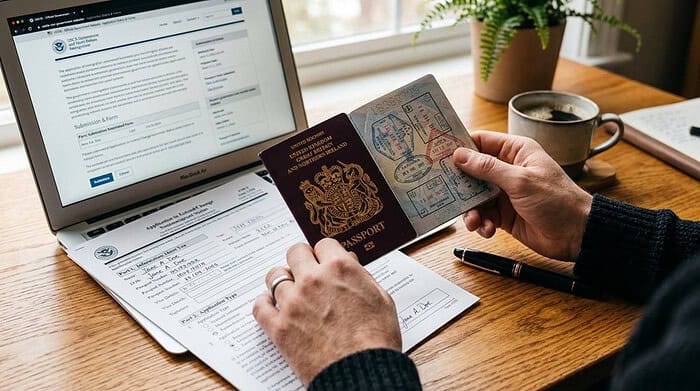
Travel insurance that covers pre-existing medical conditions generally requires you to purchase the policy within 14-15 days of your trip deposit and declare your health issues honestly. Coverage depends on your medical stability during the look-back period, which varies by insurer. To qualify for waivers, you must insure non-refundable costs, get medical confirmation, and meet timing rules. If you keep these factors in mind, you can better protect yourself—continuing forward will clarify how to guarantee your coverage fits your needs.
TLDR
- Purchase travel insurance early, within 14-15 days of trip deposit, to qualify for pre-existing condition coverage or waivers.
- Fully disclose all relevant medical history and conditions to ensure coverage eligibility and avoid claim denials.
- Confirm the insurer’s look-back period (typically 60-180 days) and stability rules for pre-existing conditions.
- Obtain a medical clearance from a doctor confirming travel is medically feasible before purchasing.
- Review policy details for coverage limits, exclusions, and whether a waiver for pre-existing conditions is offered.
What Is a Pre-Existing Medical Condition in Travel Insurance?

A pre-existing medical condition in travel insurance refers to any health issue diagnosed, treated, or worsened within a look-back period, often 60 to 180 days before buying a policy.
It includes symptoms or medications from recent medical history, even without formal diagnosis.
Accurate disclosure is crucial to guarantee coverage, eligibility, and any potential waiver within coverage limits.
seat belt extenders are available onboard if a traveler’s seat belt doesn’t fit properly, though this is separate from how medical conditions are handled by a travel policy.
Do I Qualify for Pre-Existing Condition Coverage?
Determining if you qualify for pre-existing condition coverage depends on several factors, including when you purchase within the initial 14 to 15 days of your trip deposit.
It also depends on whether your medical history shows a stable condition during the look-back period, which is typically 60 to 180 days.
Meeting eligibility requirements, declaring conditions accurately, and possibly obtaining a waiver influence your coverage.
Look-back period definitions and stability rules can vary by insurer, so it’s important to confirm the exact timeframe and documentation requirements for your policy.
How Do Travel Insurance Policies Cover Pre-Existing Conditions?
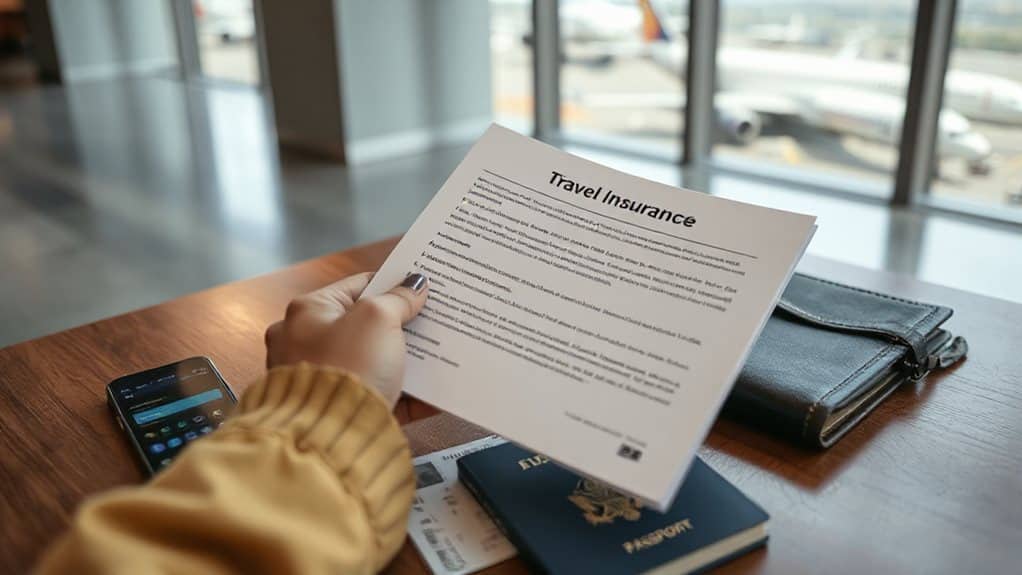
Travel insurance policies typically determine coverage for pre-existing conditions based on specific eligibility criteria, including the timing of your purchase and the stability of your health.
If your condition was stable within a certain look-back period, and you buy the policy within the required window, you may qualify for coverage or a waiver.
It’s vital to review the policy details carefully, declare all relevant medical issues accurately, and act within the designated timeframe to guarantee your pre-existing conditions are covered.
Airlines set prices using real-time dynamic pricing to adjust fares based on demand and booking patterns.
Coverage Eligibility Criteria
How do travel insurance policies determine if pre-existing medical conditions are covered? They rely on coverage eligibility criteria, including a look-back period typically ranging from 60 to 180 days, during which no worsening occurs.
To qualify, you must purchase the policy early, disclose medical details truthfully, demonstrate medical stability, and often meet waiver qualification within 14 to 21 days of trip deposit.
Impact of Condition Stability
The stability of a pre-existing medical condition plays an essential role in determining whether it will be covered by travel insurance. Policies typically require condition stability at the time of purchase, considering the look-back period to assess health status.
If a condition worsens or was unstable during this period, coverage exclusion applies. But a stable medical condition usually qualifies for travel medical coverage.
Timing for Purchase
Purchasing your travel insurance promptly after booking your trip is crucial if you want to secure coverage for pre-existing medical conditions.
To qualify, you generally need to buy within 14 days of the initial trip deposit, meeting the lookback period and medical fit requirements.
Early purchase helps guarantee coverage eligibility before the policy deadline, meeting qualification standards.
How to Meet the Requirements for Coverage Waivers

To qualify for a coverage waiver for pre-existing conditions, you need to meet several specific requirements. Purchase your plan within 15 days of your trip deposit, declare all pre-existing conditions accurately, and insure all non-refundable trip costs at purchase. Confirm you’re medically able to travel with a doctor’s medical confirmation, and select a plan that explicitly offers a pre-existing coverage waiver. TSA umbrella inspections may still apply at airport security, so expect additional screening for certain umbrella sizes or pointed tips even if your trip is covered.
What Are the Main Benefits of Travel Insurance for Pre-Existing Conditions?
Travel insurance for pre-existing conditions offers several key benefits that can help protect you during your trip. It provides medical coverage for emergency medical expenses and medical evacuation if local healthcare facilities can’t meet your needs.
Additionally, coverage benefits include trip cancellation or interruption reimbursement if your stable condition worsens, along with assistance services for lost medications and travel documents. For adventure travelers with pre-existing conditions, it’s also smart to confirm your plan’s medical and evacuation caps are high enough for the level of risk tied to your activities.
Common Exclusions and Limitations You Need to Know
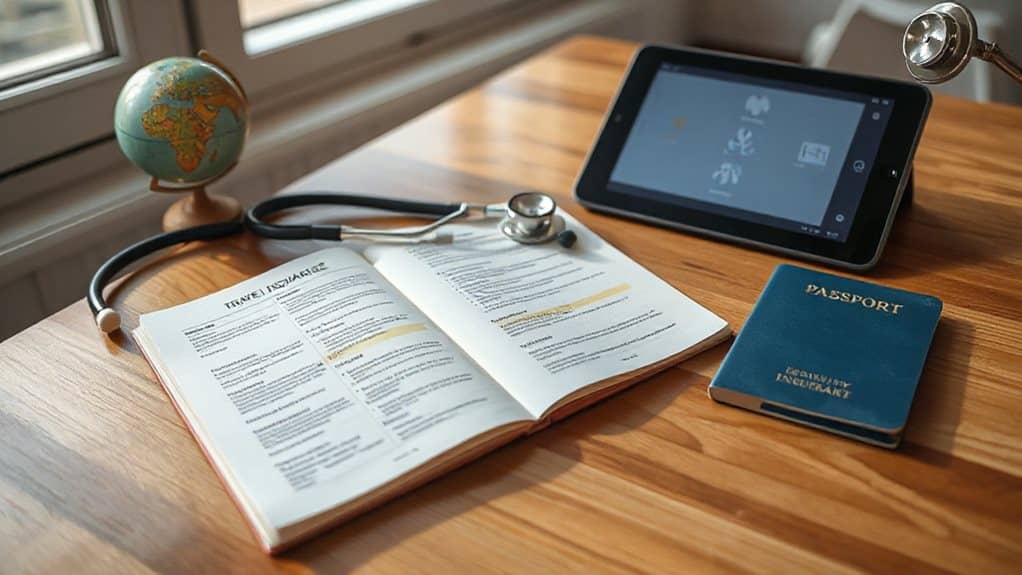
Understanding the common exclusions and limitations in travel insurance for pre-existing conditions is essential to managing your expectations and planning effectively.
Many policies exclude coverage for unstable pre-existing conditions or those that worsened within the look-back period, often 60 to 180 days.
Coverage caps, claim exclusions, and policy restrictions can limit medical emergency support or trip costs, affecting your eligibility.
Checked baggage limits can also create practical restrictions that impact how you pack and travel day-of, so it’s worth considering your broader travel logistics alongside insurance coverage.
Tips to Prepare and Secure Your Travel Medical Coverage
Preparing and safeguarding your travel medical coverage involves several proactive steps to guarantee you’re adequately protected, especially when managing pre-existing conditions.
To qualify for a condition exclusion waiver, purchase your travel insurance within 15 days of your initial deposit. Insure all non-refundable costs, and review coverage limits carefully.
Keep medical documentation accessible and consult your doctor before traveling.
And Finally
Understanding travel insurance for pre-existing conditions helps you make informed decisions before your trip. Review policy details carefully, especially coverage exclusions and requirements for waivers. Make certain your medical history is accurately disclosed to avoid denied claims. By selecting the right plan and following the necessary steps, you can protect yourself financially and medically. Being prepared minimizes surprises and provides peace of mind during your travels. Always compare options to find coverage suited to your specific health needs.