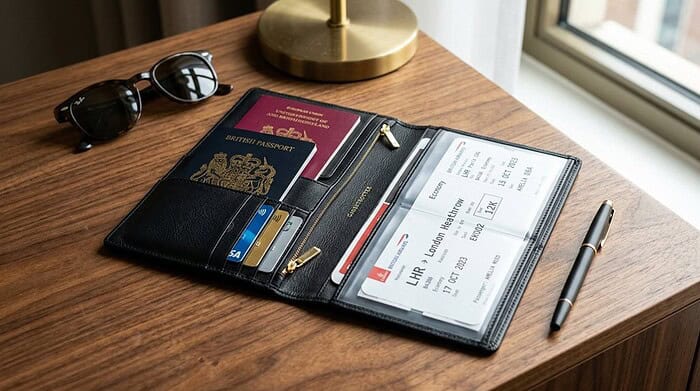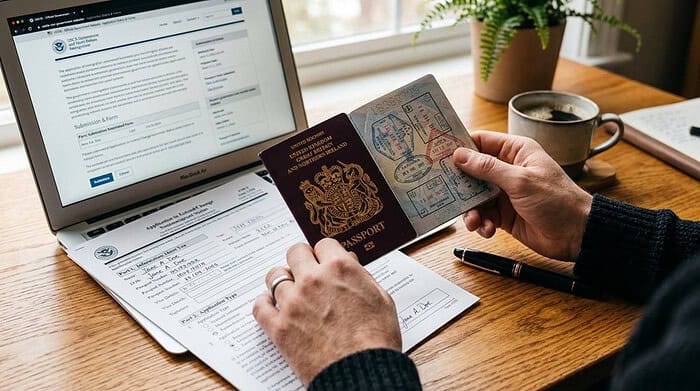
To prove onward travel at immigration, you should present confirmed tickets showing your departure within your allowed stay, such as a return or onward flight reservation. It’s best to use legitimate, verifiable bookings, like airline-provided e-tickets or travel agency confirmations, and keep both digital and printed copies handy. Ensuring your documents align with your travel plans helps avoid delays. If you want to learn how to prepare and present these proofs effectively, continue for more detailed guidance.
TLDR
- Prepare and carry confirmed, valid onward or return flight tickets or travel itineraries showing your future plans.
- Use reputable booking services that provide legitimate, cancellable, or refundable reservations as proof.
- Verify specific country requirements and carry both digital and printed copies of your travel documents.
- Ensure your documents are organized, accurate, and match your travel plans to avoid delays or refusal.
- Be transparent and ready to explain your travel plans clearly to immigration officers if asked.
What Is Proof of Onward Travel and Why Does It Matter?
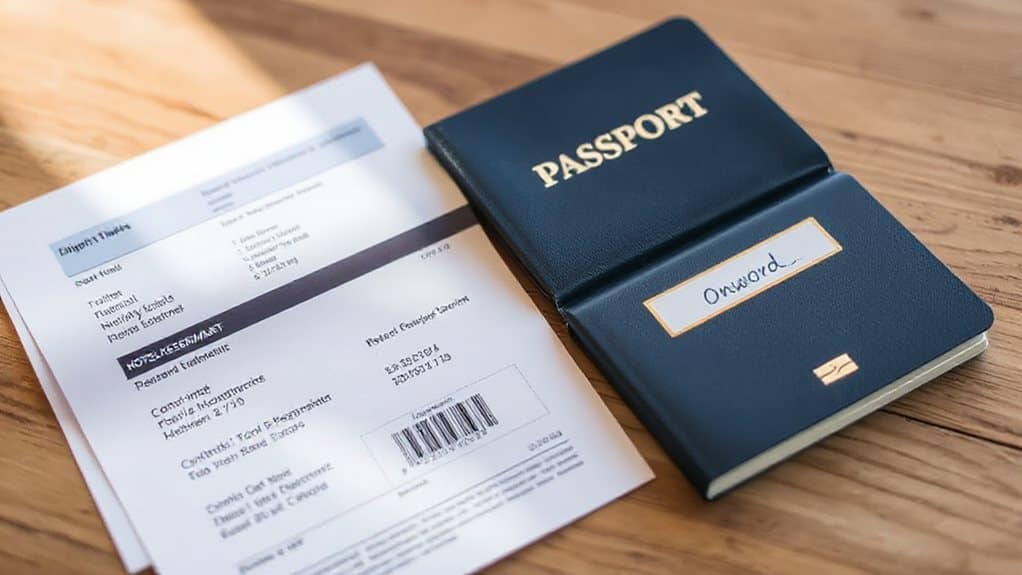
Proof of onward travel is documentation that shows you plan to leave a country before your allowed stay ends.
Immigration authorities require it to confirm your travel plans align with entry requirements and visas.
This proof, like return or onward tickets, helps prevent overstaying and illegal immigration.
Airlines and border officials verify it during check-in or passport control to guarantee compliance.
In practice, the requirement works similarly to how Reynolds number predicts a transition from stable to turbulent flow—both rely on measurable conditions to assess compliance and reduce risk.
Which Countries Require Travelers to Show Proof of Exit?
Many countries require travelers to demonstrate that they intend to leave before their permitted stay ends, but which nations enforce this requirement most strictly?
Countries like the UK, Costa Rica, New Zealand, and the Philippines explicitly ask for proof of exit at immigration checks to verify compliance with entry requirements.
Some, such as Malaysia and Maldives, enforce proof of exit more rigorously, especially during peak seasons or for certain visa types.
Additionally, seat belt extenders are commonly available from flight attendants if a passenger’s seat belt does not fit, which can affect how you prepare for travel logistics before immigration—though it does not change exit-proof rules at the border.
When Do Airlines or Immigration Officials Ask for Proof?
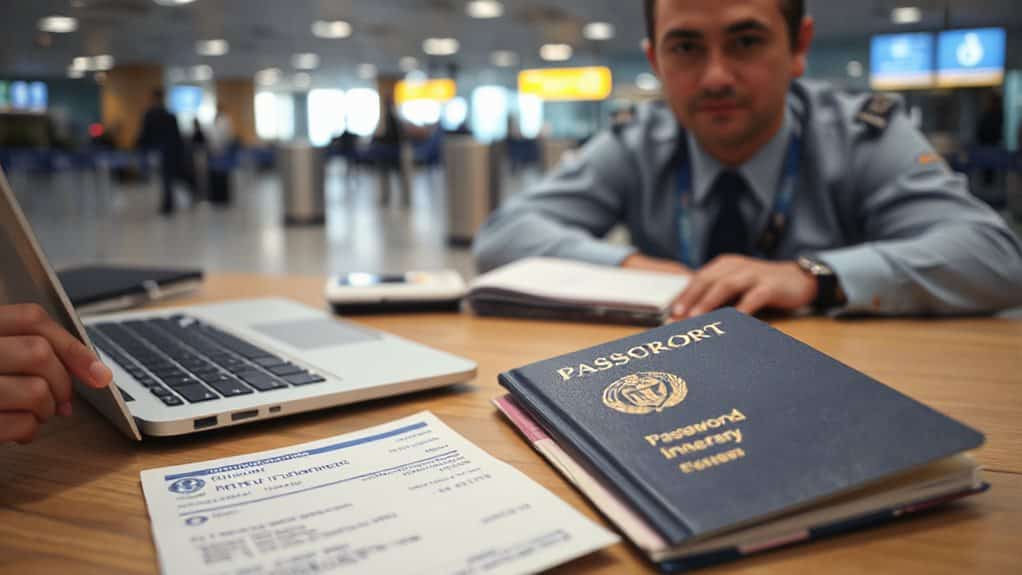
Airlines typically ask for proof of onward travel during the check-in process, especially if your ticket is one-way or looks suspicious.
Immigration officials may request this proof upon arrival, particularly if they suspect you might overstay or lack proper documentation.
The likelihood of being asked depends on the country’s entry policies, the airline’s procedures, and your specific travel circumstances.
For additional context, understand that busy transit zones are higher-risk areas for certain scams, but your onward-travel documents are still best prepared and kept ready for official checks.
Boarding Process Checks
Typically, airline staff check for proof of onward travel during the boarding process, although timing varies by airline and destination. They may request your onward ticket or travel documentation before boarding to verify you’ll leave after arrival.
Immigration checks can also occur at passport control, especially if the airline or country deems your proof of onward insufficient or questionable.
Border Control Requests
Border control officials or airline staff usually request proof of onward travel during key points in your passage, such as check-in or passport control.
Immigration officials may ask for travel documents or proof of onward to confirm your intent to leave.
Requests often occur with one-way tickets, long stays, or in countries like the UK and Maldives, especially if your onward flight or travel documents raise suspicion.
How Can You Legally Provide Proof of Onward Travel?
To legally provide proof of onward travel, you need to present documentation that clearly shows your intention and plan to leave the country within a specified timeframe. This can include a proof of onward travel, such as a refundable ticket or booking reservation indicating your departure date. Carry digital or printed copies for immigration, ensuring all details are visible and accurate, and if you’re planning a trip within Thailand you can also use your itinerary and transport plan (for example, Chao Phraya River ferries) to support when and how you’ll depart.
What Are the Best Ways to Book Refundable or Hold Tickets?
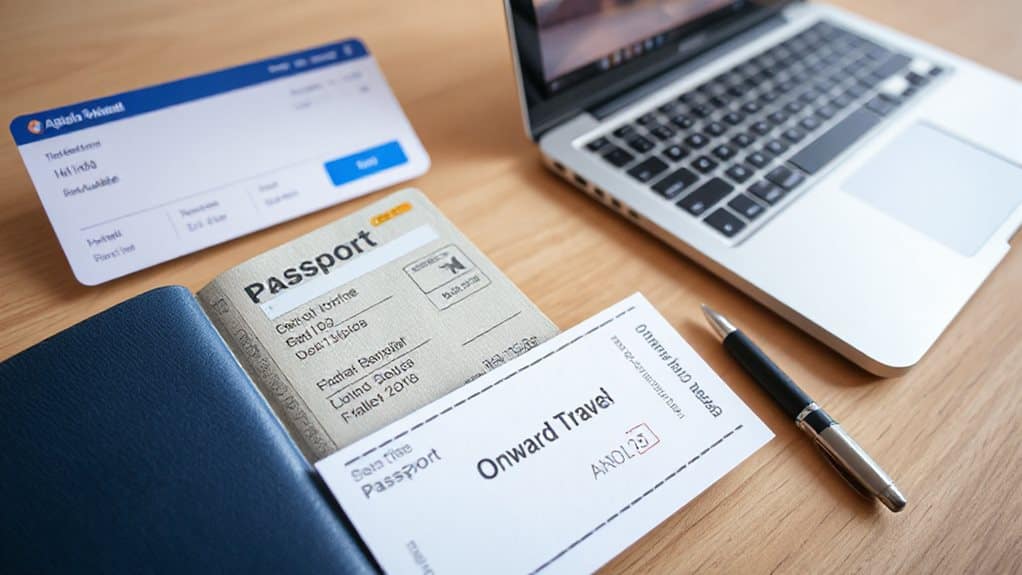
Booking refundable or hold tickets offers a flexible way to provide proof of onward travel without immediate commitment. Refundable tickets allow cancellation with full refunds within cancel policies, often 24 hours. Hold tickets enable reservation holds for 48-72 hours for a small fee. Both options demonstrate intent to depart while maintaining the freedom to change or cancel plans later—this can be especially useful if you’re also planning a budget trip that uses affordable local transport like BTS/MRT fares.
How Do Reliable Onward Ticket Services Work?
Reliable onward ticket services work by providing you with legitimate-looking flight reservations that can serve as proof of onward travel. These services generate an onward ticket with specific travel dates and reservation details, ensuring legitimacy. You can choose flexible options, and the reservation can be canceled or refunded within a set window, making it a practical solution for proof of onward. They’re commonly delivered with traveler-facing details that function much like a carry-on storage plan—specific, practical, and designed to match standard airline/airport expectations.
Are Fake Tickets and Falsified Proof Safe to Use?
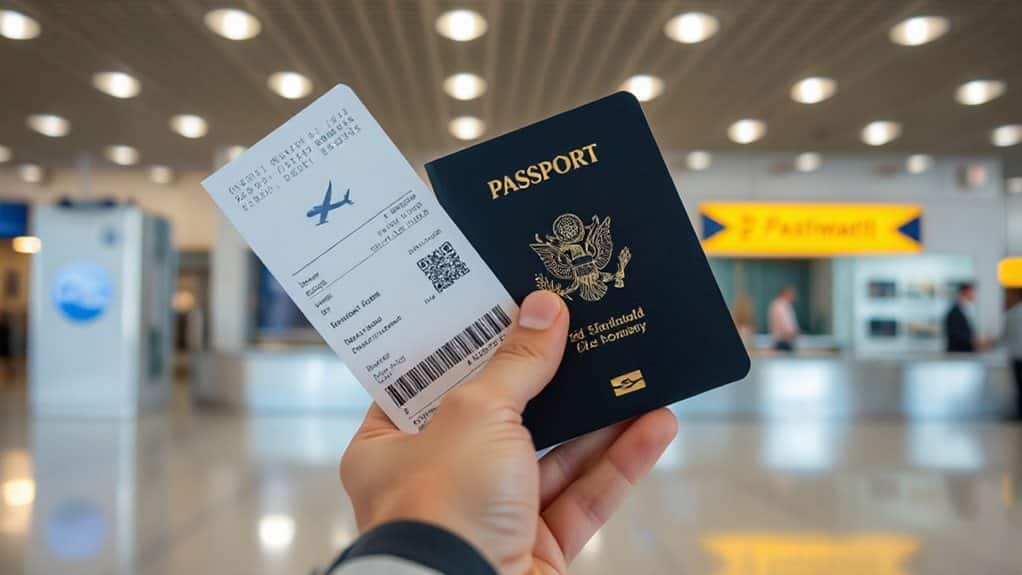
Using fake tickets or falsified proof might seem like a quick solution to meet immigration requirements, but it’s an extremely risky gamble.
Authorities use advanced verification systems that can easily detect forged documents.
Relying on illegal falsified proof can lead to detention, fines, or bans, damaging your credibility and risking your travel freedom.
Always choose legitimate, verifiable proof of onward travel.
Common Challenges and Real-Life Examples of Onward Travel Proof Problems
Many travelers encounter unexpected obstacles when presenting proof of onward travel at border control. Immigration officers may question your proof, especially with one-way tickets or ambiguous plans, leading to delays or denial.
Inconsistent enforcement means some officials demand strict proof, while others rarely ask. Genuine reservations can be misunderstood due to passport stamps or incomplete documentation, complicating entry.
Tips for Preparing and Presenting Your Travel Documents Effectively
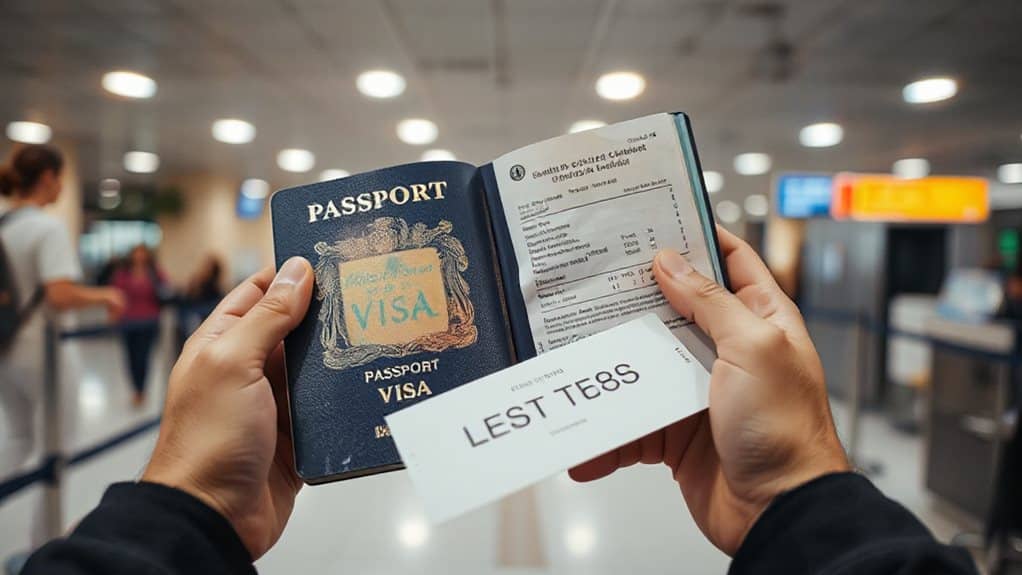
To present your travel documents effectively, you should organize them clearly and keep them easily accessible in your carry-on or digital device.
Practice providing a brief, straightforward explanation of your travel plans to respond confidently to questions.
Ensuring your documents are legitimate and well-prepared helps avoid delays and demonstrates your readiness during immigration checks.
Organize Documents Clearly
Organizing your travel documents in a clear and logical manner is essential for a smooth immigration process. Keep your organized documents, including travel proof and itinerary, easily accessible.
Use clear labels or folders on your digital devices or physical files, categorizing by type, date, or destination.
Maintain both digital copies and printed versions for quick, confident responses during border checks.
Practice Clear Explanations
Practicing clear explanations is essential to guarantee your travel intentions are understood by immigration officers. Be prepared to confidently communicate your proof of onward travel plans, keeping organized documents like flight tickets or reservations ready for quick presentation.
Use a concise, honest summary of your itinerary to build trust, ensuring your explanations are straightforward and easy to follow.
What Happens if You Lack Valid Proof at Immigration?
Lacking valid proof of onward travel can lead to serious consequences at immigration. Without proper documentation, immigration officers may deny entry or boarding, citing failure to meet entry requirements.
You risk being detained, questioned, or turned away, which can cause delays, fines, or future visa restrictions.
Airlines may also refuse boarding if proof of onward is missing.
And Finally
In summary, providing valid proof of onward travel is essential to meet immigration requirements and avoid entry issues. Use official, refundable, or hold tickets, and verify your documents are genuine. Be prepared to present your travel itinerary confidently, and understand the specific rules of each destination. Failing to provide proper proof can result in denied entry, delays, or being denied boarding. Staying informed and organized helps guarantee a smooth immigration process and hassle-free travel experience.