To get a visa extension while traveling, you must be legally in the U.S. with a valid visa and current status. Gather supporting documents like your passport, I-94, proof of funds, and employment verification if needed. File Form I-539 before your current authorized stay expires, either online or via mail, and pay the applicable fees. Avoid overstaying or submitting false information, as these are common denial reasons. Staying informed about case status and travel restrictions helps guarantee your extension is approved; further details can guide you through the process.
TLDR
- Apply online or by mail using Form I-539 before your current visa expires.
- Gather and submit supporting documents like I-94, passport copies, and proof of financial support.
- Maintain lawful status during the application process to avoid ineligibility.
- Track your case status and consider expedited processing if urgent travel is needed.
- Do not leave the U.S. until your extension is approved to prevent abandonment of your application.
Who Can and Cannot Apply for a U.S. Visa Extension

If you want to apply for a U.S. visa extension, you must meet certain eligibility criteria. Only nonimmigrants who were lawfully admitted with a valid visa can apply, and you must be maintaining lawful status. Certain visa categories, like those under the Visa Waiver Program, crew, or in-transit travelers, are ineligible. Battery-safe packing can help prevent device disruptions while you’re waiting on USCIS decisions. USCIS oversees eligibility and application rules.
How to Prepare and Gather Your Documents for the Extension
Preparing to apply for a visa extension requires careful collection and organization of key documents. You’ll need your passport, visa, and I-94 form. Along with these, gather supporting documents that justify your extension, such as employment verification or medical records. Make certain all are current, legible, and meet USCIS legal requirements for your visa category to streamline the application process. Also, if you’re traveling with prescription medications during your extension process, pack prescription meds in original containers with your documentation to avoid airport surprises.
Step-by-Step: How to File Your Visa Extension Application

Filing your visa extension application involves several specific steps that must be followed carefully to guarantee a smooth process.
You need to complete and submit Form I-539 online or by mail before your authorized stay expires.
Include supporting documents such as your I-94, passport copies, and proof of financial support, and be prepared to request a seat belt extender if needed during travel.
Pay the fee, check your USCIS case status, and monitor the processing time.
Common Reasons Visa Extensions Are Denied and How to Prevent Them
Many visa extension applications are denied because applicants fail to provide complete and accurate supporting documentation, which proves their eligibility. Common reasons include overstaying the initial period, submitting the application too late, or providing false information. Violating visa conditions, such as working without authorization, can also lead to denial by USCIS. To prevent this, adhere to visa conditions and application deadlines. Airline policy considerations should be reviewed for any travel-related plans that could affect eligibility or compliance while your extension is being processed.
What Happens After You Submit Your Application and How to Track It
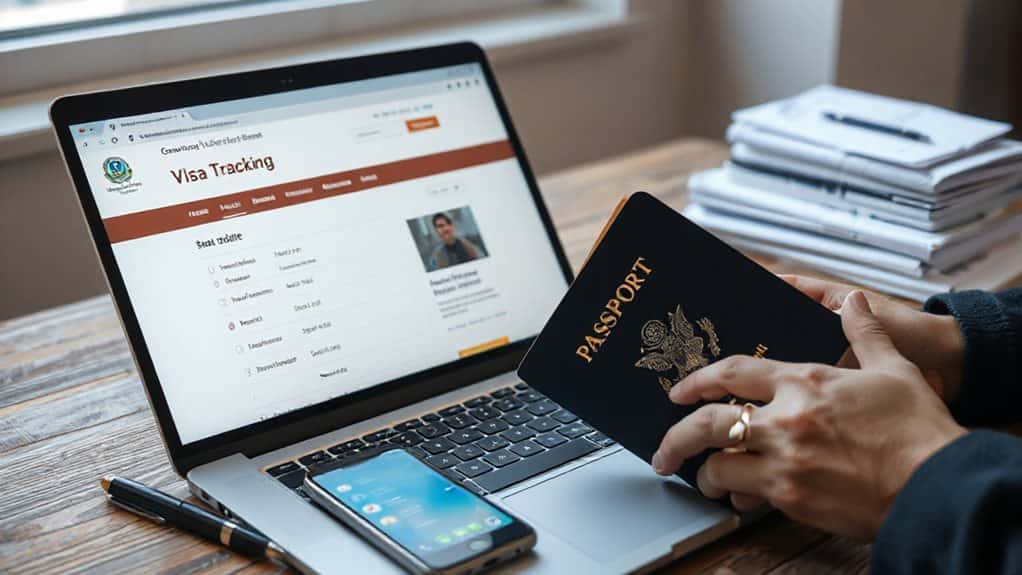
Once you’ve submitted your visa extension application, the next step is to monitor its progress. USCIS provides a receipt notice with a 13-digit case number, allowing you to track your case status online or through customer service. Processing times vary from 2 to 6 months, and approval updates reflect on your I-94 record. Stay informed throughout the application tracking process. If you have an urgent travel need while the case is pending, check USCIS guidance and consider requesting an expedite request.
Travel Tips: Staying Legal During Your Visa Extension Process
To stay legal during your visa extension process, you need to maintain valid documentation, such as your receipt notice, approval notice, and a valid passport. It’s important to follow application timelines closely, filing your extension at least 45 days before your current stay expires. You should also avoid leaving the U.S. while your extension is pending, as doing so could be considered abandonment of your application. If you’re dealing with hotel stays during this period, be aware that hotels may place a temporary incidental hold on your card for potential extra charges, which is usually released after checkout.
Maintain Valid Documentation
Maintaining valid documentation is essential to stay within the law during your visa extension process.
Make certain your passport remains valid for the entire extension period, and keep copies of your original I-94 form and USCIS receipt notices to prove your lawful status.
Submit your application at least 45 days before expiry, and monitor USCIS updates to stay compliant.
Follow Application Timelines
Adhering to application timelines is essential for maintaining your legal status while your visa extension is processed.
To extend your stay, apply early by filing Form I-539 at least 45 days before your authorized stay expires.
Submit all required supporting documents, keep proof of filing, and regularly check USCIS updates to guarantee your application remains on track within the visa extension process.
Next Steps if Your Visa Extension Is Denied or Delayed
If your visa extension is denied or delayed, it’s essential to understand your next steps to stay compliant with immigration laws.
You should seek legal assistance promptly to consider options like reapplication or appeals.
Be aware of the potential consequences of overstaying.
Leaving the U.S. before your authorized stay ends is vital to protect your future reentry eligibility and avoid penalties.
Seek Legal Assistance Promptly
When your visa extension is denied or delayed, seeking legal assistance promptly becomes crucial to protecting your immigration status. An immigration lawyer can help you understand the reasons for denial and advise on maintaining lawful status.
Legal help is essential to steer through possible remedies like appeals or reapplications, preventing legal consequences and ensuring you stay compliant while applying for extension or addressing delays.
Explore Reapplication Options
Exploring reapplication options becomes essential if your visa extension is denied or delayed. You can reapply, addressing the reasons for denial and submitting supporting documentation.
If needed, consider filing an appeal, motion to reopen, or exploring alternative visa options.
Regularly check your case status and stay proactive to maintain your legal stay and potential solutions.
Understand Possible Consequences
A denied or delayed visa extension can have significant legal consequences that require immediate attention.
If your visa isn’t extended, your authorized stay ends, risking unlawful presence and potential reentry bans. Staying beyond your authorized stay can lead to deportation and complicate future reapplications.
If denied, consider options like appealing or seeking legal advice to avoid legal complications and protect your ability to reapply later.
And Finally
Understanding the process for obtaining a visa extension guarantees you stay compliant with U.S. immigration laws. By preparing your documents carefully, following the proper filing procedures, and monitoring your application’s progress, you can avoid common pitfalls. If your extension is denied or delayed, knowing the next steps helps you respond appropriately. Staying informed and proactive will help you maintain legal status during your stay, minimizing potential issues and securing your travel plans proceed smoothly.