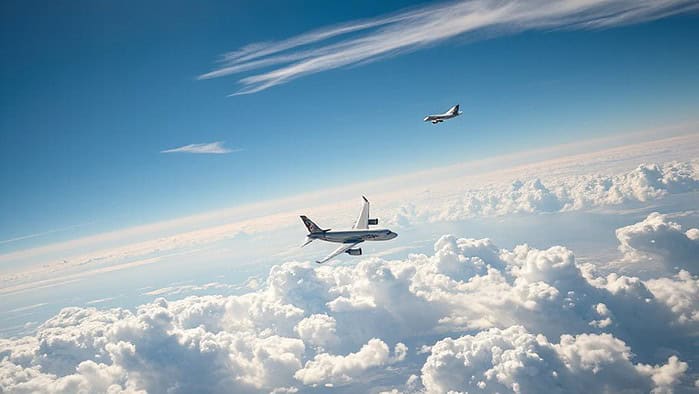
During a go-around, you immediately apply full power and pitch the aircraft for a safe climb, delaying flap retraction until a stable positive climb is confirmed. You maintain a smooth pitch and airspeed, communicate with air traffic control, and keep an eye on instruments for stability. This maneuver is used when approach conditions become unsafe or unstable, allowing you to reattempt landing safely. If you want to understand each step and challenge involved, more details follow.
TLDR
- The aircraft applies full throttle and pitches up to initiate a climb away from the runway.
- Flaps and landing gear are retracted gradually once positive climb is confirmed.
- The pilot maintains stable airspeed and pitch to ensure a smooth, safe ascent.
- Communication with air traffic control updates the aircraft’s status and intentions.
- The aircraft circles or re-approaches for a safe landing attempt after the go-around.
What Is a Go-Around and When Should You Use It?
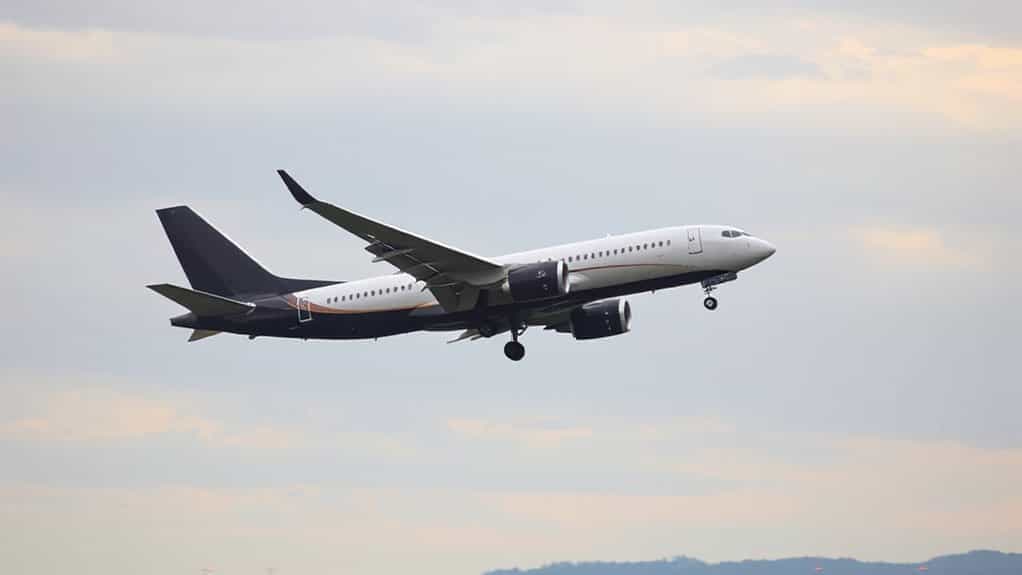
What exactly is a go-around, and when should you consider executing one?
During approach and landing, if you encounter an unstable approach, sudden weather changes, or an unsafe runway environment, a go-around is necessary. You’ll apply full power, establish a climb attitude, and retract flaps and gear, allowing the aircraft to safely climb away from the runway and reattempt the approach. If you’re navigating in changing surroundings—like shifting local conditions you might notice when exploring hidden night market vibes in Bangkok—remaining prepared to adjust your plan at the right moment is key.
How to Perform a Safe and Smooth Go-Around Maneuver
To perform a safe and smooth go-around maneuver, you should start by immediately applying full or recommended go-around thrust, often called TOGA, to initiate a positive climb.
During the go-around procedure, gradually pitch the aircraft to a safe climb attitude, monitor airspeed, and retract flaps incrementally.
Raise the landing gear only after establishing a positive climb, and inform air traffic control to guarantee smooth coordination.
Also, maintain disciplined vigilance because eyes remain a critical defense even when onboard systems like TCAS and ADS-B are available.
Common Challenges During a Go-Around and How to Handle Them
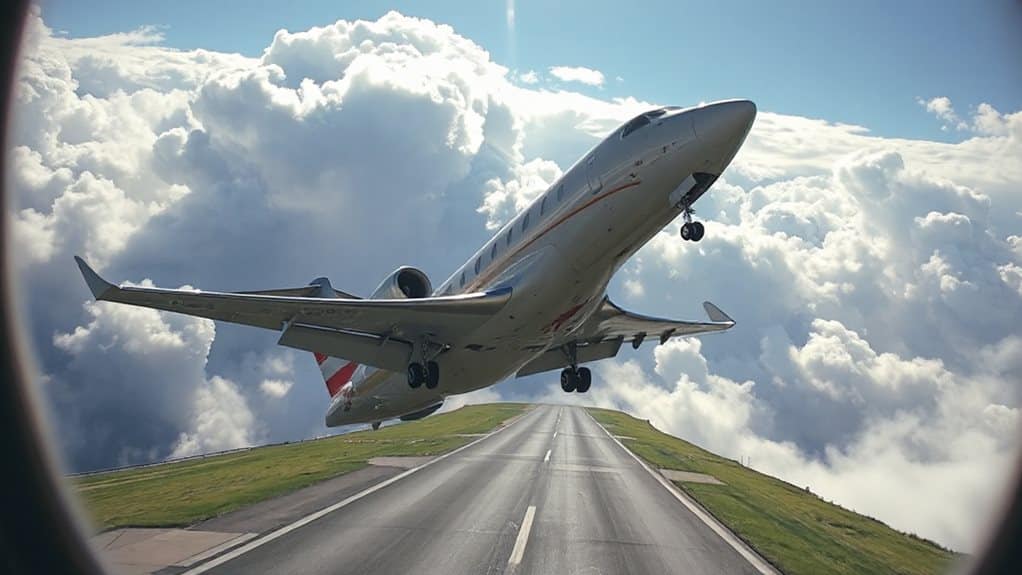
During a go-around, pilots often encounter challenges that can threaten aircraft control if not addressed promptly. Abrupt power application or improper flap retraction may cause altitude or speed loss. Managing pitch adjustment and yaw control, especially in crosswinds, is essential. Hesitation or delayed responses during an aborted landing can lead to instability, emphasizing the importance of smooth, timely execution of procedures. TCAS resolution advisories help ensure immediate vertical separation from nearby traffic, and that same urgency mindset supports stable go-around control when rapid aircraft configuration changes occur.
Why Pilots Decide to Initiate a Go-Around and Key Decision Factors
Pilots decide to initiate a go-around when they determine that the approach is unstable or unsafe, often due to factors like excessive speed, misalignment with the runway, or an inconsistent descent rate.
Safety concerns such as weather changes or system issues also influence the decision.
The decision to go-around depends on approach stability, approach path, and whether the landing decision is safe.
In operational environments, pilots may also decide to discontinue a landing if the runway or approach setup prevents clear approach, consistent with the idea that an unsafe or unstable approach must be corrected before touchdown.
Best Practices for Handling a Go-Around and Ensuring Safety
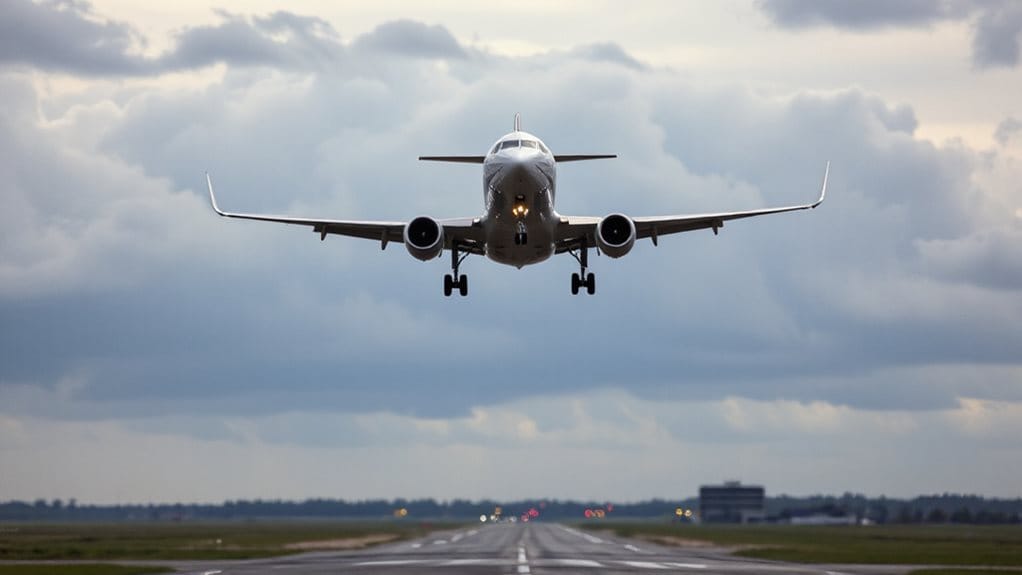
Handling a go-around effectively requires following a set of established procedures to prioritize safety and maintain control. You should immediately apply full or appropriate go-around thrust for sufficient climb performance, communicate clearly with air traffic control, and update your intentions. Gradually retract flaps and landing gear once a positive climb is confirmed, keeping a stable pitch attitude and airspeed consistent with aircraft-specific procedures. If the go-around is initiated during a landing attempt, ensure the seat belt extender request is available should any passenger need one during rapid changes in seat position.
And Finally
A go-around is a standard procedure used when landing conditions are unsafe or unstable, allowing pilots to abort the landing and attempt again. It involves specific steps like applying power, climbing away from the runway, and reconfiguring the aircraft for another approach. Understanding when and how to execute a go-around guarantees safety and smooth operation, even in unexpected situations. Proper training and decision-making are key to managing these maneuvers effectively and maintaining flight safety.