You fly at night because airlines save money on airport fees and increase plane usage when demand is lower. Night flights face less traffic, reducing delays. Modern tech keeps them safe, but darkness increases risks like spatial disorientation, making accidents more deadly. Still, you benefit from cheaper fares, restful travel, and morning arrivals ready for the day. Cargo also moves faster overnight. Quiet airports mean smoother boarding and quicker turnarounds. There’s more to how timing shapes your flight experience than meets the eye.
TLDR
- Airlines operate night flights to reduce costs with lower airport fees and fewer air traffic delays.
- Reduced demand allows for cheaper fares, especially for budget carriers using overnight schedules.
- Night flying enables better aircraft utilization by extending daily operational hours.
- Modern navigation systems ensure safety, though spatial disorientation remains a risk in darkness.
- Passengers benefit from restful overnight flights and early-morning arrivals for productive days.
Why Do Airlines Fly at Night?
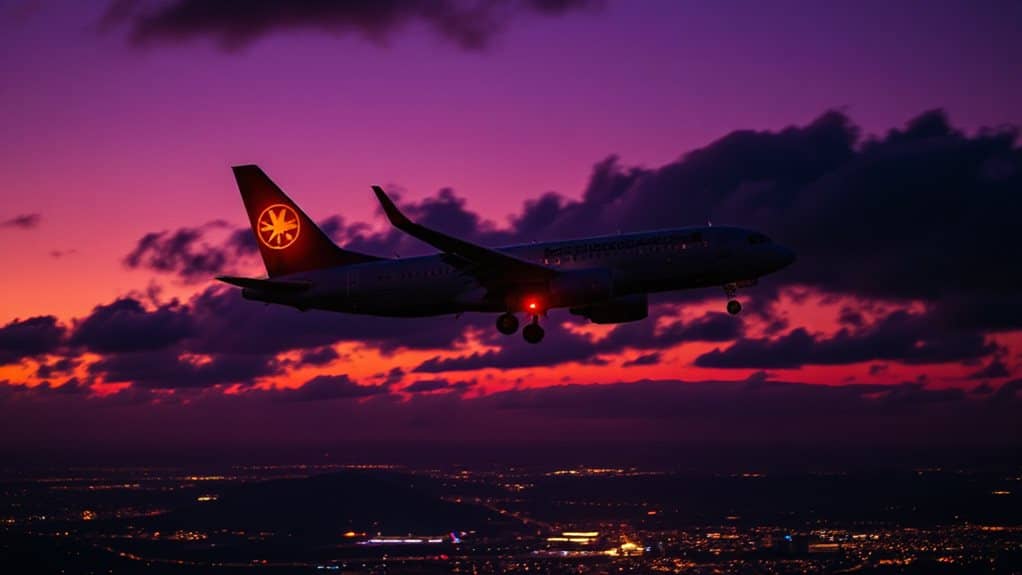
You might wonder why so many planes take off while most people are asleep, but airlines fly at night for practical reasons that benefit both operations and passengers.
You save money with lower fares due to reduced demand. Airlines maximize aircraft use, avoid daytime delays, and cut costs.
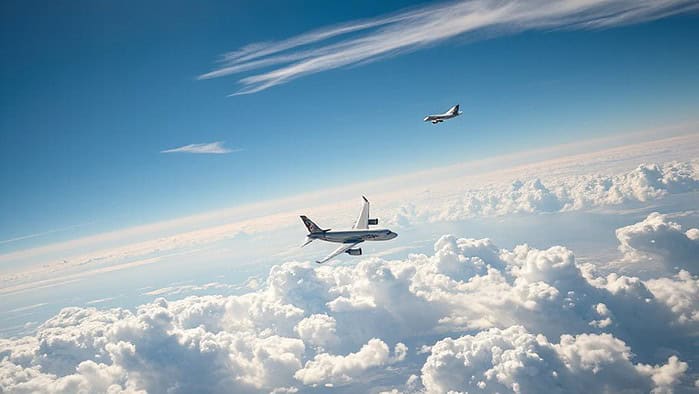
Less air traffic means fewer delays.
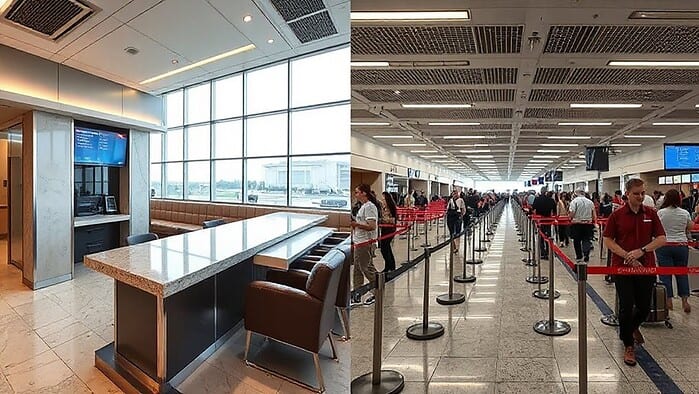
You also enjoy quicker check-ins and quieter airports, making overnight flights a smart, efficient choice for budget-conscious and time-sensitive travelers.
Night flights are just as safe as daytime flights, thanks to modern navigation systems and strict safety regulations. Night flying also benefits from reduced traffic which lowers the chance of delays and congestion.
Are Night Flights Riskier Than Day Flights?
While night flying introduces unique challenges, it isn’t inherently more dangerous when proper procedures are followed—yet statistics show nighttime accidents are disproportionately fatal.
You’re twice as likely to die in a night accident, especially in dark, moonless conditions or IMC, where spatial disorientation causes 26% of fatal crashes.
Over 80% of night accidents occur in VMC, but terrain, poor visibility, and delayed recognition increase risk, demanding sharp situational awareness and disciplined instrument use.
Helicopter safety has improved substantially over the past two decades, with fatal accident rates halving in the U.S. thanks to targeted safety initiatives.
Why Are Night Crashes More Likely to Be Fatal?
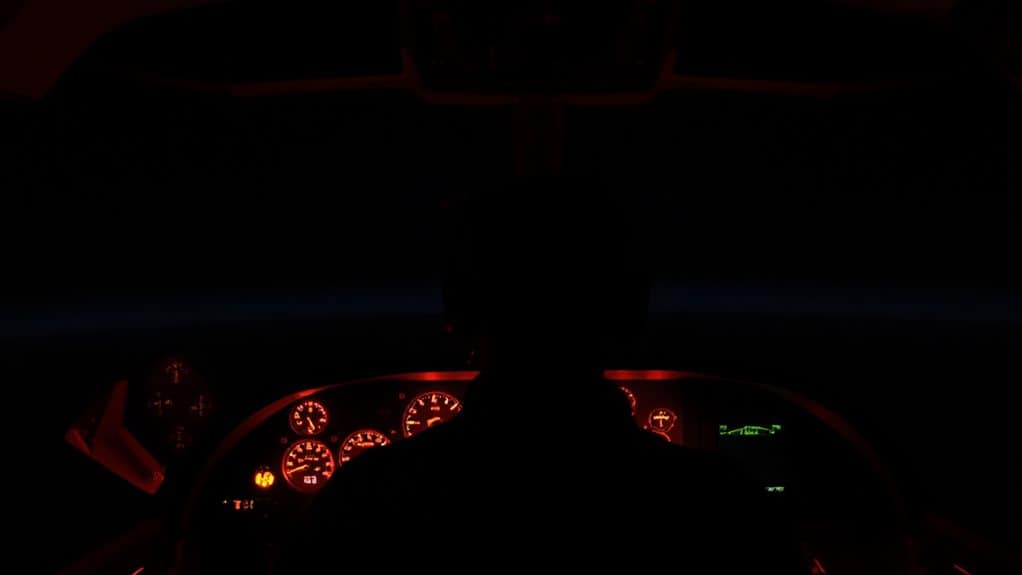
Because night flying limits visual cues and increases the risk of spatial disorientation, crashes that occur after dark are far more likely to be deadly.
You face higher fatality rates at night—especially in IMC, where over 67% of accidents are fatal. Spatial disorientation causes 26% of fatal night accidents, and en route stalls or spins are 95% lethal.
Even in VMC, darkness hides critical cues, raising your risk.
Thunderstorms and other severe weather (including lightning, high winds, and heavy rain) are a common reason flights are canceled or diverted at night, further increasing operational risk and complicating rescue or recovery efforts for nocturnal accidents; see thunderstorm hazards for details.
Do Night Flights Save Airlines Money?
Slash costs and enhance efficiency—night flights offer airlines a strategic financial edge.
You save on lower airport fees during off-peak hours and elevate aircraft utilization by flying longer. Night slots cut congestion charges, while budget carriers like Ryanair maximize savings with lean operations.
You pass these gains to travelers through cheaper fares, especially on midweek red-eyes, making overnight flights smarter for your bottom line. Gate agents may still enforce carry-on rules strictly, particularly at major hubs and during peak periods.
When Do Passengers and Cargo Benefit From Night Flights?
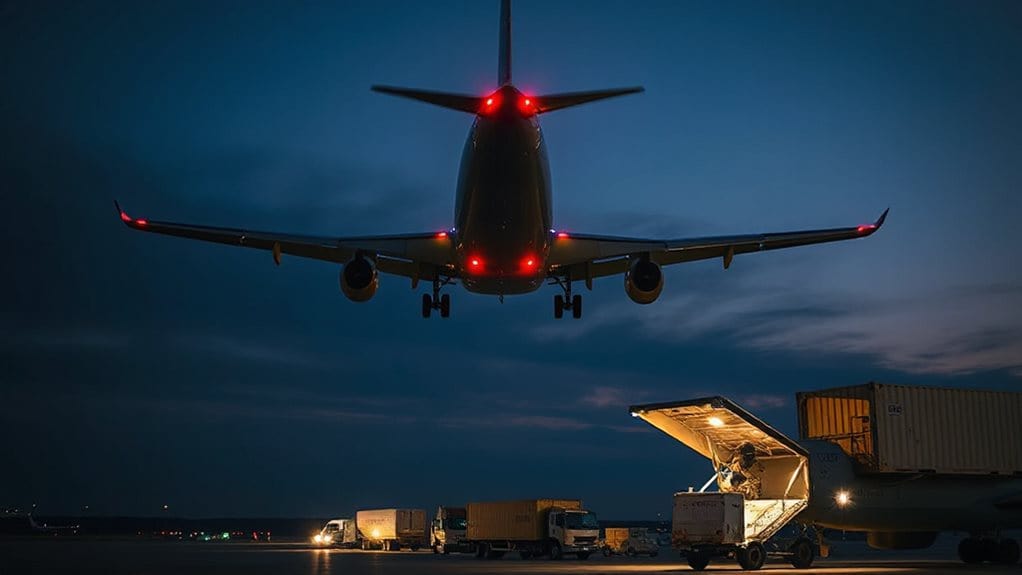
Night flights don’t just cut costs for airlines—they also deliver real advantages for passengers and cargo operations.
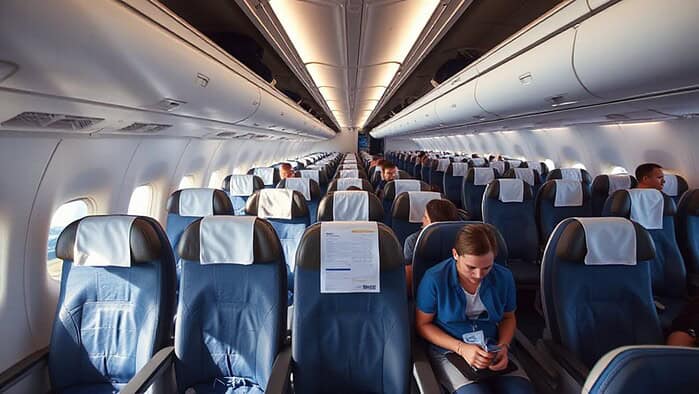
You gain more rest on overnight trips, thanks to darkness and fewer distractions. Morning arrivals give you a full day ahead.
Meanwhile, express freight moves efficiently, supporting just-in-time deliveries. Reduced crowds and delays mean smoother travel, letting you move freely when it suits your rhythm. Airports may still require additional security screening for certain international or terminal changes, so allow extra time when planning overnight connections.
And Finally
You now understand why planes fly at night. Airlines use overnight hours to save on airport fees, reduce delays, and meet cargo or passenger demand. Night flights aren’t inherently riskier, but limited visibility can make emergencies harder to manage. Fatalities are often higher due to reduced rescue visibility. Both passengers and freight benefit from timely arrivals. These factors together make nighttime operations practical, efficient, and cost-effective for the aviation industry.