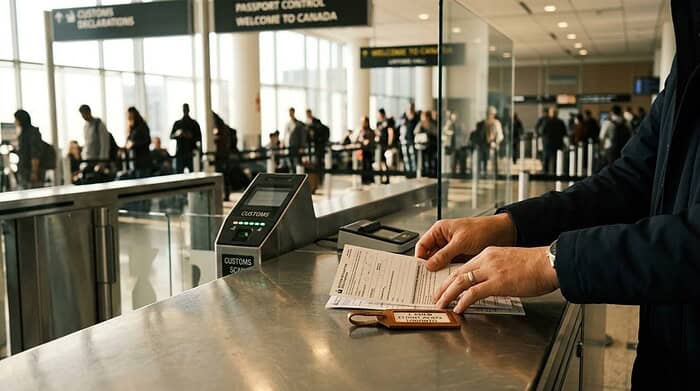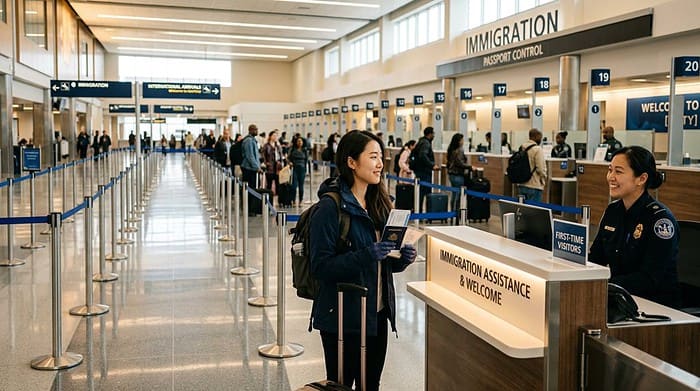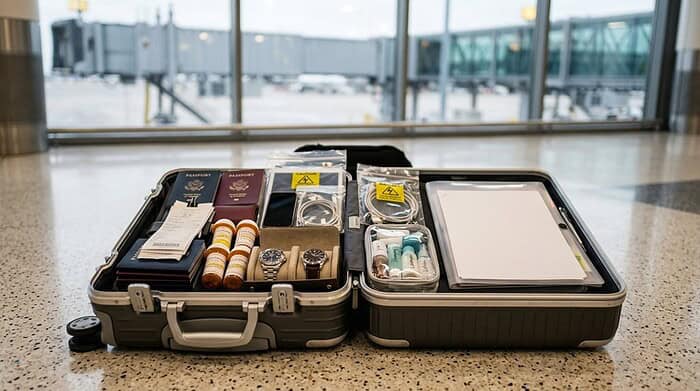
An e‑visa is an electronic travel authorization you apply for online, upload scanned documents, pay digitally, and receive instantly via email or QR code linked to your passport number; you print or save it for immigration. A traditional visa requires you to submit physical paperwork, attend an in‑person interview or biometric session, and wait for a stamped passport that can take weeks, often with higher fees and mailing delays. E‑visas are faster and cheaper, but traditional visas offer stronger identity verification and lower fraud risk, so if you keep exploring you’ll figure out when each option is best.
TLDR
- e‑Visas are applied online, require digital payments and document uploads, while traditional visas need paper forms, in‑person visits, and often interviews.
- e‑Visa processing times range from minutes to a few days; traditional visas typically take five to fifteen days, plus mailing and scheduling delays.
- e‑Visas cost less and avoid travel to embassies, whereas traditional visas involve higher fees and mandatory trips to visa centers.
- e‑Visas are electronic authorizations linked to the passport number without a physical stamp; traditional visas result in a stamped passport after manual review.
- Traditional visas include biometric checks and interviews, reducing fraud risk, while e‑Visas are more vulnerable to phishing, bot attacks, and synthetic document fraud.
E‑Visa vs Traditional Visa: Quick Comparison
When you compare an e‑visa with a traditional visa, the first thing you’ll notice is how the application process differs.
You fill out an online form, pay digitally, and receive a QR code within hours or days, while traditional visas demand paper documents, embassy visits, and interviews that can stretch weeks.
E‑visas cost less, avoid travel, and confirm instantly, whereas traditional visas involve higher fees, mailing delays, and longer validity options. Electronic issuance makes the e‑visa process faster and more convenient. In New Zealand, many travelers from visa-exempt countries may still need an eTA before departure, depending on their nationality.
What Is an E‑Visa and How Does It Work?
If you’re planning to travel abroad, an e‑visa is an electronic authorization that confirms your eligibility to enter a country without needing a physical stamp in your passport. You apply online, upload passport details and supporting documents, pay digitally, and receive approval via email. Print or save the confirmation, then present it at immigration. Processing ranges from minutes to days, and the visa links directly to your passport number. eSIM roaming savings can also help reduce travel costs when you reach your destination.
How Do Traditional Visas Differ?
Although e‑visas let you apply online, traditional visas still require you to handle physical paperwork and visit a consulate or visa‑center in person.
You’ll submit passports, photos, forms, and sometimes notarized copies, then attend an interview or biometric session.
Consular officers manually review everything, stamp your passport, and may take weeks.
Fees must be paid in person, and appeals follow embassy procedures.
If you’re traveling within the U.S., make sure your identification (such as a REAL ID-compliant license) is ready to avoid additional screening or related processing delays.
Speed, Cost, and Convenience: E‑Visa vs Traditional Visa
E‑visas and traditional visas differ sharply in how fast they get you on a flight, how much you’ll pay, and how much hassle they involve.
You’ll usually receive an e‑visa within 24 hours to five business days, sometimes faster, while traditional visas often need five to fifteen days, plus mailing and interviews.
E‑visa fees are lower, avoiding courier costs and travel expenses.
Applications are fully online, requiring only scanned documents, and you get instant email confirmation or a QR code, eliminating in‑person embassy visits and passport stamping.
Melatonin gummies are generally permitted in carry-on bags per TSA guidelines, which can help reduce travel hassles for supplement travelers.
Security Risks and When a Traditional Visa Is Safer
When you apply for a traditional visa, the process includes an in‑person interview and biometric checks that dramatically lower the chance of impersonation and credential theft. You avoid phishing, bot‑driven fraud, and AI‑generated synthetic documents that plague eVisas. Physical stamps and manual vetting reduce account‑takeover risks, especially for high‑risk nationalities and when third‑party processors expose your data to dark‑web attacks. Additionally, identity verification helps limit unauthorized access attempts that rely on stolen traveler information.
And Finally
In the end, an e‑visa gives you faster, cheaper processing and online convenience, while a traditional visa often provides stronger security checks and broader eligibility for complex travel plans. Choose the e‑visa if you need a simple, short‑term visit and the country offers it. Opt for a traditional visa when you require extensive documentation, longer stays, or heightened security. Understanding each option’s strengths helps you select the most suitable route for your trip.