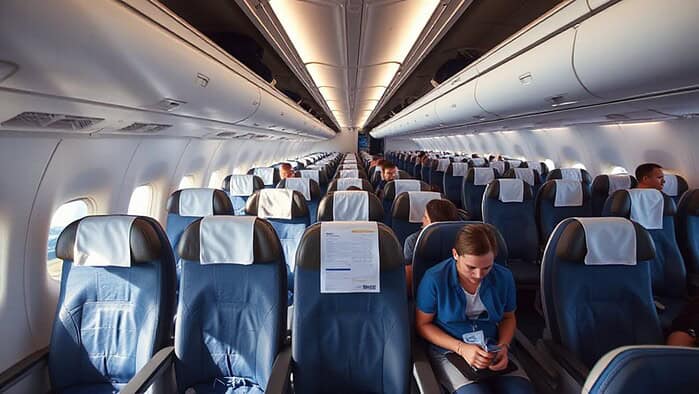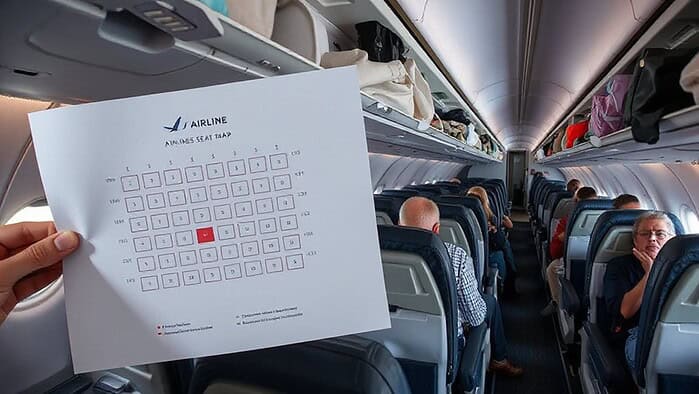
You feel more comfortable when seat pitch increases because it gives you extra legroom, reducing knee and back pressure. At 27 inches, most passengers experience discomfort; 29–31 inches helps, but taller travelers still struggle. More pitch lets you shift positions, easing fatigue on long flights. Thinner seat backs add a bit of space too. While pitch matters, seat width also plays a big role in how well you fit and feel during the trip—there’s more to contemplate about how design shapes your experience.
TLDR
- Seat pitch directly determines legroom, with more inches between seats improving knee clearance and overall comfort.
- Pitches below 27 inches restrict movement and significantly increase passenger discomfort, especially for taller individuals.
- Increasing pitch from 28 to 36 inches reduces pressure on the back and thighs, enhancing comfort during long flights.
- Thinner seat backs can improve perceived legroom, especially when pitch is limited to 29–31 inches.
- While pitch affects leg space, wider seats often provide comparable or greater comfort than additional pitch.
Understanding Seat Pitch and Its Measurement

While you’re settling into your airplane seat, the amount of space you feel in front of you largely depends on something called seat pitch. It’s measured from the back of one seat to the back of the seat ahead, usually at 620 mm above the floor.
You’ll see it in inches, commonly 30–31 in economy. Though it hints at legroom, actual comfort varies with seat design. Airlines use tools like SeatGuru to share exact pitch per aircraft, helping you choose wisely. A higher seat pitch generally means more legroom and a more comfortable flight. Delta often enforces a strict carry-on size limit that can affect overhead bin availability and perceived space on regional flights.
The Direct Impact of Seat Pitch on Legroom
You feel more legroom when seat pitch increases, since it sets the distance between rows and directly affects how much space your legs have.
Keep in mind, though, that knee clearance also depends on seat back thickness—thinner seats can help a little when pitch is tight. Airlines often reduce pitch, claiming thinner cushions make up for lost space, but your actual comfort still hinges mostly on that pitch measurement. Many carriers now advertise economy seat pitch as low as 29–31 inches, which can noticeably reduce legroom compared with older standards economy seat pitch.
Legroom and Body Fit
You’ll find that seat pitch plays a central role in determining how much legroom you actually get on a flight. While measured from seat to seat, real legroom varies with seat thickness and padding.
For true comfort, aim for 34–40 inches—where posture and movement improve. Beyond 36 inches, benefits plateau. Wider seats enhance comfort more than extra pitch, letting your body fit naturally.
Pitch vs. Knee Clearance
Seat pitch directly affects how much knee clearance you have during a flight, shaping both comfort and mobility.
At 27 inches, 86% of passengers report knee discomfort, with hip-knee space as low as 593 mm.
At 29 inches, complaints drop to 50%, and comfort improves noticeably.
Still, even 29 inches falls short for taller passengers, failing to accommodate 95% of male leg lengths.
How Increased Pitch Reduces Body Discomfort

You feel less cramped and experience reduced body discomfort when you have more seat pitch.
Extra inches allow you to shift positions easily, relieving pressure on your legs and lower back during long flights. Even a small increase in space can make a noticeable difference in how you feel by the time you land. Exit row seats often provide significantly more pitch, which improves comfort for many passengers and can reduce fatigue on longer journeys extra legroom.
Less Discomfort With More Space
When you have more room to stretch out, your body naturally feels less strain, and that’s exactly what happens as seat pitch increases.
You’ll experience less discomfort in your legs, back, and buttocks, especially at 34 inches or more.
Complaints about knee space drop markedly, and you can shift positions more freely.
More space means better posture, reduced pressure, and greater overall comfort—simple as that.
Pressure Relief at Higher Pitch
Greater personal space doesn’t just let you stretch more comfortably—it actively reduces the physical pressure your body experiences during long periods seated. You’ll feel less strain as seat pitch increases, especially from 28 to 36 inches.
Your upper and lower back, buttocks, and thighs experience lower peak pressures, while ischial tuberosity loading eases. At 34–40 inches, pressure distribution improves markedly, reducing discomfort and letting you move freely.
Changes in Pressure Distribution With Greater Pitch
With more space between seats, your body’s pressure distribution shifts in meaningful ways, particularly along the backrest.
As pitch increases, your upper and lower back experience reduced average and peak pressures, with better contact area and favorable pressure patterns.
Your buttocks and thighs also benefit—pressure eases, especially at the ischial tuberosities and posterior thighs, enhancing overall load distribution and comfort without restricting your movement.
Optimal Seat Pitch for Maximum Well-Being
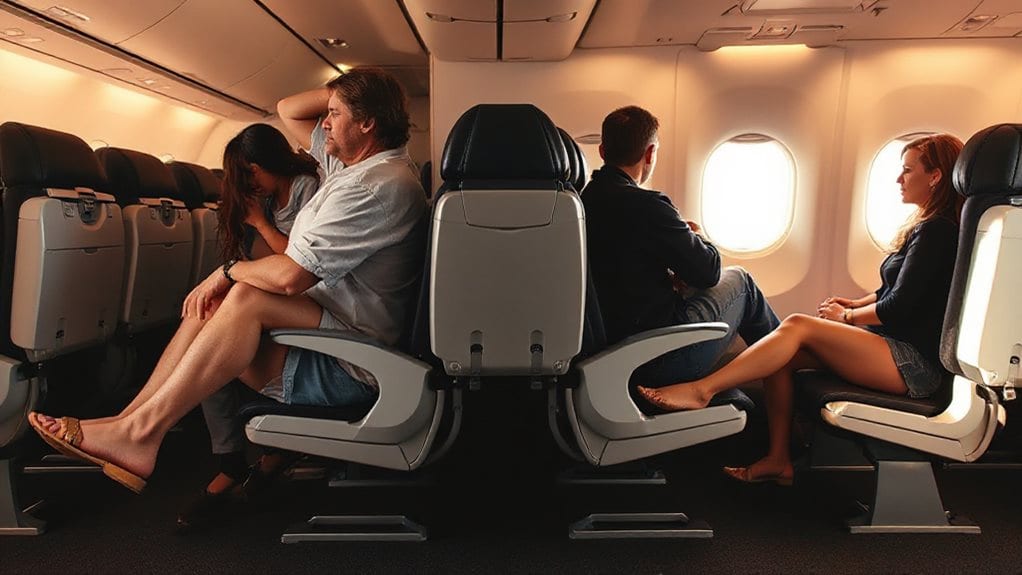
Although seat comfort depends on multiple factors, pitch plays a decisive role in determining your overall well-being during a flight.
You’ll feel noticeably better with 29 to 31 inches of pitch, as it allows natural posture changes and reduces discomfort.
Pitches below 27 inches restrict movement, while wider seats can offset tighter pitch.
Consider selecting wide-body aircraft with larger cabins for improved comfort on long flights, as they often feature wider seats and better amenities.
The Role of Posture Flexibility in Seat Comfort
Changing how you sit during a flight can make a real difference in how comfortable you feel.
You’ll find more posture options at 29–31 inch seat pitches, especially with armrests and reclining support.
Wider seats let you shift freely, reducing pressure on shoulders and legs.
Leaning back lowers peak pressure, while slumping slightly with head support often feels best.
Using supportive travel gear like a contoured eye mask can reduce facial pressure and improve rest when slumping with head support 3D eye cups.
Comparing the Benefits of Pitch Versus Seat Width

When it comes to comfort on a flight, you might assume legroom is the biggest factor—but research shows seat width often matters just as much, if not more.
You gain as much comfort from an extra inch of width as from 4 inches of pitch. Wider seats give you elbow room, reduce contact with neighbors, and let you shift position freely, which cuts fatigue on long flights. Airlines’ economy seats commonly range from 17 to 18.5 inches wide, so choosing carriers or cabins with greater seat width can noticeably improve comfort.
How Body Dimensions Influence Ideal Seat Pitch
You’ve seen how seat width impacts comfort just as much as legroom, but another key factor shapes your experience: your body dimensions. Your sitting height, hip breadth, and shoulder width directly affect how well you fit in a seat.
Designers use data from diverse populations to set pitch standards, ensuring 95% of adults can brace safely. Larger passengers need more room, while smaller ones gain freedom to move. Even small pitch increases improve comfort for broader bodies, making space more inclusive.
Gender Differences in Seat Accommodation and Comfort

Although seat design often focuses on average body measurements, gender differences play a significant role in how well passengers fit and feel comfortable during flights.
Women, with wider average hip breadth, are more likely to be disaccommodated on narrow seats, especially in tight 400mm widths. Men, typically taller, face legroom challenges when seats recline.
Both genders value seat preference—women favoring windows, men more open to middles—yet comfort needs differ, shaped by body dimensions and personal priorities.
And Finally
You now see how seat pitch directly affects your comfort during travel. More pitch means better legroom, reduced discomfort, and improved posture flexibility. It changes pressure distribution, lowering the risk of stiffness. While seat width matters, pitch often has a greater impact on overall well-being. Your body dimensions and gender may influence your ideal space, but generally, extra inches make a measurable difference in your experience.