Aircraft maintenance schedules work by planning regular inspections and repairs based on flight hours, cycles, and regulatory requirements. They include routine checks like A, B, C, and D, each with specific tasks and intervals. Regulatory agencies, such as the FAA, mandate these schedules to guarantee safety and compliance. Proper tracking and automated alerts help prevent overdue inspections, maintain airworthiness, and extend aircraft lifespan. Continuing will provide understanding into how these systems support safe and efficient operations.
TLDR
- Maintenance schedules are based on flight hours, cycles, and specific inspection intervals to ensure aircraft safety and compliance.
- Regulatory agencies like the FAA mandate scheduled inspections, following approved programs such as CAMP.
- Maintenance checks include routine line checks, A, B, C, and D checks, each with designated tasks and timeframes.
- Automated systems track aircraft usage and alert maintenance teams for upcoming inspections to prevent overdue checks.
- Consistent maintenance detects early issues, prolongs aircraft lifespan, and maintains safety standards across operations.
What Are Aircraft Maintenance Schedules and Why Are They Important?
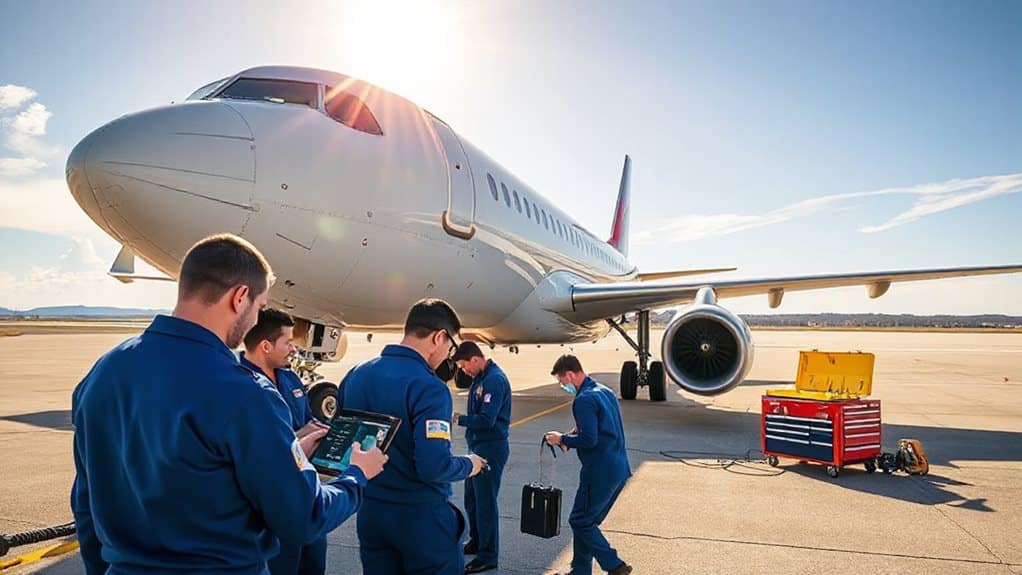
Have you ever wondered how airplanes stay safe and reliable during their entire service life? Aircraft maintenance schedules are crucial for maintaining safety and airworthiness.
By following planned inspections and maintenance checks at specific intervals, they help detect issues early, minimize aircraft downtime, and guarantee regulatory compliance.
These schedules are indispensable for aviation safety and extending the aircraft’s operational life.
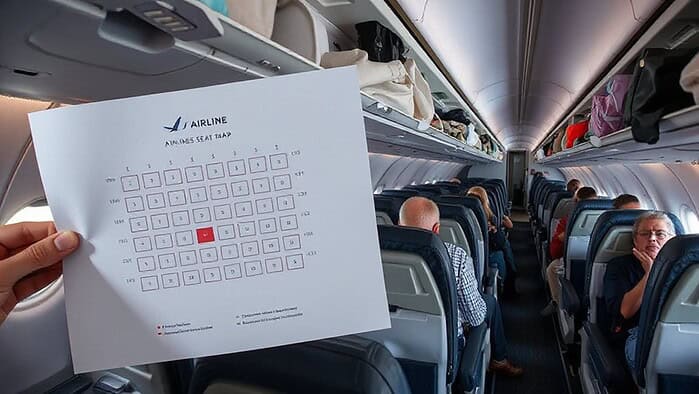
Because seat safety relies on correct seat belt extender availability and proper fit procedures, maintenance scheduling also intersects with how aircraft are prepared to protect passengers throughout every flight.
How Do Regulations Influence Maintenance Planning and Intervals?
Regulations play a critical role in shaping maintenance planning and determining inspection intervals for aircraft, ensuring safety standards are consistently met across the aviation industry.
FAA requirements mandate scheduled maintenance, with approved programs like CAMP specifying tasks and timing.
Regulatory oversight enforces compliance, and safety data can lead to adjustments in inspection intervals, all to safeguard aircraft safety and meet strict standards.
What Are the Main Types of Aircraft Maintenance Checks?
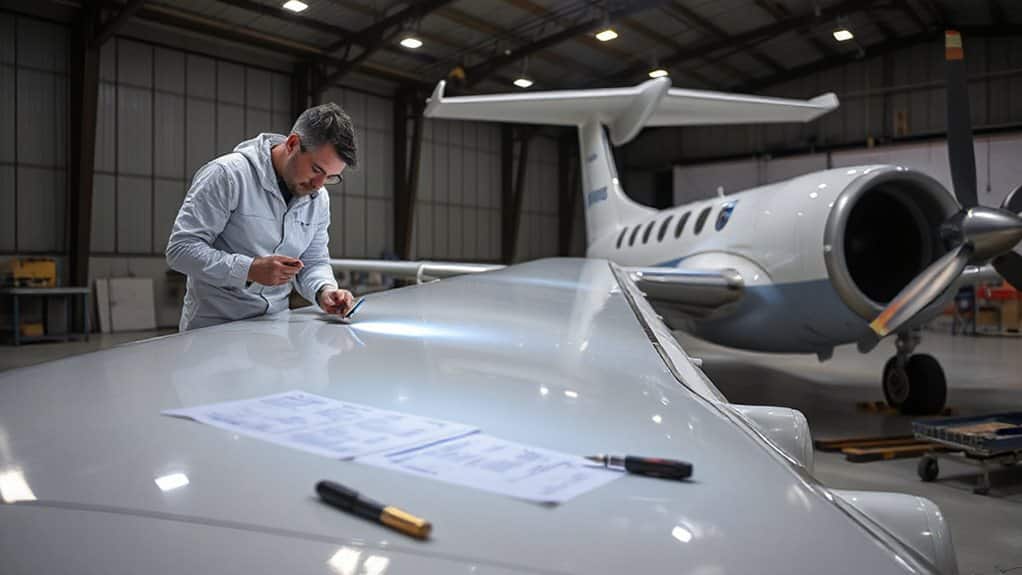
Aircraft maintenance checks are scheduled procedures designed to guarantee that airplanes remain safe and operational throughout their service life. These include routine Line Checks, A Checks every 400-600 flight hours, B Checks every 6-8 months, and extensive C and D Checks. C and D Checks involve detailed inspections of aircraft systems and structures, ensuring maintenance aligns with the aircraft’s operational and safety requirements. Airline policy can also be relevant for maintenance timing and compliance, since different regulatory environments and operational constraints may affect when and how checks are performed.
How Do You Schedule and Track Maintenance to Ensure Safety?
To assure aircraft remain safe and operational, scheduling and tracking maintenance must be precise and ongoing. You rely on maintenance scheduling based on flight hours, cycles, and inspection intervals, supported by automated alerts. Accurate aircraft records and maintenance tracking guarantee regulatory compliance. While a well-defined maintenance program helps plan preventive maintenance, keeping flight cycles in check and avoiding overdue inspections. When packing supplies for travel—such as a 12-pack of soda—remember that carry-on liquid limits can affect what you can bring through TSA versus what you can transport in checked baggage.
Why Is Consistent Maintenance Critical for Aircraft Safety and Longevity?
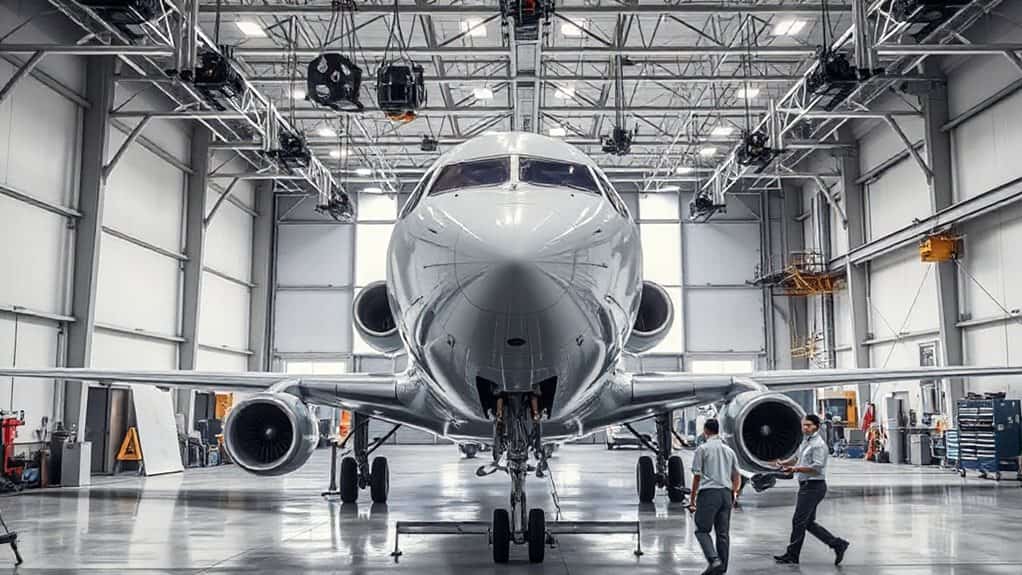
Consistent maintenance plays a vital role in guaranteeing an aircraft’s safety and extending its operational life. Regular inspections and scheduled checks help detect wear and tear early, maintaining safety systems and preventing costly failures.
Routine maintenance reduces structural deterioration, prolongs aircraft lifespan, and affirms compliance.
Ultimately, it supports the aircraft’s reliability, safety, and long-term performance.
And Finally
Understanding aircraft maintenance schedules is essential for ensuring safety, reliability, and longevity. By adhering to regulated intervals and performing regular checks, you help prevent failures and extend the aircraft’s lifespan. Proper scheduling and documentation enable timely interventions, minimizing risks and ensuring compliance with aviation standards. Ultimately, consistent maintenance not only protects lives but also supports operational efficiency, making it a critical aspect of responsible aircraft management.