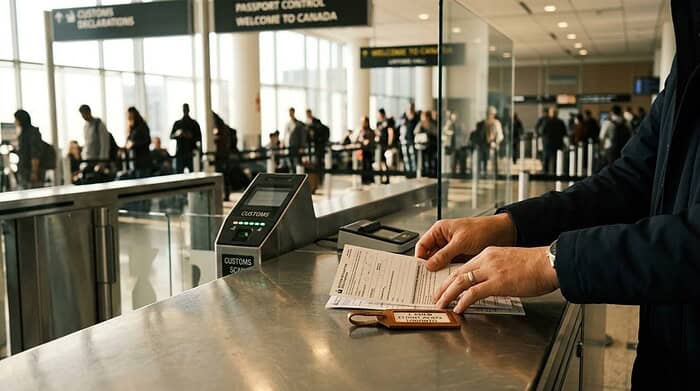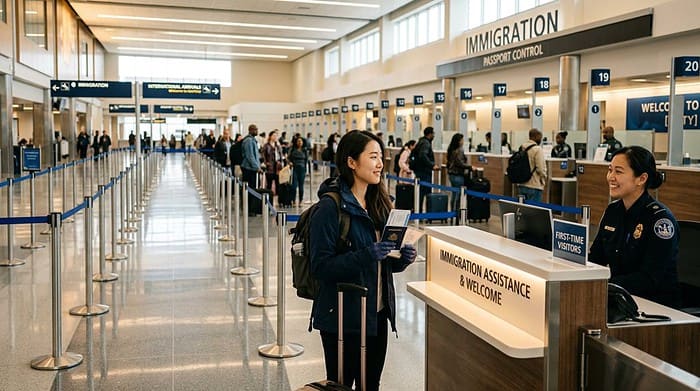
Visa on arrival lets you get a passport stamp at the airport instead of applying beforehand, usually for a modest cash fee paid in local currency. You’ll need a valid passport (often six months beyond arrival), a completed short form, proof of onward travel, hotel booking, and sometimes photos or insurance. Stay lengths typically range from 15 to 30 days, with extensions rare and costly; for example, Indonesia permits one 30‑day extension for IDR 500,000. If you keep going, you’ll uncover the full list of eligible countries and the latest 2026 entry requirements.
TLDR
- Visa on arrival is issued at a designated airport counter after landing, requiring a completed form, passport, and sometimes a photo.
- Travelers must present a passport valid at least six months (often one year) with blank pages and pay a cash fee, usually in foreign currency.
- Common documentation includes a confirmed hotel reservation, round‑trip ticket, proof of funds, and travel insurance.
- Stay duration is set by the immigration officer, typically 15‑30 days, with limited extensions (e.g., Indonesia allows one 30‑day extension for a fee).
- Overstaying incurs daily fines (e.g., IDR 1,000,000 per day in Indonesia) and may lead to deportation or entry bans.
Visa on Arrival for US Travelers: Definition & Mechanics
If you’re a U.S. traveler heading to a country that offers a visa on arrival, you’ll get the visa after you land instead of applying beforehand.
You’ll find a designated counter, fill a short form, show your passport and a photo if needed, then pay a modest cash fee.
Officers stamp your passport, granting a stay that usually runs weeks to months, subject to their discretion.
Money declaration must be made on entry and exit if you’re carrying more than $5,000.Passport validity must be at least six months from the date of arrival.
Top Visa on Arrival Destinations for US Travelers
After outlining how a visa on arrival works, the next step is to identify which countries actually offer the most traveler‑friendly options for U.S. citizens.
You’ll find Vietnam’s cheap single‑entry visa, the Maldives’ free 30‑day entry, India’s e‑visa with quick processing, Rwanda’s flexible 30‑day stay, and Uzbekistan’s visa‑free 30‑day access, all welcoming you to venture with minimal hassle.
Before you go, keep in mind that TSA headwear screening may require removing a cowboy hat at the checkpoint, even though it’s generally allowed through the airport.
Visa on Arrival Costs, Required Docs, and Stay Limits
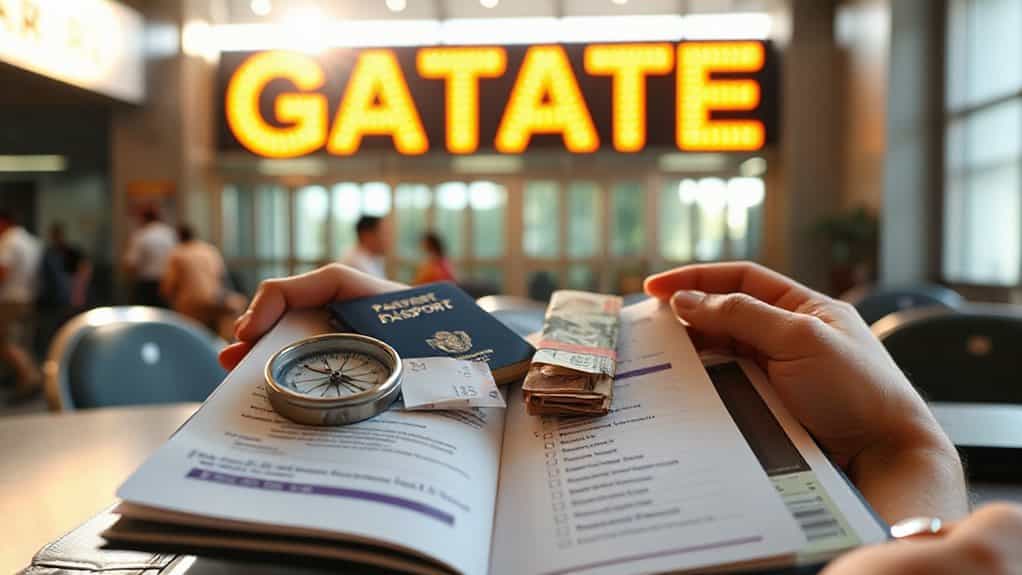
Visa on arrival fees, document requirements, and stay limits differ widely, but they all share a few core elements you’ll need to meet before you step off the plane. You’ll pay cash in foreign currency, sometimes a service charge, and bring a passport with at least one‑year validity, two blank pages, and a photocopy. Pack a completed form, hotel booking, round‑trip ticket, three photos, insurance, recent bank statements, and proof of funds. Typical stays last 15‑30 days, with extensions rarely allowed and daily fines for overstay. To reduce the risk of penalties or delays, make sure any required ticket validation is done immediately upon entry or at the point of use, rather than assuming one action covers multiple checkpoints.
Extending or Converting a Visa on Arrival
You’ve already gathered the cash, passport, and paperwork needed for a Visa on Arrival; now you’ll need to know how to extend your stay or whether you can switch to another visa type.
Indonesia lets you extend once for 30 days, paying IDR 500,000, but you can’t convert to work or residency permits. Visa extension rules apply—so plan ahead and don’t assume you’ll be able to change status onshore. Apply 7‑45 days before expiry, bring a valid passport, onward ticket, photo, and local address. Overstay costs IDR 1,000,000 daily and may lead to deportation.
2026 Visa on Arrival Updates & Entry Checklist for US Travelers

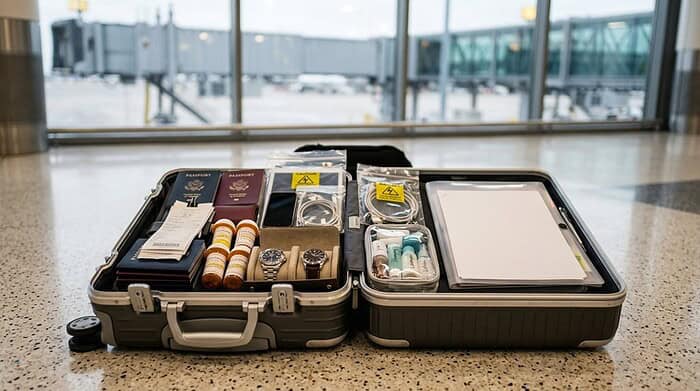
Because the travel terrain keeps shifting, you need to stay on top of the latest visa‑on‑arrival changes and the entry checklist before you book a trip. Add travel with prescription meds to your checklist, so you avoid airport surprises if you’re carrying medication across borders. Apply for ETIAS now—€20, three‑year validity—to enter 29 Schengen states from 2026. Pack a six‑month passport, vaccination proof, and payment for Nepal, Ghana, Uzbekistan, and e‑Visas. Check State Department alerts, biometric entry dates, and fee structures to avoid surprises.
And Finally
In short, Visa on Arrival lets you enter many countries without pre‑approval, but you must meet each nation’s specific requirements. Check the cost, required documents, and allowed stay length before you travel, and know how to extend or convert the visa if needed. Stay updated on 2026 changes, keep your paperwork ready, and follow the entry checklist to avoid surprises at the border. This approach guarantees smooth, hassle‑free arrivals.