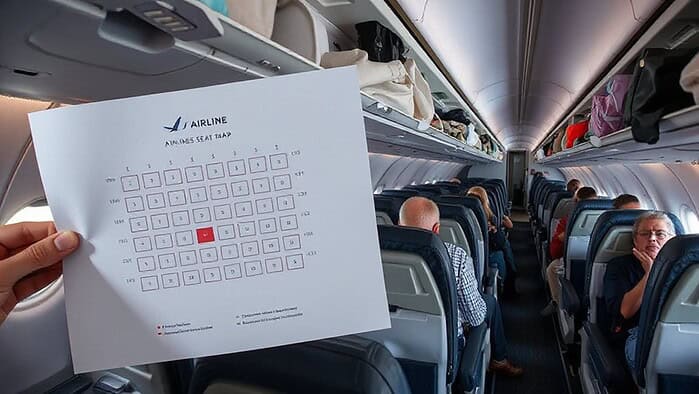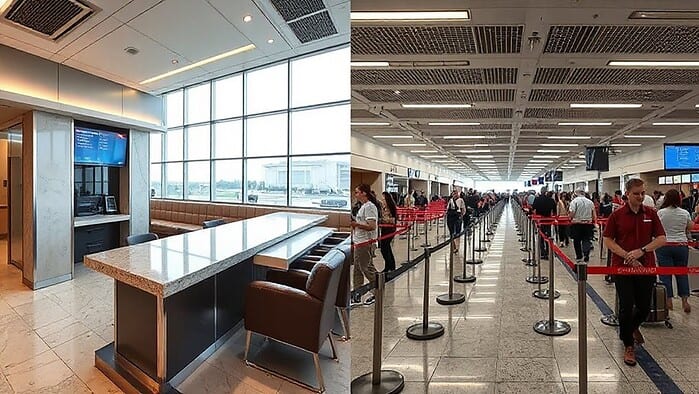
You’ll save time and money on domestic carry‑on trips by checking in online, printing your boarding pass 24 hours early, and heading straight to security; however, you still need to drop bags at the airport and risk glitches that could block access to your pass. Airport check‑in offers personal help, real‑time luggage tracking, and essential verification for international flights or last‑minute changes, but it adds queues and possible fees. If you keep going, you’ll uncover how hybrid kiosks and other factors influence the best choice.
TLDR
- Online check‑in saves time by letting you skip queues, print a boarding pass early, and head straight to security, especially with only a carry‑on.
- Airport check‑in provides human assistance, real‑time bag handling visibility, and immediate support for flight changes or oversold‑seat issues.
- System outages or glitches can block online check‑in access, leaving travelers to rely on airport counters for manual work‑arounds.
- International flights often require in‑person verification of passports, visas, and biometric data, making airport or hybrid check‑in necessary.
- Choosing between methods depends on baggage needs, flight length, carrier policies, and personal preference for convenience versus hands‑on support.
Decision Framework: Online vs Airport Check‑In
If you want to decide whether to check in online or at the airport, start by judging convenience against the need for in‑person services. Online check‑in lets you skip queues, download a digital boarding pass, and avoid peak‑time congestion, while airport check‑in provides human assistance, required baggage assessing, and mandatory verification for some flights. Weigh these factors to match your freedom‑focused travel style. Online check‑in is time‑saving for passengers, reducing the need to wait in airport lines. For travelers with longer layovers, knowing airport stay duration rules can also help you plan when you’ll need to check in or re‑verify at the airport.
Time & Money Savings for Domestic Carry‑On Flights (Online vs Airport Check‑In)
When you travel with only a carry‑on, checking in online can shave up to an hour off your airport routine. You print your boarding pass 24 hours early, skip the kiosk line, and head straight to security. You can also reduce the odds of unexpected charges by avoiding baggage-fee triggers like late check-in or last‑minute bag changes (baggage fee triggers). No bag‑drop means you avoid the 30‑minute cutoff and a 15‑30‑minute counter wait. The result is quicker arrivals, lower fees, and more freedom to enjoy your trip.
Risks of Online‑Only Check‑In: Glitches & Oversold Flights
When you rely solely on online check‑in, a system glitch or outage can leave you without a boarding pass, as recent failures at IndiGo, JetBlue, and Sabre have shown.
oversold flights can also affect your ability to keep the exact seat you selected online, even if check‑in completes successfully.
Even if the reservation system stays up, airlines may oversell the flight and deny you the seat you selected online, forcing you to rebook or wait at the gate.
These risks mean you should have a backup plan, like arriving early to the airport or confirming your seat before you head out.
System Glitches & System Outages
Only a handful of travelers—about 5 % of the 850 surveyed—report feeling satisfied with online check‑in, and the data shows why glitches can turn a simple process into a major headache.
You may face a 45‑minute Amadeus outage, a 40‑minute IndiGo system crash, or a global CrowdStrike failure that grounds thousands of flights.
Such single‑point failures halt bookings, baggage, and boarding, forcing manual workarounds and delayed departures.
Oversold Flights & Seat Denials
System glitches can leave you stranded at the gate, but even when the technology works, oversold flights create a different kind of risk.
Airlines routinely sell 5‑10 % more tickets than seats, so you may be denied boarding despite online check‑in.
Volunteers are sought first, often for low compensation, and involuntary bumps follow federal formulas.
Expect alternative flights, meals, or accommodation, but know 1 in 6 travelers end up without a backup.
Essential Reasons to Use Airport Check‑In (Bag Drop, Flight Changes)
Because you can see your luggage’s status in real time, airport check‑in with a self‑service bag drop gives you far more confidence than a simple online drop‑off. You get instant updates via mobile apps, reducing anxiety about lost bags. With bag tracking, you can monitor handling changes right up to departure. Staff are on hand for immediate flight changes or rebooking, and self‑service kiosks cut queues, freeing you to move quickly through the terminal.
Hidden Costs for Airlines & Passengers With Airport Check‑In
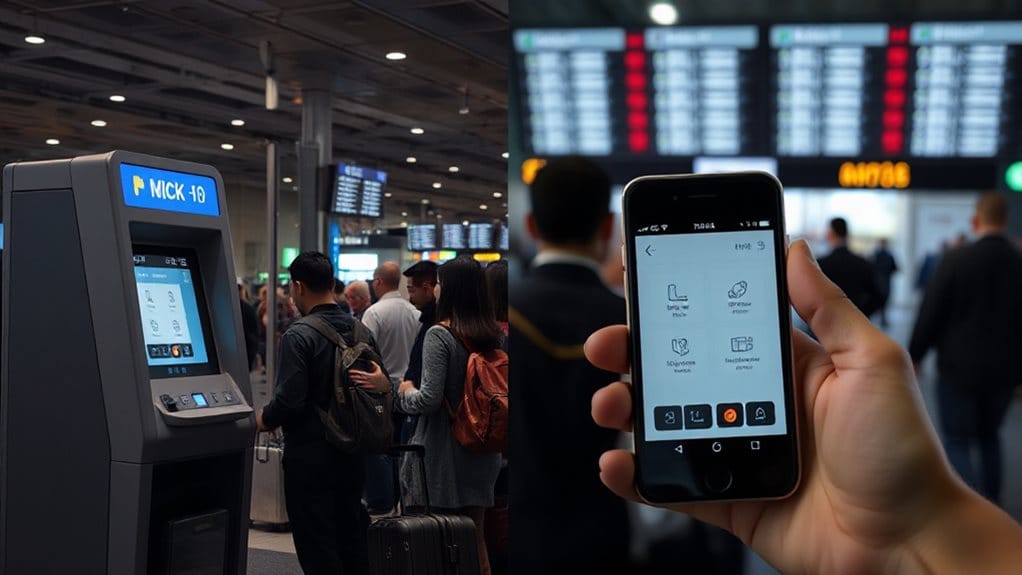
When you check in at the airport, the airline must staff extra personnel and maintain larger facilities, which drives up labor and infrastructure costs. Those same resources handle baggage, and any delays in processing can cause longer wait times and occasional missed‑flight penalties for you. The combined effect is higher fees for both the carrier and the passenger, even before you see the final ticket price. Using smart fast-track lanes can help reduce these processing delays by cutting security and check-in wait times.
Labor Labor and Infrastructure Costs
Rising labor and infrastructure expenses are quietly inflating the price of airport check‑in for both airlines and passengers. You’ll see seat‑mile labor costs up 22% since 2019, with pilots earning $84.25 per hour and attendants $97 per flight hour.
Ground staff wages rose 6.2% and station personnel cost $4.95 per enplaned passenger, pushing ticket prices higher.
Baggage Handling Delays
If you check your luggage at the airport, you’re more likely to encounter delays and hidden costs than you’d with online check‑in. Airport congestion raises mishandling rates, which hit 0.60 % in December 2024, and loading errors doubled in 2022.
Airlines spend billions on tracking tech, while passengers risk delayed bags, extra fees, and missed connections, especially on international flights.
Missed Flight Penalties
Airport check‑in often leaves you exposed to a cascade of hidden costs when a missed connection occurs. You’ll face change and cancellation fees, higher‑priced rebooking, and sometimes overnight lodging if the next flight isn’t available.
Airlines rarely compensate for controllable delays, and U.S. carriers aren’t required to pay beyond refunds. European rules do enforce compensation for delays over three hours.
Why Some International Flights Still Require In‑Person Check‑In?
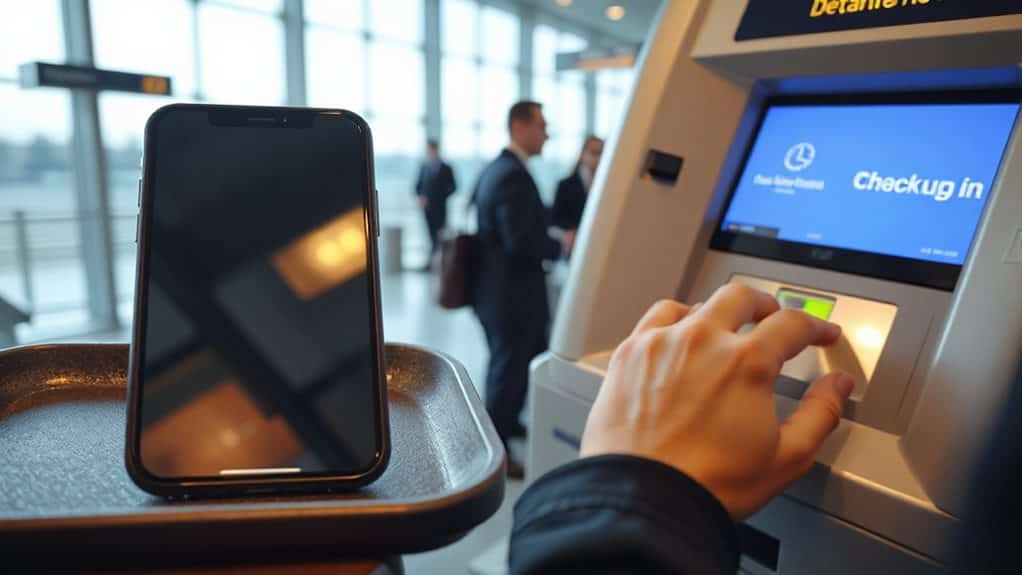
Because international airlines must verify that every traveler’s passport, visa, and electronic travel authorization meet strict government standards, many flights still require you to check in at the airport even after you’ve completed online check‑in.
You’ll face physical passport inspection, biometric matching, and immigration officer interaction.
Carriers keep discretion, and new ETA rules demand pre‑approval and in‑person identity confirmation before boarding.
Before you head to the counter, confirm your box meets the airline’s checked baggage size limits so it can be accepted as luggage.
Hybrid Check‑In Option: Self‑Service Kiosks
When you walk up to a self‑service kiosk, you can complete the entire check‑in process on your own—printing a boarding pass, tagging your luggage, and even confirming biometric identity—without waiting for an agent.
These kiosks handle multiple languages, facial or fingerprint scans, and print high‑volume tags, cutting queues and enhancing throughput.
They integrate with mobile and online systems, offering a seamless hybrid experience that saves time and reduces labor costs.
Step‑by‑Step Guide to Picking the Right Check‑In Method
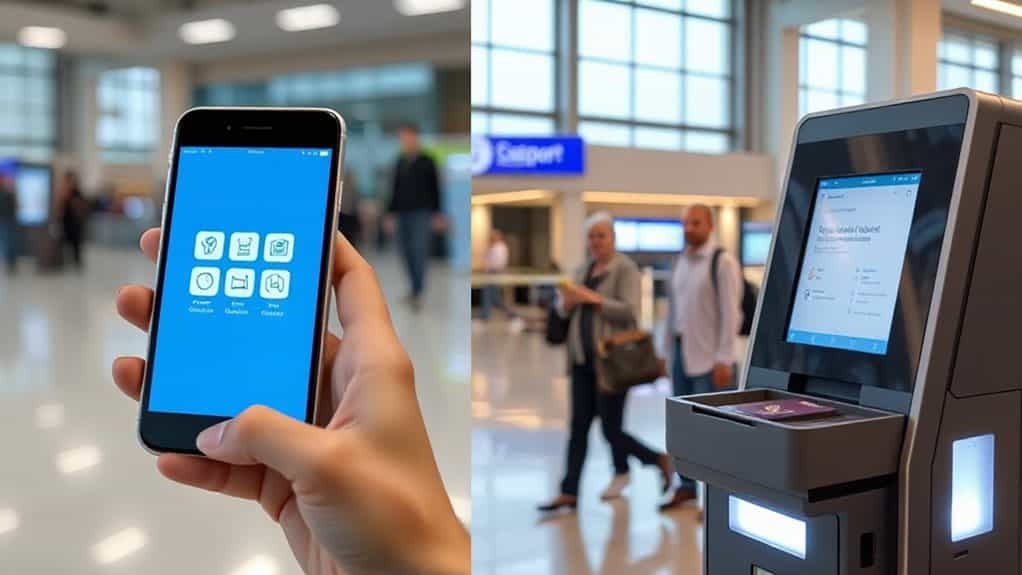
If you’re trying to decide whether to check in online or at the airport, start by evaluating three key factors: your luggage situation, the airline’s policies, and the flight’s requirements.
First, confirm if you have only carry‑on baggage; if so, online check‑in saves time.
Next, review airline rules for international routes or budget carriers that mandate counter check‑in.
Finally, assess visa, customs, or schedule‑change needs that may require in‑person assistance.
Choose the method that aligns with these criteria for a smooth, unrestricted travel experience.
Quick Reference Table: Pros, Cons, and Best‑Use Scenarios
Starting with a quick glance at the key points lets you instantly see which check‑in method fits your trip.
Online check‑in offers early seat choice, cheaper bag fees, and no lines, but you still need a drop‑off and risk technical glitches.
Airport check‑in gives personal help, secure bag handling, and last‑minute changes, yet queues and extra fees can slow you down.
Choose based on flight length, baggage, pets, and carrier.
And Finally
You’ll find that online check‑in saves time and often money for domestic carry‑on trips, but it can expose you to glitches and oversold‑flight issues. Airport check‑in remains essential for bag drops, last‑minute flight changes, and many international itineraries. Hybrid kiosks blend convenience with personal assistance. Choose the method that matches your itinerary, luggage needs, and risk tolerance, and follow the step‑by‑step guide to help a smooth start to your trip.