You earn miles when you fly, stay at partner hotels, rent cars, or spend on a co‑branded credit card, and the airline records each transaction against your unique member number. Those miles sit as a liability that the airline can sell to partners, generating cash even before you redeem them. When you book a reward ticket, the system checks your balance, applies any elite‑status multipliers, and reserves a seat in a limited award‑only inventory. Elite tiers provide access to extra bonuses, priority services, and targeted upsell offers, turning frequent flyers into higher‑spending customers. Continue exploring to see how revenue‑based and distance‑based earning models differ and what perks await at each status level.
TLDR
- Members earn miles from flights, partner services, and co‑branded credit‑card spend, often based on fare price rather than distance.
- Earned miles accumulate in a personal account and can be redeemed for award tickets, upgrades, or ancillary perks without a flight‑frequency requirement.
- Airlines sell miles directly to credit‑card issuers and consumers, generating a significant, steady cash‑flow that offsets seasonal travel dips.
- Elite tiers are granted by scoring models that weigh fare class, spend, and engagement; higher tiers unlock bonuses and encourage premium purchases.
- Real‑time pricing and seat inventory control determine award‑seat availability, influencing whether members book with cash, miles, or a combination.
Frequent Flyer Program Basics

In a frequent flyer program, airlines reward you with miles or points for every flight you take, and you can also earn them through partner hotels, car rentals, and credit‑card purchases. You sign up for free online, receive a unique number, and enter it when booking. Miles accumulate from flights, partner services, and cards, and you can redeem them for free tickets, upgrades, or perks, while no frequent‑flight requirement limits participation. Free enrollment allows anyone to join without a commitment. Additionally, buddy pass travel is typically standby-only operation, meaning seats are available only after ticketed passengers board.
How Airlines Profit From Frequent Flyer Miles
You’ll see that airlines turn mileage sales into a steady cash stream, often by partnering with credit‑card issuers that pay for the right to issue miles.
Those same miles help push frequent flyers into elite tiers, where they spend more on tickets and ancillary services.
Together, these revenue sources can account for double‑digit percentages of an airline’s total earnings.
Real-time pricing can also influence how many seats are made available at certain fare buckets, affecting what members are willing to buy with cash or points.
Mileage Sales Revenue
Generating mileage sales has become a cornerstone of airline profitability, turning loyalty programs into a multi‑billion‑dollar revenue engine.
You’ll see airlines sell miles directly and through co‑branded cards, converting liability into passenger revenue when points are redeemed.
Buyers typically fly five times more, enhancing overall spend.
This revenue stream accounts for double‑digit percentages of total earnings, keeping airlines profitable even during travel lulls.
Elite Tier Upsell
When airlines identify members who are close to reaching the next elite tier, they use scoring models that blend fare class history, route preferences, ancillary purchases, and digital engagement to flag high‑value upsell opportunities.
You’ll see targeted offers for paid upgrades, bundled ancillaries, and subscription services.
Data on seat, bag, Wi‑Fi purchases, co‑brand card spend, and app activity drive flexible pricing, nudging you toward premium tiers while enhancing airline revenue.
Revenue‑Based vs. Distance‑Based Earning in Frequent Flyer Programs

If you compare the two main ways airlines credit miles, the distinction between revenue‑based and distance‑based earning becomes clear. Revenue‑based programs give you a mile for every cent spent, favoring high‑spending travelers and often using multipliers like 5× or 6× fare. Distance‑based plans award miles per flight segment, typically 100 % of the route length, with bonuses for premium cabins. Both models affect how quickly you accumulate miles for future travel, and the choice influences how airlines manage revenue management systems and seat pricing decisions.
Frequent Flyer Points‑to‑Perks Redemption Process
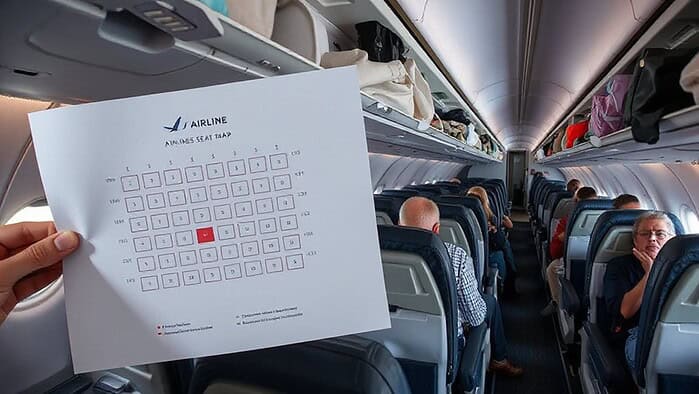
Once you’re logged into your airline loyalty account, you can start the redemption process by checking your mileage balance and selecting the “redeem miles or points” option from the main menu. Then you search for award flights, filter for rewards-only seats, and compare peak versus off-peak pricing. Choose your cabin, confirm the itinerary, and finalize the booking, saving the confirmation email. You can also use peak vs off-peak differences to improve redemption value.
Elite Status in Frequent Flyer Programs: Qualification & Benefits
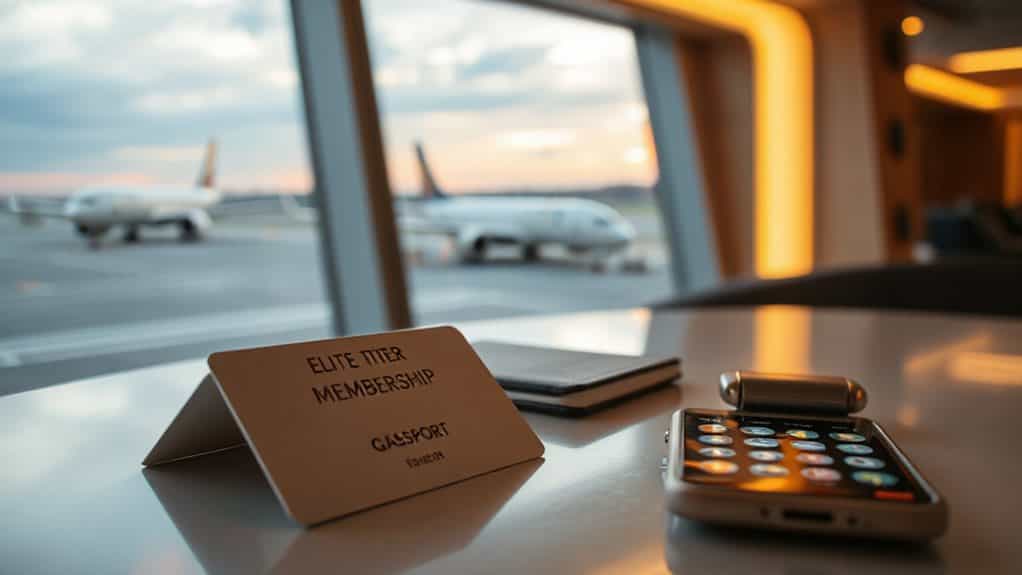
Although each airline’s elite program differs, they all require you to meet a specific combination of flight activity, spend, or earned points within a set qualification period to access tiered benefits. You chase loyalty points, miles, or qualifying flights to hit thresholds like American’s 40 k points for Gold, Delta’s Medallion miles, or United’s PQF/PQP mix. Once qualified, you gain free‑bag allowances, priority boarding, lounge entry, and flexible change policies, giving you the freedom to travel on your terms. Many travelers also use status-match programs to reach qualifying tiers quickly and unlock priority perks sooner.
Next‑Generation Frequent Flyer Loyalty Programs and Partnerships
Since airlines are reshaping loyalty, next‑generation frequent‑flyer programs now blend flexible earning models, tiered benefits, and deep partnerships to reward both spenders and travelers.
You’ll pick an earning preference—miles, dollars, or segments—like Alaska’s Atmos Rewards, then enjoy unlimited upgrades as a Titanium elite.
Card‑linked spending drives double miles, while AI‑personalized offers and cross‑brand gift cards deliver instant, mobile‑first rewards across alliances.
These models increasingly rely on real‑time tracking to surface tailored benefits at the moment of purchase.
And Finally
You now see how frequent‑flyer programs turn travel into a revenue engine for airlines, using miles earned through distance or spend, and convert those miles into perks via a structured redemption process. Elite status adds extra benefits, while newer programs broaden value through partnerships and data‑driven offers. Understanding these mechanics lets you evaluate the true cost and benefit of each flight, helping you make informed decisions about loyalty‑based travel.