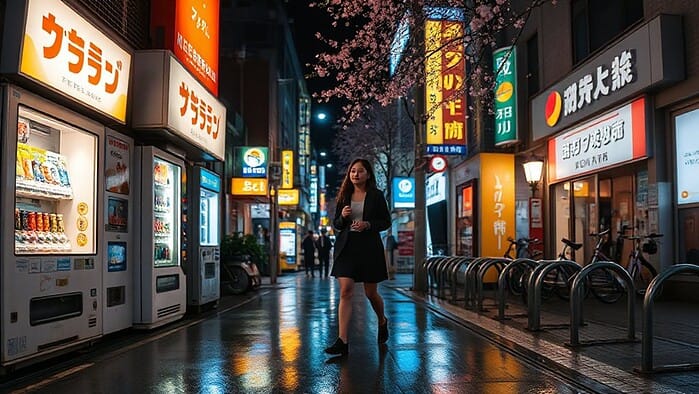
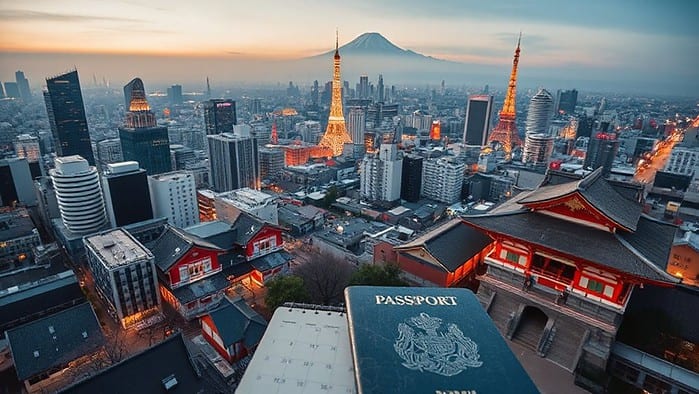
Yes, Tokyo is very safe at night, especially compared to other major global cities. You’ll find well-lit streets, active public transit, and plenty of people even after dark. Most incidents involve petty theft in crowded areas like Kabukicho or Shibuya, so stay aware and keep your belongings secure. Violent crime is rare, and neighborhoods like Kichijoji and Setagaya feel especially calm. With strong policing and community safety, you can walk confidently—just stick to busy, well-traveled areas. Smart choices make nighttime exploration worry-free. You’ll see how easy it is to stay safe once you know the patterns.
TLDR
- Tokyo is generally very safe at night, especially compared to other major global cities.
- Higher-risk areas like Kabukicho and Roppongi have scams and pickpocketing but remain low in violent crime.
- Well-lit streets, active transit, and frequent police patrols enhance nighttime safety across most wards.
- Safest neighborhoods at night include Kichijoji, Setagaya, and Bunkyo, with strong community presence and lighting.
- Simple precautions like guarding belongings and avoiding isolated areas minimize risks after dark.
Tokyo’s Night Safety by the Numbers
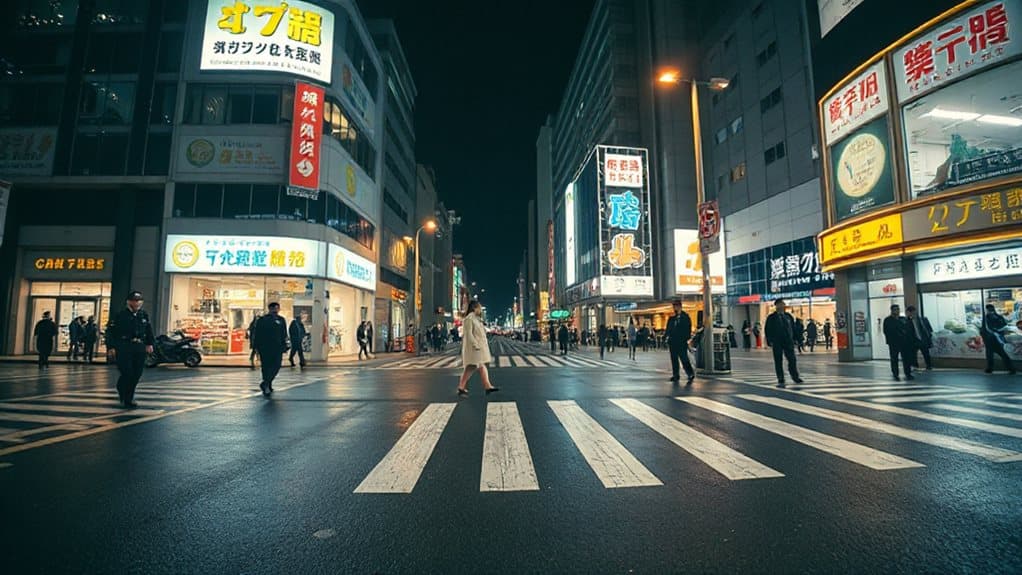
While Tokyo remains one of the safest major cities in the world, crime rates do vary considerably across its 23 wards—especially at night.
You’ll find higher incidents in Shinjuku and Shibuya, where theft, scams, and nightlife disputes are common. Kabukicho and Roppongi report drink spiking and pickpocketing. Still, overall crime remains low compared to global cities, so you can move freely with normal caution after dark. In Ikebukuro’s East Exit area, travelers should be wary of fake helpers offering assistance. A popular evening pastime nearby is horse racing at venues like Happy Valley and Sha Tin, which can attract lively crowds and occasional disturbances.
Safest Neighborhoods to Walk in Tokyo at Night
Tokyo’s quieter neighborhoods offer a reassuring sense of safety when walking at night, even if you’re exploring solo or returning home late.
Kichijoji’s lively yet calm streets and Inokashira Park make it ideal.
Setagaya, Meguro, Nerima, and Bunkyo boast low crime, good lighting, and community patrols.
With koban nearby and secure housing, you can move freely, confidently, knowing these areas are designed for peaceful, safe nighttime walks.
Many families also enjoy nearby daytime attractions like Shinjuku Gyoen for relaxing walks and green space.
Tokyo Areas to Avoid After Dark
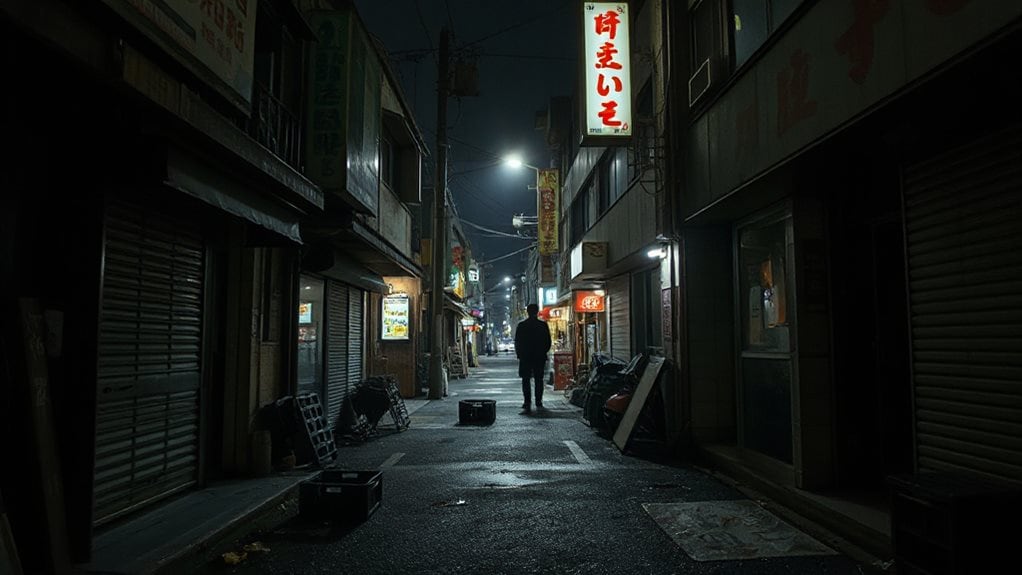
When darkness falls, some parts of Tokyo demand extra caution despite the city’s overall safety.
Avoid Kabukicho in Shinjuku—it’s notorious for scams, theft, and fights.
Steer clear of Shibuya’s Center Gai and Dogenzaka at night due to pickpocketing and drunk disputes.
Ikebukuro’s east exit has fraud risks, while Adachi Ward’s Kita-Senju and Takenotsuka report higher crime.
Akabane’s east side and Roppongi also pose concerns after dark.
Many travelers find choosing an aisle seat or staying in well-lit, populated areas helps reduce risk and maintain personal safety.
What Makes Tokyo’s Streets So Safe at Night?
Because Japan maintains some of the lowest crime rates in the world, you can walk through most of Tokyo at night with little fear of encountering serious danger.
You’ll notice well-lit streets, active public transit, and people out late, all contributing to safety.
Strong social trust, visible law enforcement, and efficient urban design mean you can move freely, confidently, and without constant vigilance, even after dark.
Planning and following travel warnings and taking common-sense precautions (like securing belongings and staying aware of your surroundings) further reduce risks.
Is Tokyo Safer at Night Than New York or Paris?
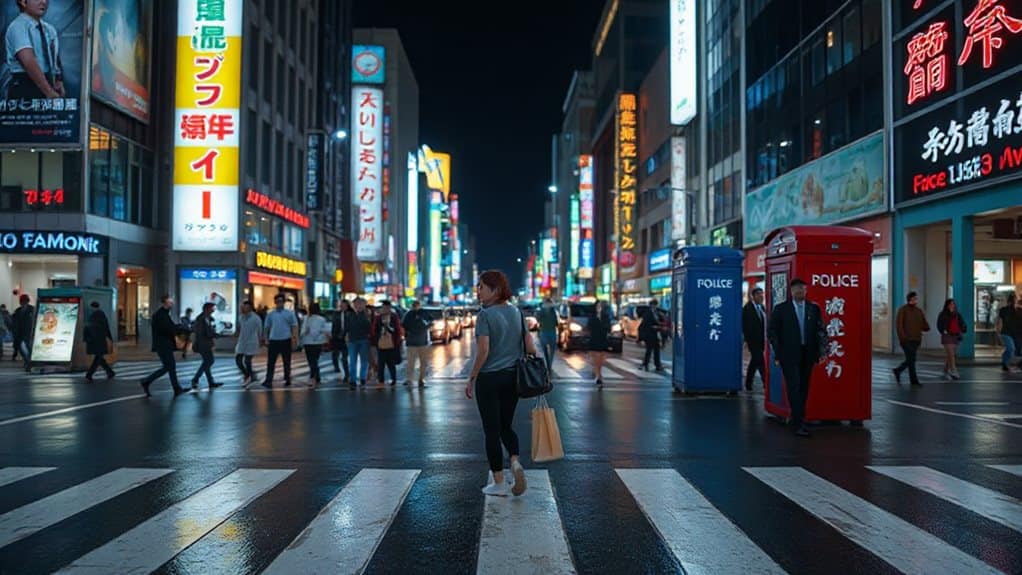
Generally speaking, Tokyo remains a far safer bet at night than most major Western cities, including New York and Paris, especially when it comes to violent crime.
Theft and fraud occur, but assaults are rare.
While Kabukicho or Roppongi may feel sketchy after dark, overall risks stay low.
You can walk late at night with caution, unlike in many Western urban centers where safety concerns are more widespread and severe.
Commercial air travel is much safer than driving, with about 0.07 deaths per billion passenger miles, which helps explain why long-distance travel by air is often the safest option for getting between cities air travel safety.
And Finally
You’ll find Tokyo remarkably safe at night, even compared to cities like New York or Paris. Low crime rates, strong community policing, and well-lit streets make walking common after dark. Stick to busy, populated areas like Shibuya or Shinjuku for added comfort. While no city is risk-free, Tokyo’s order and visibility reduce concerns. Always stay aware, but rest assured—nighttime exploration here is generally secure and widely practiced by locals and visitors alike.