Skip the crowds and head to Camley Street Natural Park or St Dunstan in the East, where ivy-clad ruins hide tranquil gardens. Wander Kynance Mews for wisteria-draped arches or discover Eltham Palace’s Art Deco revival. Follow the canals in Little Venice or unwind at Canbury Gardens during riverside jazz events. Shop at Leather Lane Market for quick, local bites and vintage finds at Camden. Sip afternoon tea at MAP Maison for charm without the price tag—there’s more where that came from.
TLDR
- Visit hidden green spaces like Camley Street Natural Park or St Dunstan in the East for peaceful urban escapes rich in history and wildlife.
- Explore secret mews such as Kynance Mews and St Luke’s Mews, especially in spring when wisteria blooms create picture-perfect streetscapes.
- Discover forgotten ruins turned gardens, including Eltham Palace and Charterhouse, where history blends with serene, lush greenery.
- Escape crowds at riverside spots like Little Venice or Eel Pie Island, ideal for quiet walks and local art and music scenes.
- Skip touristy tea spots and try local favorites like MAP Maison or Leather Lane Market for authentic, budget-friendly London food and drink experiences.
Find London’s Hidden Green Spaces Only Locals Know
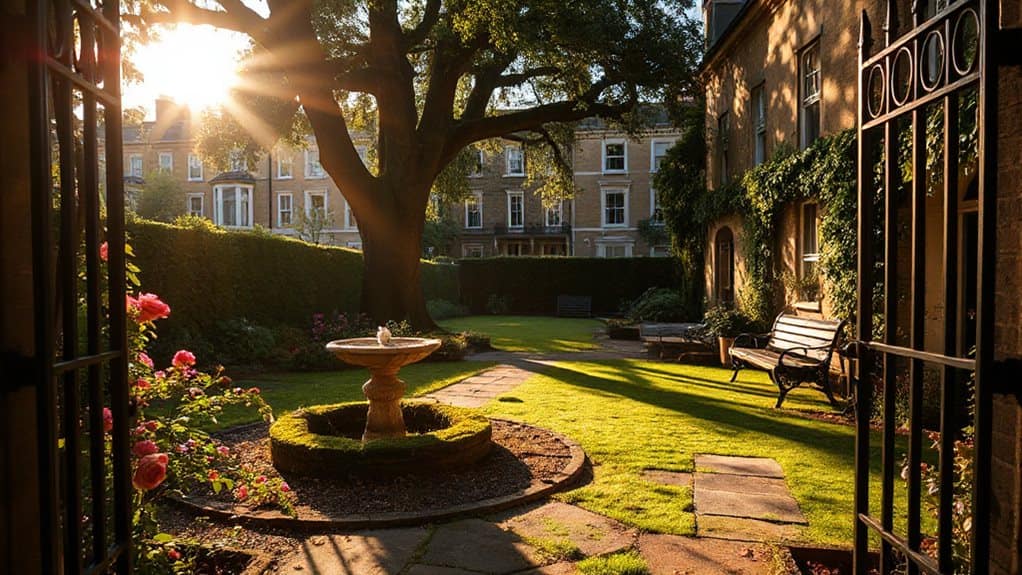
Tucked away between London’s teeming streets and iconic landmarks are quiet green oases that many tourists overlook.
You’ll find Camley Street Natural Park near King’s Cross, alive with wildlife.
St Dunstan in the East hides in the City, a lush ruin.
Culpeper Community Garden in Islington offers plots and ponds.
Hampstead’s Pergola weaves through greenery.
Check Phoenix Garden’s site—it’s closed for now.
Cua Dai beach is a short ride from town and considered one of the best beaches around Hoi An and in Vietnam.
Explore Secret Mews and Cobblestone Courtyards
You’ll find some of London’s most charming mews in Kensington, where Kynance Mews enchants with wisteria in spring and autumn hues.
Hidden behind archways, cobbled courtyards like Elvaston Mews and Cranley Mews offer quiet beauty and pastel facades, perfect for a quiet stroll.
Don’t miss Notting Hill’s St Luke’s Mews, famous from *Love Actually*, or Mayfair’s Brook’s Mews, lined with shops and flower boxes.
Charming Mews To Explore
Wander through London’s hidden mews and you’ll step into a quieter side of the city, where cobblestone lanes and converted stables offer a glimpse of historic charm amid modern life.
Discover Kynance Mews for wisteria-covered arches, or visit St Luke’s, famed from *Love Actually*.
Don’t miss Holland Park’s grand listed archway or Cranley’s pastel facades.
Each mews, from Notting Hill to Mayfair, reveals unique character, history, and quiet beauty just steps from lively streets.
Hidden Courtyards Worth Finding
While much of London’s charm lies in its grand landmarks, some of the city’s most peaceful retreats are found off the beaten path, where hidden courtyards offer quiet escapes steeped in history.
You’ll uncover Hampstead Hill Garden’s leafy pergola, Phoenix Garden’s community-built paths, St John’s Priory’s medieval cloister, Cleary Gardens’ Roman roots, and St Dunstan’s ivy-clad ruins—each a secluded haven amid the urban rush.
Discover Forgotten Ruins Turned Secret Gardens
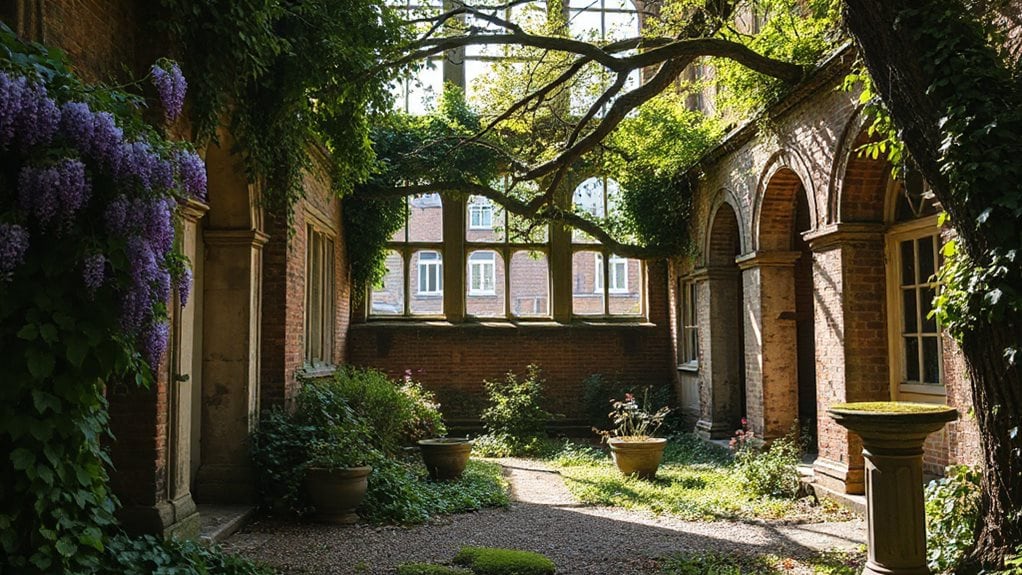
You’ll find peace among London’s forgotten ruins turned secret gardens. St Dunstan’s in the East offers tranquil Gothic remains softened by vines and trees, now a quiet green space since 1971.
Nearby, Eltham Palace blends Art Deco style with medieval foundations, while the Charterhouse reveals hidden courtyards with centuries of history behind its quiet walls.
St Dunstan’s East Tranquility
Tucked between the bustling streets near London Bridge and the Tower of London, St Dunstan in the East stands as a quiet tribute to resilience and reinvention.
You’ll find ivy-clad ruins, palm trees, and a fountain where the nave once was. Bombed in 1941, its surviving Wren tower and walls were converted into a public garden by 1971.
Now, it offers peaceful retreat amid city chaos—free, open, and unguarded.
Eltham Palace Art Deco Splendor
Just a short trip from central London, Eltham Palace reveals a striking blend of medieval history and 1930s glamour, offering a contrast to the quiet church ruins of St Dunstan in the East.
You’ll investigate a moated manor turned royal palace, then step into a sleek Art Deco home designed by the Courtaulds. Admire the bold geometric interiors, underfloor heating, and synchronized clocks—all revolutionary then.
Wander the lush gardens, once royal hunting grounds, now peaceful retreats perfect for a free-spirited escape.
Charterhouse Hidden Courtyards
Behind the high Tudor walls of Charterhouse lies a network of secluded courtyards and gardens, once part of a 14th-century monastery built atop a Black Death burial ground.
You’ll find seven acres of green space, including Norfolk Cloister Garden and Mentor’s Garden, hidden within historic walls.
Monks lived in isolated cells, and during WWII, the courtyards grew food.
Now home to retired Brothers, the site opens Sundays and during London Open Gardens, offering rare access to its peaceful, storied grounds.
Wander London’s Hidden Village Greens
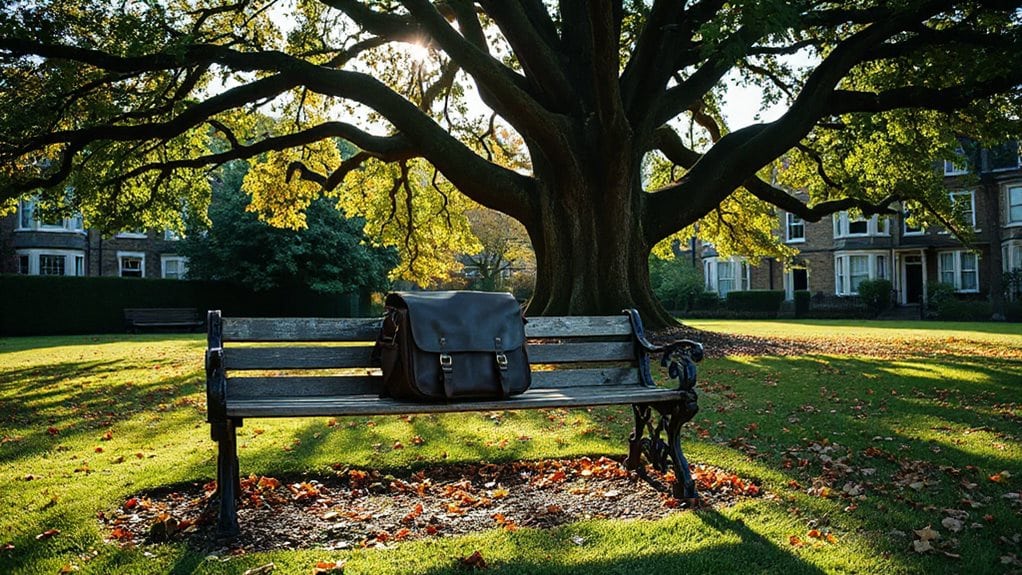
Nestled between lively streets and residential enclaves, London’s hidden village greens offer quiet retreats steeped in history and community life.
You’ll find Brook Green Village buzzing with markets and playgrounds, while Barnsbury Wood, tucked behind houses, teems with rare beetles.
Phoenix Garden thrives on a former bomb-site, St Dunstan’s hosts overgrown ruins, and Cloister Garden bursts with herbs—each green a peaceful, accessible escape.
Uncover Quiet Riverside Escapes Off the Tourist Trail
Where can you find riverside charm without the crowds? Explore Shad Thames—cobblestones, old warehouses, and overhead walkways near Tower Hill.
Seek Little Venice’s canals, pastel homes, and floating cafés.
Stroll Strand-on-the-Green’s quiet banks or relax at Canbury Gardens with jazz by the river.
Discover Eel Pie Island’s art scene and music roots via a footbridge in Twickenham.
Don’t miss the chance to visit a nearby botanic garden for tranquil riverside paths and seasonal displays, especially the Christchurch Botanic Gardens, which feature annual bedding displays and Avon River views.
Shop Like a Local: Markets Londoners Love
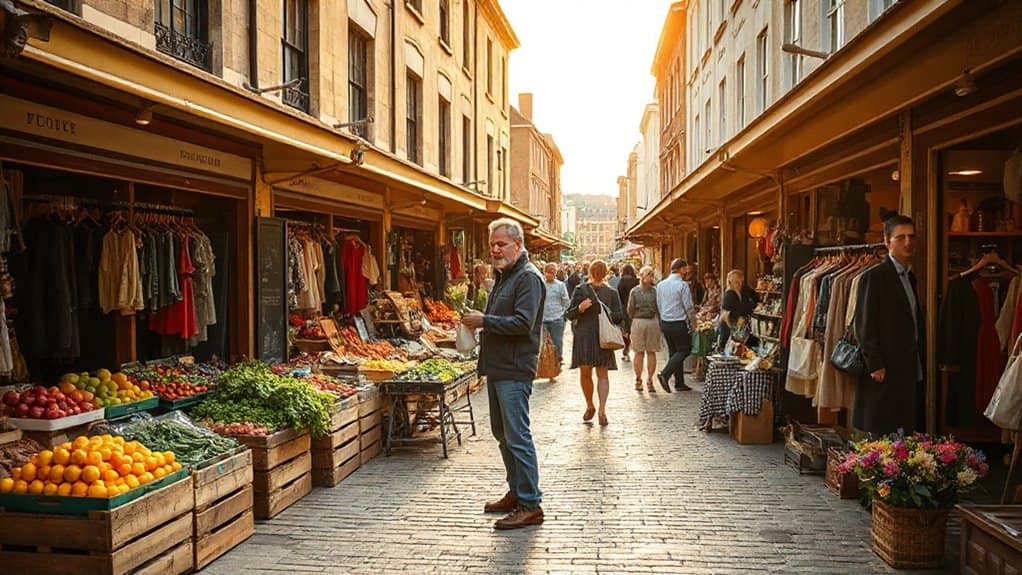
Skip the high-street chains and head straight to the lively markets where Londoners shop for vintage finds, handmade goods, and global street food.
Discover Camden Market’s eclectic stalls and buzzing atmosphere, browse antiques at Portobello Road, or hunt for avant-garde fashion at Old Spitalfields.
Grab lunch at Leather Lane’s food vendors or join locals at Venn Street Market for seasonal produce—all lively, authentic spots full of character and choice.
Visit Malaysia to explore diverse markets and local food scenes in places like George Town and Kuching’s bustling Chinese markets, which reflect similar vibrant street-food cultures and historic market districts in other cities, such as George Town and its UNESCO-listed streets.
Taste the City: Where Locals Do Afternoon Tea
You’ll often find Londoners indulging in afternoon tea at spots that go beyond the tourist-favorite hotels, choosing instead a mix of affordable gems, historic institutions, and uniquely themed experiences.
Try MAP Maison in Dalston for budget-friendly treats from £27.50, or unwind at The Tea Terrace’s pink-themed room.
For history, visit Fortnum & Mason or The Savoy.
Love whimsy? Go to Aqua Shard for Peter Pan-themed delights on the 31st floor.
Many travelers pair London city breaks with longer trips to destinations like New Zealand for its diverse landscapes and outdoor activities, especially during the December–February peak season.
And Finally
You now have practical tips Londoners use to investigate the city like a local. From hidden green spaces to quiet riverside paths, these spots offer a break from crowds. You can shop at beloved markets and enjoy authentic afternoon tea where residents do. These experiences give you a more genuine feel for London. Use them to travel deeper, save time, and unearth charm beyond the guidebooks.


