Airlines sell more tickets than seats to offset 5‑15 % no‑shows, using data‑driven models like binomial, Poisson and Monte‑Carlo simulations that balance extra revenue against denied‑boarding costs. U.S. law requires compensation—up to 400 % of a one‑way fare or $2,150—when you’re involuntarily bumped, and similar rules apply internationally. Your priority depends on check‑in time, elite status and carry‑on size, while airlines such as Frontier overbook most often and Southwest and JetBlue the least. If you keep going, you’ll find out more strategies and details.
TLDR
- Airlines sell more tickets than seats to offset 5‑15% no‑show rates, using statistical models and real‑time demand data.
- Overbooking limits are set so the chance of exceeding capacity stays below a regulator‑defined threshold, balancing revenue against bump costs.
- If you’re involuntarily bumped, U.S. law mandates compensation based on fare and delay length (up to 200‑400% of the one‑way fare).
- Bumped passengers must receive a written notice of rights, immediate compensation or voucher, and assistance such as meals, lodging, and rebooking.
- Priority for seating is based on check‑in time, elite status, and carry‑on size; airlines like Frontier overbook most, while Southwest and JetBlue have the lowest bump rates.
What Is Airline Overbooking and Why Do Airlines Do It?
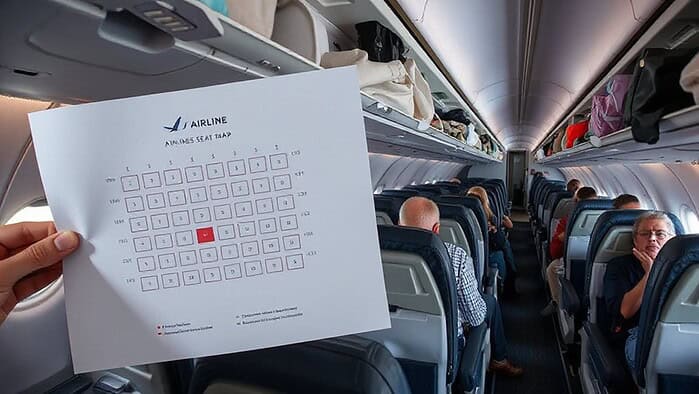
Overbooking happens when airlines sell more tickets than there are seats on a flight, and it’s a common practice across the travel industry.
You’ll find that airlines do this to offset 5‑15 % no‑show rates, using historical data and algorithms to predict empty seats. Federal law requires airlines to compensate passengers who are involuntarily bumped.
Because airlines use real-time pricing and dynamic demand signals to manage seat inventory throughout the day, overbooking helps ensure flights are filled profitably even when some passengers don’t show up.
How Are Overbooking Rates Calculated & Regulated?
You’ll see that airlines use models like the newsvendor and EMSR to balance the cost of denied boarding against lost revenue, calculating a critical ratio that translates into a best overbooking quantity. At the same time, regulators such as the DOT set compensation thresholds and limits on how many extra seats can be sold, ensuring airlines stay within legal bounds while managing risk. Together, these calculation methods and oversight standards shape the overbooking rates you encounter when booking a flight, and this is closely tied to how airlines manage seat inventory in real time.
Calculation Methodology
In practice, airlines calculate overbooking rates by modeling the probability that each booked passenger actually shows up and then balancing the expected revenue against the costs of denied boarding or empty seats.
They use binomial or Poisson distributions, Monte‑Carlo simulations, and EMSR heuristics to estimate show‑up rates, denial penalties, and spoilage costs.
The algorithm increments bookings until the probability of exceeding capacity falls below a set threshold, yielding an efficient overbook factor.
Regulatory Oversight Standards
Because the Department of Transportation (DOT) sets the legal structure for how airlines can sell more tickets than seats, the calculation and regulation of overbooking rates hinge on a blend of statistical modeling and statutory limits.
You’ll see DOT caps at $400 for domestic bumps, requires volunteer solicitation first, and mandates written rights notices.
Airlines may offer higher vouchers, but compensation stops if you miss the gate or check‑in deadline.
Airline Overbooking Impact: Stats on Denied Boarding
You’ll see that denied‑boarding rates have fallen to about 316,000 in the U.S. this year, while global incidents affect roughly 6.6 million travelers annually, translating into billions of dollars in lost revenue and compensation payouts. Airlines also weigh the risk using different baggage calculation types (piece-based, weight-based, or hybrid) because allowances can influence who boards with minimal hassle and who may be treated differently during irregular operations. Airlines such as Frontier still report the highest per‑10,000‑passenger rate at 3.43, whereas carriers like JetBlue and Southwest sit near 0.09, reflecting varied exposure to financial loss. Most involuntary bumps now trigger compensation based on ticket price and delay, and the growing trend of eligibility is reshaping how airlines manage overbooking costs.
Denied Boarding Rates
In Q4 2024, the U.S. average rose to 0.25 per 10,000 passengers, up from 0.20 a year earlier, while Frontier peaked at 3.43 per 10,000.
Global Financial Losses
Overbooking doesn’t just affect seat availability; it translates into sizable financial losses for passengers worldwide.
You’ll see 20 million travelers hit each year, with 6.6 million denied boarding and 71 % reporting missed transfers, accommodation costs, or lost business appointments.
Only 44 % pursue insurance claims, and nearly 1 million end up stranded without alternative flights, amplifying personal expenses and disruption.
Compensation Eligibility Trends
Typically, the compensation you’re eligible for after an involuntary denied‑boarding event hinges on the length of the subsequent delay and whether the flight is domestic or international.
Domestic delays of one‑to‑four hours earn 200 % of the one‑way fare, up to $1,075; four‑hour or longer delays double that to 400 % capped at $2,150.
International arrivals over three hours late may receive up to $650.
Airlines must offer alternative flights, meals, and lodging, and payment must be immediate unless you accept a voucher with disclosed restrictions.
What Legal Rights & Compensation Do Bumped Passengers Have?
What can you expect when an airline involuntarily bumps you from a flight? You’ll receive a written statement of your rights, and compensation based on fare and delay length.
For a 1‑2‑hour domestic delay, you get up to 200 % of the ticket (max $775); over 2 hours, up to 400 % (max $1,350).
Refunds cover unused services, and EU flights may add up to €600.
Which Airlines Overbook the Most?
If you’re trying to figure out which airlines push the limits on overbooking, the data from the U.S. DOT shows Frontier leads by a wide margin, with 3.21 involuntary denials per 10,000 passengers—about 400 % higher than American.
American follows at 0.6, then Spirit at 0.43.
Regional carriers like attempt (13.05) and SkyWest (7.99) rank higher, while Southwest (0.14) and JetBlue (0.09) sit at the bottom.
How Can You Avoid Involuntary Bumps When Booking?
Because airlines rank passengers by priority at check‑in, the earliest you secure a seat the lower your chance of being bumped.
To improve your odds, make sure your carry-on stays within Delta’s 22 x 14 x 9 in limit (including wheels and handles) so you aren’t forced to gate-check an oversized bag.
Sign up for a frequent‑flyer program and aim for elite status; even basic status elevates your priority.
Check‑in online as soon as possible, arrive early at the gate, and choose off‑peak morning flights.
Avoid basic‑economy tickets and travel with checked bags for added protection.
What Steps Should You Take If You Get Bumped?
Securing a seat early reduces the chance of being involuntarily bumped, but if it still happens you need to act quickly and methodically.
Request a written statement of your rights, verify your reservation and check‑in time, then decline any voluntary offers if you want full compensation.
If your carrier offers an alternative later, TSA PreCheck eligibility can help ensure you still move through security efficiently.
Negotiate rebooking, meals, hotel or vouchers, keep the ticket, and file a DOT or EC 261 claim within 24 hours.
Future Trends in Airline Overbooking: AI, Incentives & Policy
When airlines apply AI to overbooking, they first predict no‑show rates with data‑driven models that usually range from 5 % to 15 % depending on season, route, and carrier. Real‑time forecasts let them adjust seat inventory adaptively, while gate‑based volunteer auctions and generous vouchers reshape incentives. Regulatory updates under 14 CFR Part 250 tighten compensation, and DOT reports track volatile bump rates as demand and capacity surge. Added real-time load factors to match competitor pressure and optimize revenue decisions during contested market share.
And Finally
By understanding why airlines overbook, how rates are set, and what rights you have, you can steer the process confidently. Knowing which carriers overbook most and using strategies to avoid involuntary bumps reduces inconvenience. If you’re bumped, follow the outlined steps to secure compensation promptly. Stay informed about emerging AI‑driven policies and incentive changes, as they will shape future overbooking practices and passenger protections.