To qualify for a digital nomad visa, you need to show proof of remote income meeting the country’s threshold, have a valid passport with at least six months remaining, and provide documentation like bank statements or income certificates. Health insurance covering medical emergencies is usually required, along with proof of accommodation and background checks in some cases. Duration ranges from six months to a year, with options for extensions often available. If you continue exploring, you’ll find detailed requirements for each country and tips to steer the process.
TLDR
- Requirements vary but generally include proof of remote income, valid passport, health insurance, and accommodation proof.
- Income thresholds differ; some countries require over €4,500/month, others have no minimum.
- Essential documents include employment verification, bank statements, income certificates, and completed visa forms.
- Health insurance covering medical emergencies is typically mandatory; background and security checks may be required.
- Stay durations range from six months to one year, with options for extensions or renewals in many countries.
What Are the Basic Requirements for a Digital Nomad Visa?
To qualify for a digital nomad visa, you typically need to meet several basic requirements. You must demonstrate proof of income from remote work, often meeting a minimum income threshold. A valid passport, employment verification, and health insurance are essential. Additional documents, like background checks and proof of accommodation, are common, ensuring your visa approval process is smooth and straightforward. Seat belt extenders are also commonly provided by airlines if a passenger’s seat belt does not fit properly.
How Much Income Do You Need to Qualify?
The income requirements for digital nomad visas vary considerably, with some countries having no minimum income and others requiring over €4,500 ($5,000) per month.
You’ll typically need to provide proof of consistent remote income over several months to meet the specific country’s threshold.
Understanding these differences helps you determine if your financial situation qualifies you for the visa.
Income Thresholds Vary Widely
Income requirements for digital nomad visas can vary considerably depending on the country. Some nations, like Germany and Seychelles, have no minimum income.
Others, such as Estonia, require over $4,500 monthly. European countries like Croatia set thresholds around €1,800–€2,900.
Visa policies often demand proof of consistent remote work and income for the past few months.
Proof of Financial Stability
Demonstrating financial stability is a key step in qualifying for a digital nomad visa. You’ll need to provide proof of income through bank statements, income certificates, or other income documents.
Countries set specific income thresholds or require sufficient savings to show financial stability. These income requirements guarantee you meet the visa’s financial proof criteria for the duration of your stay.
Minimum Monthly Earnings
Minimum monthly earnings required for digital nomad visas vary substantially depending on the country.
To meet visa eligibility, you need to demonstrate qualifying income through income proof like bank statements, contracts, or tax documents.
Countries like Estonia (€4,500/month) and Norway (~$3,750/month) set specific income thresholds, while others, such as Germany, have no minimum income requirement.
What Documents Do You Need to Apply?
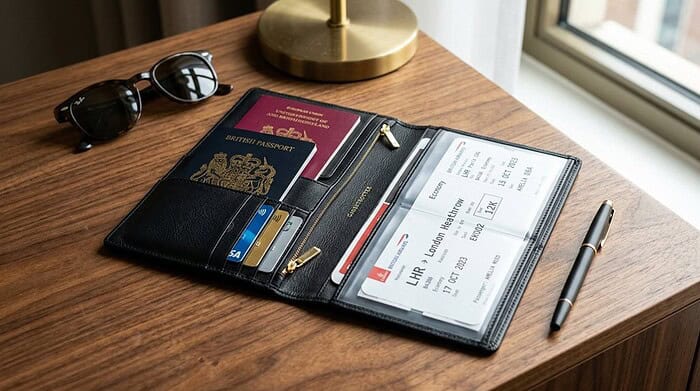
To apply for a digital nomad visa, you’ll need a valid passport with at least six months of remaining validity beyond your planned stay.
You’ll also be required to provide proof of remote income, such as bank statements or pay slips, demonstrating you meet the minimum income requirements.
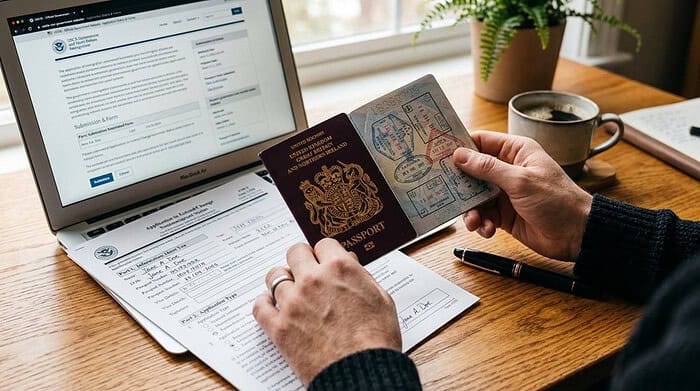
Additionally, many countries ask for supporting documents like health insurance coverage, proof of accommodation, and completed application forms.
You should also review the country-specific application rules before you submit, since some requirements can vary by airline policy.
Valid Passport Requirements
Most digital nomad visa applications require you to present a valid passport that remains effective for at least six months beyond your planned stay.
Your passport must include a clear biographical page, recent photograph, and blank pages for visa stamps or stickers.
Additional documentation, like previous entry stamps or visas, may be needed for verification of identification and travel history.
Proof of Remote Income
When applying for a digital nomad visa, you’ll need to provide proof of your remote income to demonstrate your financial stability.
This includes income verification through bank statements, official tax returns, or income certificates.
Remote work proof such as employment contracts, freelancing invoices, or client letters may be required, along with remote income documentation and supporting health insurance.
Is Health Insurance and a Background Check Required?
Many countries requiring digital nomad visas mandate proof of extensive health insurance coverage, ensuring applicants can handle medical emergencies during their stay. Typically, a health insurance policy covering healthcare costs is essential for visa approval, with documentation needed to demonstrate proof of coverage. Some programs may require insurance that meets specific minimum limits, like medical emergency coverage. Background checks are usually not mandatory, but some nations may conduct security checks as part of the application process.
How Long Can You Stay, and Can You Extend Your Visa?
Digital nomad visas typically allow you to stay in a country for a period ranging from six months to one year. Your stay duration depends on visa validity, with some countries offering visa extension or renewal options.
For example, Estonia and Portugal permit multiple renewals, while Croatia’s visa is non-renewable. Always check extension policies and stay limits before planning your long-term stay.
Are There Special Requirements for Freelancers or Employees?
Certain countries have specific requirements for freelancers and employees seeking digital nomad visas, often centered around proof of remote work. Freelancers typically need documentation of remote projects, client contracts, or professional licenses. Employees must provide employment contracts and a letter confirming work arrangements. Many nations also set minimum income thresholds, with documentation standards varying by category. TSA agents may also reserve the right to refuse items if they deem something hazardous.
How Do Visa Requirements Affect Your Tax Obligations?
Visa requirements such as the length of stay and renewal policies directly influence your tax obligations in both your home country and the host nation.
Meeting criteria like legal residency and proof of income can establish tax residency, affecting local taxes and foreign income reporting.
Proper tax planning helps avoid dual taxation and guarantees compliance with health insurance and documentation requirements.
And Finally
Understanding the requirements for a digital nomad visa helps you plan your travels effectively. By knowing the income thresholds, necessary documents, health insurance, and duration limits, you can guarantee a smooth application process. Be aware of any special conditions for freelancers or employees, and consider how visa rules might impact your tax obligations. Staying informed allows you to steer through different countries’ regulations confidently, making your shift to a nomadic lifestyle seamless and compliant.