You see flights rarely follow a straight line because airlines juggle weather, jet streams, aircraft limits, airport slots, runway lengths, fees, demand, and fuel efficiency. Storms and turbulence are avoided, while tailwinds are chased to cut burn. Aircraft range and climb‑descent requirements force detours, and short runways may require weight reductions or different planes. Slot scarcity at busy hubs and overflight charges shape waypoint choices. Demand forecasts and real‑time dispatch fine‑tune routes, and wind‑optimized paths lower cost‑per‑seat. Keep going to uncover more.
TLDR
- Weather and jet streams dictate fuel burn and safety, so pilots avoid storms, turbulence, and icing by altering routes.
- Aircraft range, performance limits, and weight restrictions require route adjustments to meet fuel, climb, and descent constraints.
- Airport slot availability and runway length restrictions force airlines to select airports and paths that fit capacity and performance requirements.
- Overflight fees and waypoint sequencing influence route choice, with cheaper corridors often preferred to reduce operational costs.
- Real‑time demand forecasting and dispatch use live data to optimize fuel efficiency, load factors, and respond to changing market conditions.
How Weather and Jet Streams Shape Airline Route Planning
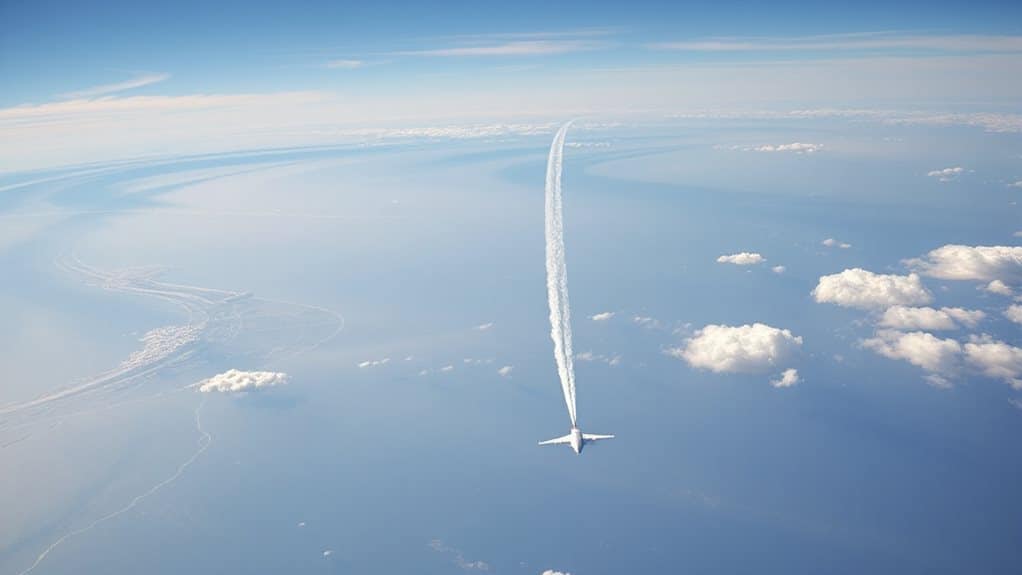
When airlines plot a flight, they first check the weather and jet streams because these factors dictate fuel burn, time, and safety. You’ll see them avoid convective storms that cause most delays, using real‑time data to sidestep turbulence and icing. Headwinds increase fuel use, so planners chase tailwinds and adjust routes daily, integrating wind forecasts to cut time and cost while preserving freedom to fly efficiently. Crosswinds during takeoff can reshape flight paths and require immediate route adjustments. lightning and heavy rain can also drive airlines to reroute around thunderstorms to protect safe takeoff and landing operations.
Why Aircraft Range and Performance Limits Force Route Changes
Airlines can’t always follow the straight‑line path that weather and jet streams suggest because each aircraft has a finite range and a set of performance limits that dictate how far it can fly safely.
You must account for fuel reserves, climb and descent requirements, and FAR‑mandated time‑on‑track constraints.
As weight drops, best cruise speed shifts, and runway‑dependent V1 limits may force detours to guarantee adequate fuel and safe margins.
Airlines also plan around refueling times so turnaround schedules and limited ground fuel flow don’t make the route impossible.
How Airport Capacity, Slots, and Runway Limits Affect Airline Route Planning
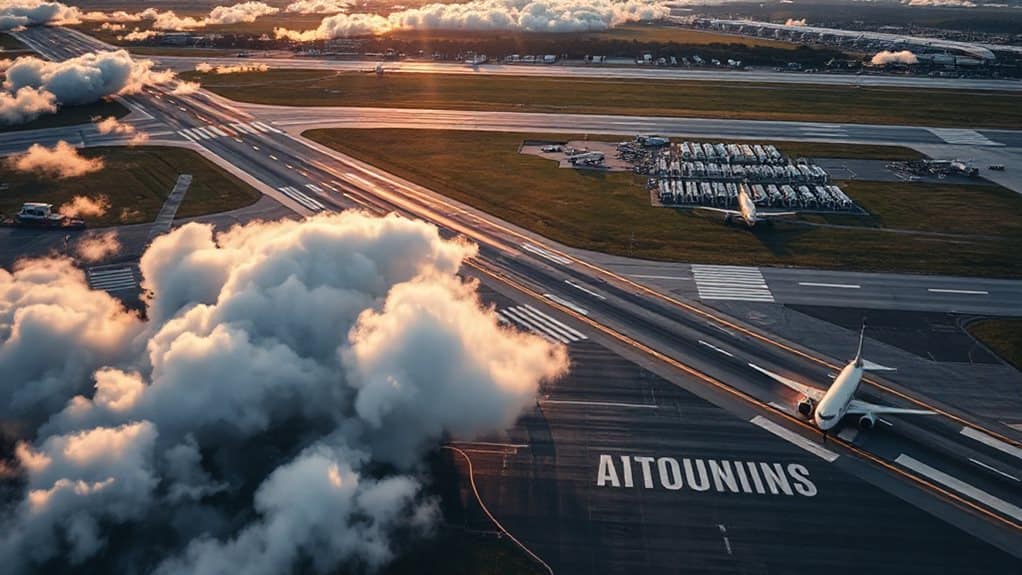
You’ll notice that the number of slots an airline can secure at a busy hub directly shapes which routes it can offer, especially when those slots are limited by Level 3 coordination.
At the same time, runway length restrictions dictate the size of aircraft you can operate, so you may need to choose smaller planes or alternate airports to stay within the available pavement.
Together, slot scarcity and runway capacity force airlines to adjust schedules, aircraft types, and even destination choices to fit the airport’s physical and regulatory limits.
In addition, airlines also factor airport congestion into timetable planning to reduce knock-on delays from late arrivals.
Slot Availability and Allocation
A typical Level 3 airport offers only a limited number of 20‑minute slots each hour, and those slots dictate exactly when you can land or take off.
You must request slots in UTC, and the coordinator checks them against declared capacity.
Historic usage lets you keep slots if you’ve filled at least 80 % of them; otherwise you lose them.
This allocation process shapes which routes you can realistically schedule.
Runway Length Constraints
Limited runway length can turn a seemingly viable route into an operational blocker, even when slots are available. You must check declared distances, slope, elevation, and weather against the aircraft’s AFM performance tables.
Short runways may force weight reductions or different aircraft, limiting range and payload.
Consequently, airlines match fleet size to runway capabilities, shaping route choices and frequency.
How Overflight Fees Influence Waypoint Choice
When airlines plan a flight, they often weigh overflight fees against other operational costs, because those toll‑like charges can shift the preferred waypoint sequence.
You’ll see them compare U.S. enroute rates of $61.75 per 100 nm with oceanic rates of $26.51, then calculate total cost using distance and weight factors.
Higher enroute fees push you toward cheaper oceanic waypoints, while low‑fee corridors let you shorten routes and preserve fuel.
Because Central Highlands routes may traverse fee-treated airspace near major protected areas, carriers can factor regional charge differences into the waypoint order they select.
How Demand Forecasting and Passenger Profiles Drive Airline Route Planning
You’ll see that market segmentation reveals let airlines match capacity to distinct passenger groups, while premium cabin yield catalysts highlight how higher‑fare travelers shape route profitability.
By feeding demographic and travel‑behavior data into GRU or TFT models, carriers predict where demand spikes will occur and adjust schedules accordingly.
This data‑driven approach makes certain that both economy and premium segments are served efficiently, strengthening load factors and overall revenue, and it does so by incorporating real-time load factors into routing and fare responsiveness.
Market Segmentation Insights
Because airlines rely on precise demand forecasting and detailed passenger profiles, they can tailor routes that maximize profitability while meeting market needs.
You’ll see cloud‑based tools dominate with 62% share, while low‑cost carriers, full‑service airlines, charters and regional operators each use software tuned to their market.
North America leads with 33% share, and AI‑driven analytics guide real‑time pricing, scheduling, and revenue decisions.
Premium Cabin Yield Drivers
What drives airlines to prioritize premium cabins in route planning is the precise blend of demand forecasting and detailed passenger profiles. You’ll see airlines allocate more premium seats where business travelers and high‑willingness‑to‑pay passengers dominate, especially on ultra‑long routes.
Forecasts show premium RPKs rebounding faster than economy, so yield management targets privacy seats, suites, and upgrades to maximize revenue per mile.
How Fuel Efficiency and Wind Optimization Cut Cost‑Per‑Seat
When airlines integrate wind‑optimal routing into their flight plans, they can shave up to 10 % off fuel consumption on transatlantic legs, directly lowering the cost per seat. You’ll see algorithms blend forecasted jet streams with graph‑search methods, cutting fuel burn and time. Real‑time wind data lets planes follow tailwinds, reducing emissions, expenses, and per‑seat fares while keeping schedules tight. TCAS core function helps ensure that even when routes are optimized for fuel and wind, pilots and aircraft maintain collision avoidance with automated traffic and resolution advisories.
How Cargo Partnerships and Network Fit Influence Airline Route Planning
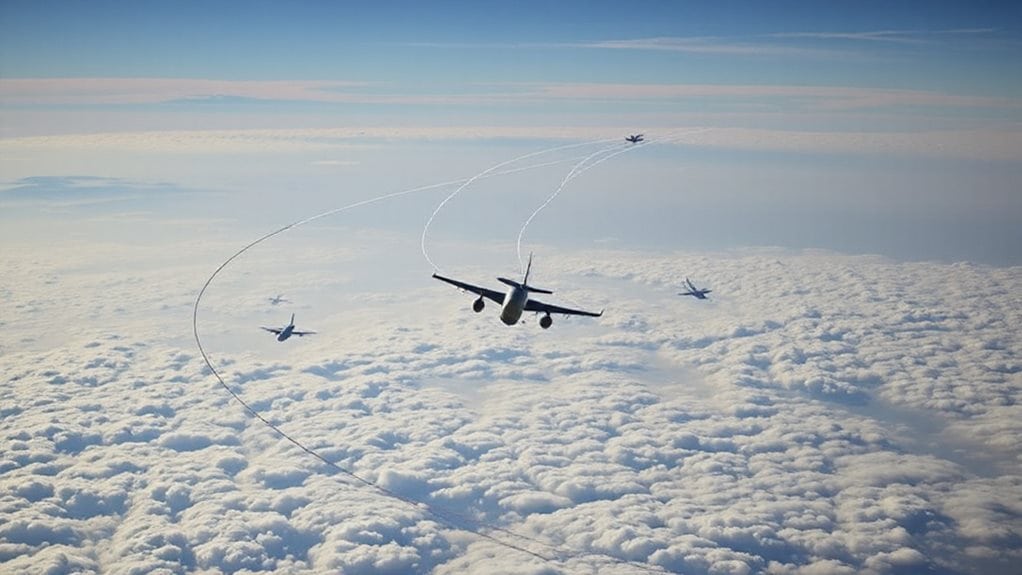
If you look at how airlines design their route maps, cargo partnerships and network fit are key drivers that shape every decision.
You’ll see Turkish Cargo’s Hong Kong code‑share, Emirates SkyCargo’s Teleport link, and multi‑stop freighter loops that fill planes and cut empty legs.
Shared costs, reciprocal capacity, and data‑driven load planning let you serve second‑tier cities, expand into Africa or Latin America, and stay flexible when demand shifts.
Real‑Time Dispatch and Weather Diversions
Because modern airlines rely on instant data streams, real‑time dispatch has become the backbone of safe and efficient flight operations. You see live GPS tracking, automated route batches, and instant weather updates feeding the dispatcher’s dashboard.
When a storm appears, the system flags the flight, and you and the captain decide together whether to swerve.
This shared authority, cloud‑based scheduling, and real‑time alerts keep flights safe and on schedule.
And Finally
In the end, you’ll see that flights don’t follow a single, static path; they constantly adapt to weather, jet streams, aircraft capabilities, airport constraints, fees, demand, fuel costs, and cargo needs. By balancing these factors, airlines choose routes that maximize efficiency, safety, and profitability. Understanding this adaptive planning helps you appreciate why a flight you board today may differ from the same route tomorrow.