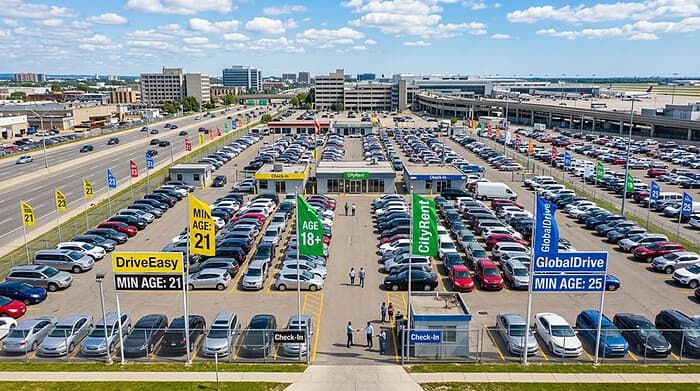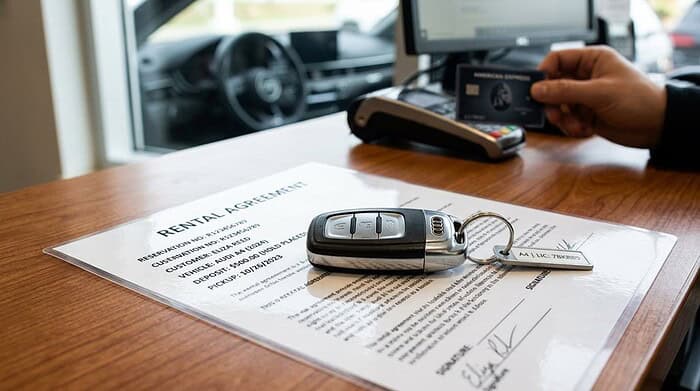
To avoid disputed rental car damage claims, thoroughly inspect the vehicle before and after your rental, noting all existing damages with detailed photos from multiple angles. Always review and sign the damage report, ensuring it matches what you observe. Keep records of rental documents, communication, and photos, especially for high-risk areas like bumpers and wheels. Understanding your insurance options, such as collision damage waivers, also helps reduce out-of-pocket costs. Continuing will reveal more strategies to protect your rental experience.
TLDR
- Conduct a thorough vehicle inspection with staff before and after rental, documenting all damages with timestamped photos.
- Review and understand the rental agreement’s damage policy to ensure proper documentation procedures.
- Use collision damage waiver insurance to minimize out-of-pocket repair costs and prevent disputes.
- Maintain detailed records of all communications, damage reports, and supporting photos throughout the rental period.
- Report and document any damages immediately to avoid misunderstandings and ensure accurate claims.
How to Prevent Damage Disputes Before Renting
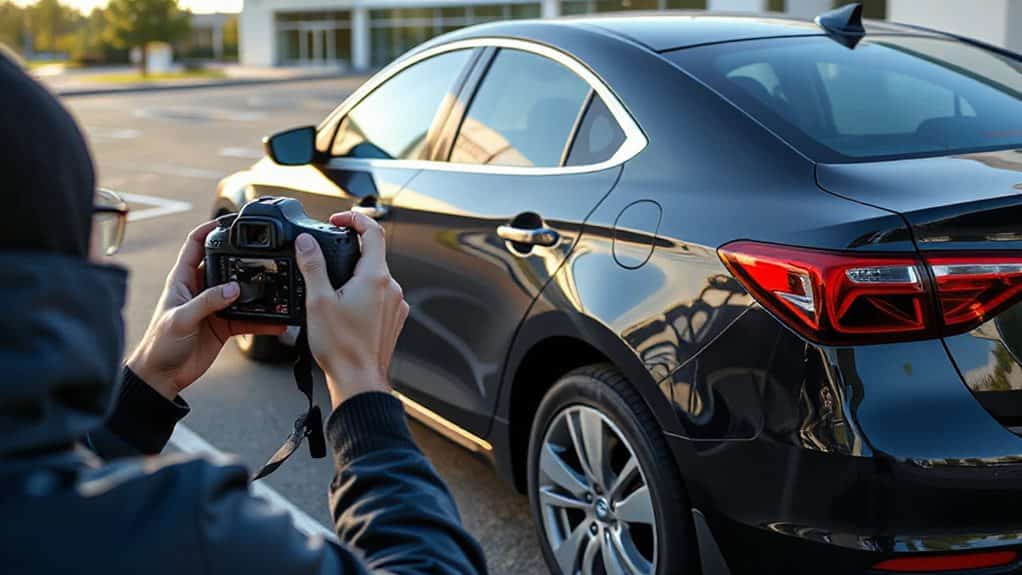
To prevent damage disputes before renting a vehicle, it’s vital to thoroughly document the car’s condition at pickup. Conduct a damage inspection, take pre-rental photos from multiple angles, and make certain all damages are recorded on a damage form or checklist signed by staff. Review the rental agreement’s damage policy to understand how damage documentation helps dispute prevention and maintains vehicle condition. If you later cancel or shorten the rental beyond the deadline or after check-in, an early departure fee may be charged depending on the rental company’s policy.
Key Steps for a Thorough Rental Car Inspection
To guarantee you’re protected from future disputes, it’s essential to conduct a thorough in-person inspection of the rental car before driving off. This involves carefully examining all exterior parts, taking timestamped photos and videos, and asking staff to document any existing damages. Verifying that the damage report matches your observations and requesting a copy for your records can prevent misunderstandings later. As part of your inspection, don’t forget to check the seat belt extender and ask staff how they handle requests if a belt doesn’t fit properly.
Document Damage Beforehand
Before driving off with your rental car, it’s essential to thoroughly document its condition to avoid disputes later. Use damage documentation techniques like timestamped photos and a detailed damage report to record pre-existing damage.
Conduct a vehicle inspection with a damage checklist, noting all damages and requesting a signed record of damages to guarantee your documentation matches the vehicle’s condition.
Conduct In-Person Inspection
Performing a thorough in-person inspection of the rental car is an essential step before leaving the lot, as it helps verify all existing damages are accurately recorded.
During the damage inspection, review the vehicle condition with the rental agent, confirm pre-existing damages are documented on the damage report, and take photographs from multiple angles.
Conduct a final inspection and photograph the vehicle at drop-off to avoid disputes.
How to Keep Records to Support Your Damage Disputes
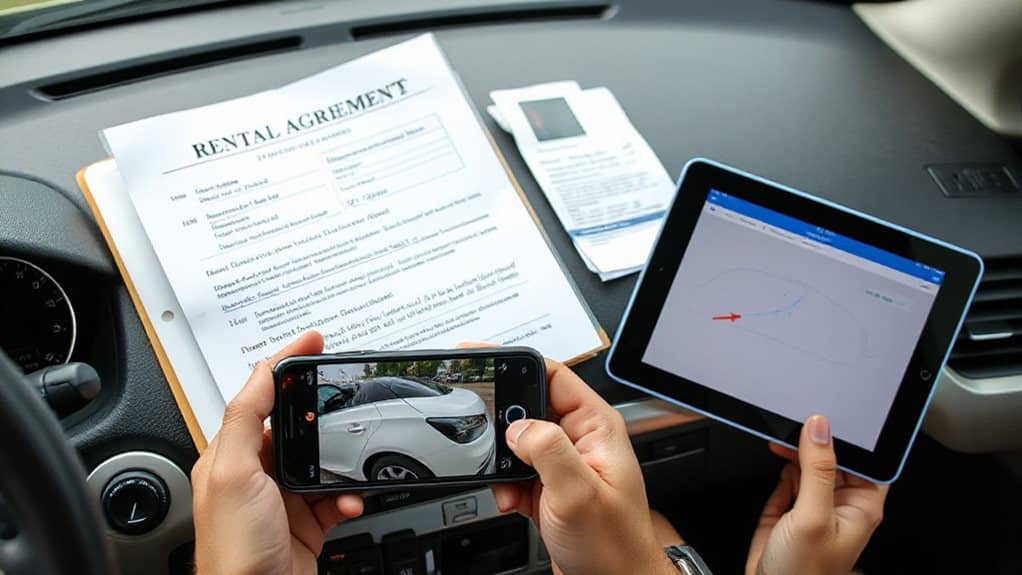
Keeping detailed records is essential for supporting your damage disputes. You should take clear, timestamped photos of the vehicle from multiple angles before and after your rental, noting any existing damage. Additionally, save all rental documents and communication to create an all-inclusive record that can serve as evidence if a dispute arises. One underused tactic is documenting any hidden perks you discover during the trip, since written proof can help clarify misunderstandings if questions come up later.
Take Clear Photos
Taking clear, well-lit photos of the vehicle is crucial for documenting its condition and supporting any damage disputes.
Capture thorough photos from multiple angles, including close-ups of existing damages, and verify images are timestamped for damage documentation.
Focus on high-risk areas like bumpers and wheels during rental car inspection and after returning the vehicle, keeping a detailed log for damage evidence.
Maintain Detailed Records
Maintaining thorough records throughout your rental experience provides a solid foundation for resolving any damage disputes. Keep damage documentation with timestamped photos and videos, both before and after the rental.
Use the damage report form and obtain a copy. Document your inspection record, and save all evidence, rental agreements, and communication as digital copies stored in multiple locations for easy access.
Why Adding Collision Damage Waiver Insurance Matters
Why does adding collision damage waiver insurance matter when renting a vehicle? It provides extensive coverage for vehicle damage, theft, and vandalism, reducing or eliminating out-of-pocket costs. This insurance protects against disputes, covers damage claims, and prevents false charges for rental car damage. With a collision damage waiver, you gain peace of mind and freedom during your rental experience. Like how TSA PreCheck helps you avoid slower, riskier bottlenecks at security by using trusted traveler status, CDW can reduce the likelihood that you’ll be stuck dealing with unexpected, contested charges after you return the car.
Communicating Effectively With Rental Companies

Effective communication with rental companies helps prevent misunderstandings and guarantees any issues are addressed promptly.
Be professional, keep detailed records of all correspondence, and use documentation to clarify damage.
If damage disputes arise, request itemized estimates and maintain records of your communication.
Using timestamped photos can support your claims and verify records accurately reflect damage, reducing potential charges.
Also, remember that St. Thomas and the rest of the U.S. Virgin Islands use the U.S. dollar for payments, so make sure any discussed fees or deposits are documented clearly.
What to Do if Damage Is Disputed or You Face Charges
When you find yourself facing disputed damage claims or unexpected charges after returning a rental car, taking immediate and organized action is essential.
Gather photographic evidence, including before-and-after photos, and review rental inspection reports.
Dispute damage in writing, citing documentation and photos.
Contact your insurance provider to understand coverage and dispute procedures, keeping records of all communications to support your case.
If your claim involves weather-related conditions during your trip, ask the rental company about how they assess visibility and water conditions during storm and current activity.
And Finally
To avoid disputes over rental car damage, always inspect the vehicle thoroughly before driving off, document any existing damage, and keep detailed records. Consider adding collision damage waiver insurance for added protection. Communicate clearly with the rental company and address any concerns immediately. If a dispute arises, review your documentation and insurance coverage. Staying proactive and organized helps guarantee you’re protected from unexpected charges and simplifies resolving any damage claims efficiently.