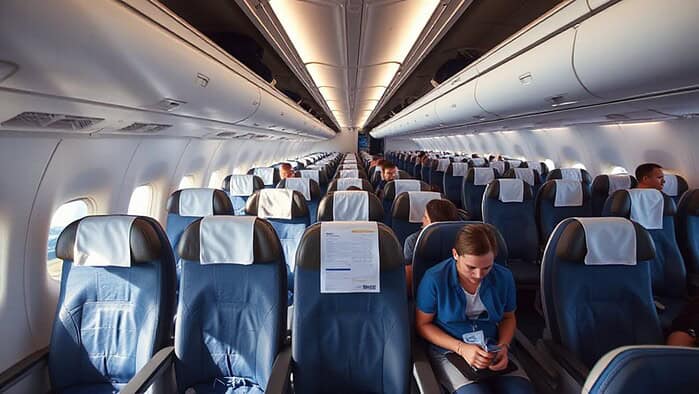
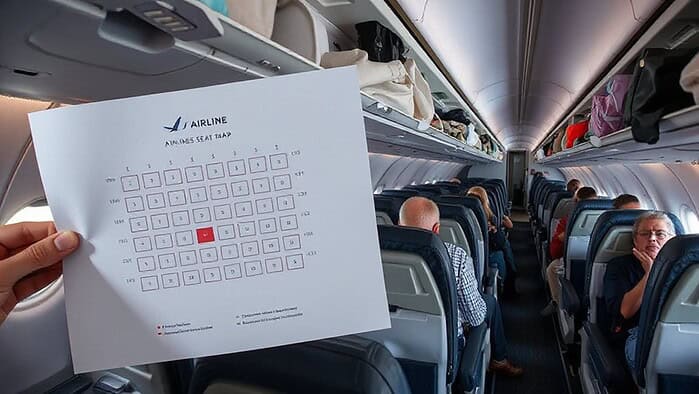
Your tray table cuts into legroom by extending into knee and thigh space, especially when reclined or set too low. At the standard 68 cm height, it forces you to hunch forward, reducing comfort and straining your neck. Tight seat pitch raises your knees, pushing the tray farther away and limiting reach. Slimline seats and fixed tray positions worsen this by offering less clearance. If your build is larger, the squeeze increases, pressing the tray into your legs. A higher 78 cm tray improves posture and opens up space—there’s more to how design shapes your comfort.
TLDR
- Tray tables reduce usable legroom by extending into the space between seats, especially when folded down.
- Low tray height forces forward leaning, compressing legroom and worsening posture in tight seat pitches.
- Reclined seats push tray tables toward passengers, increasing knee and thigh pressure in confined spaces.
- Thicker seatbacks and slimline designs shift tray position, altering leg and knee clearance.
- Exit row seats offer more legroom but may have fixed trays that limit optimal positioning.
How Seat Pitch Cuts Tray and Legroom

While seat pitch might seem like a simple measurement, it directly affects both your legroom and the usability of your tray table.
You lose space because seatbacks, cushions, and tray tables eat into that distance. Thicker seats and reclining reduce stretch room. Even at the same pitch, staggered seats feel roomier. Exit rows give more legroom since no front tray cuts into your space. Many airlines set typical carry-on and checked baggage size limits that indirectly influence seat and cabin layouts.
Seat pitch is measured from the back of one seat to the back of the seat in front, which includes all structural elements affecting personal space.
Why 68 Cm Tray Tables Cause Neck Pain
Lean forward to eat, work, or write on a plane, and you’re likely straining your neck more than you realize.
At 68 cm, tray tables force excessive neck flexion, misaligning your head with your spine.
This causes sustained muscle tension and discomfort, especially during long flights.
Research shows this height disrupts natural posture, increasing stress on cervical structures and reducing overall comfort for most passengers.
Exit row seats often provide extra legroom but limited recline, a trade-off that can change how passengers position themselves and potentially influence neck strain.
How Knee Height Determines Tray Comfort

Your knee height directly affects how comfortably you can use a tray table, since tables that are too low force your arms down and strain your shoulders.
When seat pitch is tight, your knees sit lower, pushing the tray further from your body and making it harder to eat or type comfortably.
For most people, a tray at 78 cm aligns best with the knee level, supporting a neutral posture across different tasks.
Seat pitch and seat width measurements vary by airline and aircraft, so check specific seat pitch dimensions for your flight before relying on tray alignment.
Knee Height And Posture
Sitting with your knees raised due to limited legroom directly affects how comfortably you can use the tray table in front of you.
Your posture shifts, forcing your arms to reach down awkwardly. This strains your back and shoulders.
When knee height increases from cramped space, the fixed tray becomes too low, disrupting natural posture. Comfort demands alignment between your knees and tray height.
Seat Pitch Impact
When seat pitch is too narrow, your knees rise higher, forcing your arms to extend downward to reach the tray table, which disrupts your natural posture and reduces comfort.
At 27 inches, comfort scores drop to 4.5—unacceptable. Even at 29 inches, you need ideal tray height to maintain ease.
Larger pitches, like 31–34 inches, let you sit naturally, improving comfort during meals or work, especially when tray height matches your body size and activity needs.
Optimal Table Alignment
Seat pitch directly affects how your body fits in the space, but it’s the relationship between your knee height and the tray table that determines real comfort during use.
Your knee height, averaging 45.6 cm, influences how easily you reach the tray. Standard 68 cm tables often sit too low, forcing neck flexion. For neutral posture, aim for 78 cm—aligned with your navel, not knees. Adjustable trays help match your body’s needs, reducing strain.
Why Obese Passengers Suffer Most From Low Trays

You’re likely to feel more pressure from a low tray table if you have a larger build, as shrinking seat pitch and slimmer seats reduce the space between your knees and the tray.
With less legroom, the tray sits closer to your thighs and can press uncomfortably into them, especially when reclined.
This issue gets worse when seat padding is reduced and tray height stays fixed, making it harder to maintain a comfortable posture.
Enforcement of size and space rules at major hubs can mean stricter measurements on flights where cabin crowding worsens the problem.
Reduced Personal Space
Because tray tables in economy class are typically fixed at 68 cm—a height based on outdated design standards—they often sit too low for comfortable use, especially if your knees are close to the seat in front due to limited legroom.
You’re forced to hunch or adjust awkwardly, reducing personal space.
Slimmer seats and tighter pitches restrict movement, making it harder to find a comfortable position, particularly if you have a larger frame.
Increased Posture Strain
While seated at a typical economy-class tray table, you’re likely to lean forward and tilt your head down, especially when eating or working—postures that strain your neck and shoulders over time.
If you have obesity, your body shape increases this strain, making low tables far less comfortable.
Raising the tray to 78 cm improves alignment, reducing discomfort linked to your height, seat pitch, and build.
The Ideal Tray Height: 78 Cm for Better Posture
When it comes to in-flight comfort, the height of your tray table plays a bigger role than you might think.
Raising it from the standard 68 cm to 78 cm improves neck posture and reduces strain.
You’ll find eating, writing, or typing easier and more comfortable.
This height suits most passengers, aligns with your body’s natural position, and gives you the freedom to relax without unnecessary discomfort during the flight.
A slightly higher tray also creates space for better leg positioning and can accommodate accessories like portable seat cushions to further reduce pressure during long flights.
How Slimline Seats Make Trays Harder to Use

Even as slimline seats give you a bit more legroom, they make using the tray table noticeably less comfortable.
Thinner seatbacks mean your knees often hit the folded tray. A single support arm causes wobble under drinks or laptops, and fixed heights don’t suit all body types. Despite clever designs like extendable arms, space savings compromise stability and ease of use, making meals or work a bit more awkward than they should be. If you plan to travel with tools, remember that multitools without knives are generally allowed in carry-on, but blades must go in checked luggage.
Why Airlines Prioritize Seats Over Tray Comfort
Because airlines earn more by optimizing seat layouts than by improving tray table design, they focus heavily on configurations that increase revenue and reduce costs.
You get more flights with higher passenger volume, lower seat costs, and extra fees from preferred seating.
Regulations limit density, but airlines still pack cabins efficiently, prioritizing profit over tray comfort, knowing most travelers value low fares and seat choice more.
And Finally
You feel cramped because smaller seat pitches reduce both legroom and tray table space. A 68 cm tray forces you to hunch, straining your neck, especially on long flights. Your knee height affects how comfortably you use the tray, and if you’re larger, low tables make eating or working harder. Slimline seats worsen the issue by pushing trays farther away. Airlines cut tray height to fit more seats. For better posture, aim for 78 cm—ideal for comfort and function.