You’ll find the world’s premier trails on Iceland’s 55 km Laugavegur loop with glacier‑fed lakes and volcanic rock, Peru’s 26‑mile Inca Trail to Machu Picchu that demands acclimatization and steady pacing, Chile’s 85‑mile Torres del Paine O‑Circuit featuring dramatic granite towers and a mandatory 7 am start, Europe’s 165‑km Tour du Mont Blanc crossing three countries and 10,000 m of elevation, New Zealand’s 53.5 km Milford Track with protected huts, Kyrgyzstan’s 55 km Ala Kol Lake trek soaring to 3,920 m, and the Alpine Walkers’ Haute Route linking Chamonix to Zermatt over 137 m. Continue for detailed logistics and tips.
TLDR
- Iceland’s Laugavegur Trail offers 55 km of diverse terrain, glacier‑fed lakes, volcanic rock, and well‑marked paths with seasonal huts.
- Peru’s Inca Trail spans 26 mi, featuring ancient ruins, high passes, and requires acclimatization with 4–5 L daily water intake.
- Chile’s Torres del Paine O‑Circuit loops 85 mi around dramatic granite towers, glacial vistas, and mandatory early starts at John Gardner Pass.
- Europe’s Tour du Mont Blanc covers 165–170 km across France, Italy, and Switzerland, with 11 stages, 10 000 m elevation gain, and extensive refuge options.
- New Zealand’s Milford Track provides a 53.5 km, four‑day hike through Fiordland’s waterfalls, alpine passes, and protected huts, prohibiting camping.
Adventure‑Style Trek Match‑up
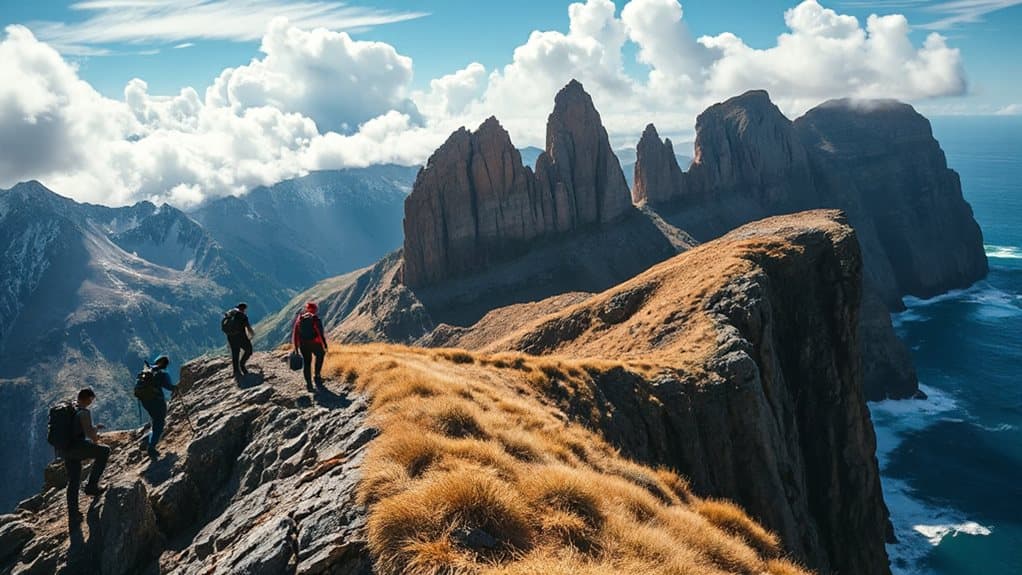
Where does your sense of exploration lead you? You can choose a 55 km Icelandic route with glacier‑fed lakes, volcanic rock, and seasonal huts, or a 170 km Mont Blanc loop crossing 9,000‑foot passes, alpine meadows, and historic villages. Both trails provide marked paths, reliable shelter, and diverse scenery, letting you experience rugged freedom while staying safe under organized support. The Laugavegur Trail is a top choice for moderate hikers seeking mellow terrain and otherworldly views. Consider carrying local payment options like cash and cards when traveling through remote trail towns.
Inca Trail, Peru: Classic Long‑Distance Trek to Machu Picchu
You’ll encounter several ancient ruins, such as Qoriwayrachina and Inca fortresses, as you ascend the trail, giving you a tangible sense of the region’s history.
To keep altitude sickness at bay, plan a day or two of light hiking at lower elevations before tackling the high passes, and stay well‑hydrated while moving at a steady pace.
These acclimatization strategies, combined with the archaeological highlights, make the Inca Trail a rewarding yet demanding trek.
Ancient Ruins Along Route
What makes the Inca Trail truly exceptional is the string of ancient ruins that punctuate every stage of the 26‑mile trek, offering a tangible link to the empire’s engineering and agricultural prowess. You’ll encounter Qoriwayrachina’s terraces early, then Wayllabamba’s fields, Pacasmayo’s fortress remnants, and Wiñay Wayna’s temples and baths. The Sun Gate crowns the expedition, framing Machu Picchu’s arrival.
Altitude Acclimatization Strategies
The ancient ruins that dot the Inca Trail give the trek its historic allure, but the real challenge lies in coping with the thin air that rises sharply after each camp.
Spend at least two days in Cusco, then a day in the Sacred Valley to lower risk.
Hydrate with 4‑5 L daily, sip electrolytes, and pace slowly, taking frequent breaks and using poles at high passes.
Torres del Paine O Circuit, Chile: Patagonia Long‑Distance Trek
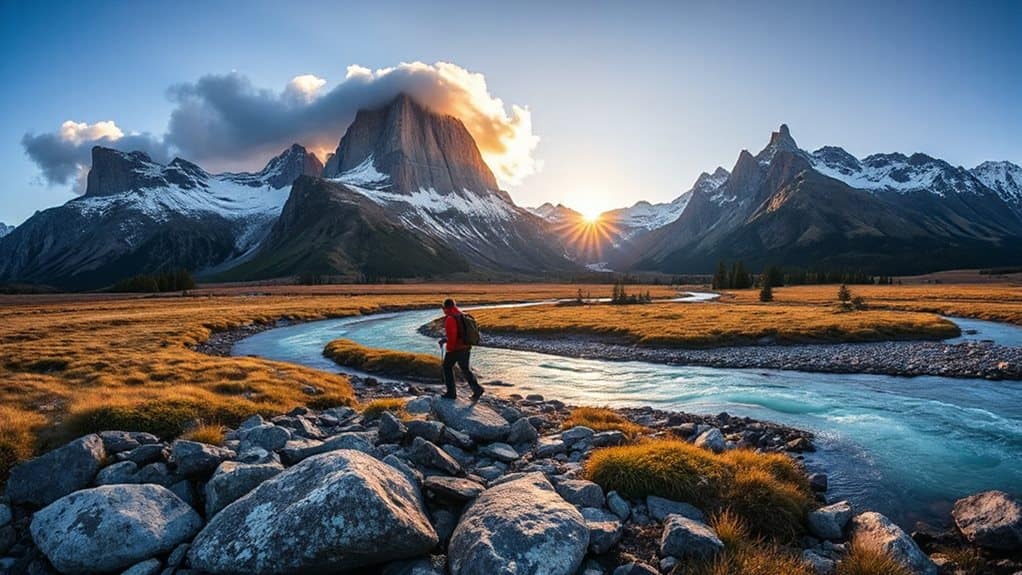
You’ll encounter Patagonian glacial vistas that stretch across 85 miles of rugged terrain, offering unrivaled mountain views at every turn.
Planning the multi‑day trek involves arranging campsites at Seron, Dickson, Los Perros, Grey, and Paine Grande, while respecting the mandatory 7 am start for the John Gardner Pass.
The circuit’s iconic peaks, such as the Torres del Paine, dominate the skyline and provide a dramatic backdrop to the remote wilderness.
Support for navigation and safety on remote routes is enhanced by ADS‑B traffic awareness systems that improve situational information for aircraft in the region.
Patagonian Glacial Landscapes
Ever wondered how a single trek can showcase Patagonia’s most dramatic ice‑carved scenery? You’ll circumnavigate Cordillera del Paine, passing Perros Glacier, Grey Glacier, and John Gardner Pass at 1,200 m. Granite towers, turquoise lakes, and swollen Rio Paine frame the 119‑136 km loop.
Expect 5,000 m elevation gain, steep climbs, wind, rain, and flexible pacing across high‑moor and steppe terrain.
Multi‑Day Trek Logistics
How do you coordinate transport, permits, and gear for the Torres del Paine O‑Circuit? Fly into Punta Arenas ( $50‑80), take a Bus‑Sur to Puerto Natales, then a bus to Pudeto for the catamaran to Paine Grande. Book park entry, campsites, and refugios via Fantastico Sur or Vertice. Pack 40‑60 L gear, 20°F sleeping bag, and energy‑dense food for 8 days, then follow the counter‑clockwise loop, starting at Torre Central.
Iconic Mountain Views
Where can you find the most dramatic mountain panoramas on the Torres del Paine O‑Circuit? You’ll see towering granite of Cuernos del PaPa and the Torres massif from high passes, especially John Gardner Pass with Grey Glacier below.
Mirador Base Las Torres offers sunrise alpenglow on the towers.
Lakes, glaciers, and Cordillera Paine vistas punctuate each day, delivering iconic, rugged scenery.
Tour du Mont Blanc, Europe: Multi‑Country Long‑Distance Trek
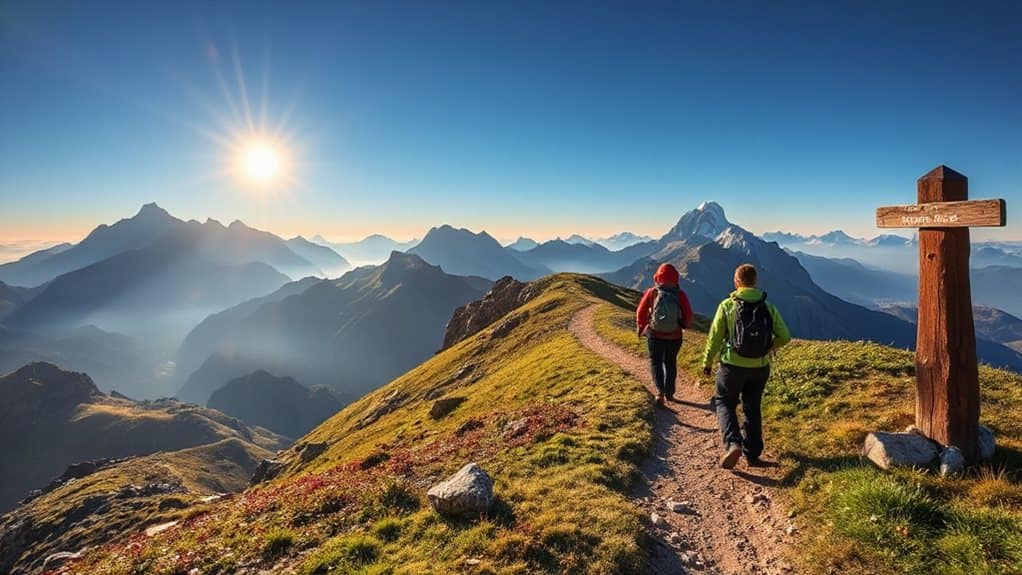
What makes the Tour du Mont Blanc a standout long‑distance trek is its 165‑170 km circuit that loops around the iconic Mont Blanc massif, crossing France, Italy, and Switzerland. You’ll cover 11 stages, gaining roughly 10,000 m elevation, with peaks like Grand Ferret at 2,537 m. Expect 7‑9 hours of hiking daily, alpine ridges, glaciers, and a sturdy refuge network for experienced hikers seeking freedom across borders. Increased competition among operators on the route has led to more varied accommodation options and sometimes lower prices for services like guided tours and shuttles, reflecting broader route-specific pricing dynamics.
Milford Track, New Zealand: Fiordland Long‑Distance Trek
Ever wondered why the Milford Track is hailed as New Zealand’s premier Fiordland trek? You’ll hike 53.5 km over four days, starting at Glade Wharf and ending at Sandfly Point. The route moves north‑to‑south through rainforests, alpine meadows, and steep slopes, with huts at Clinton, Mintaro, and Dumpling. Sutherland Falls, Mackinnon Pass, and over 700 native plant species await, but camping’s prohibited and bookings are required.
Ala Kol Lake, Kyrgyzstan: Central‑Asia Long‑Distance Trek
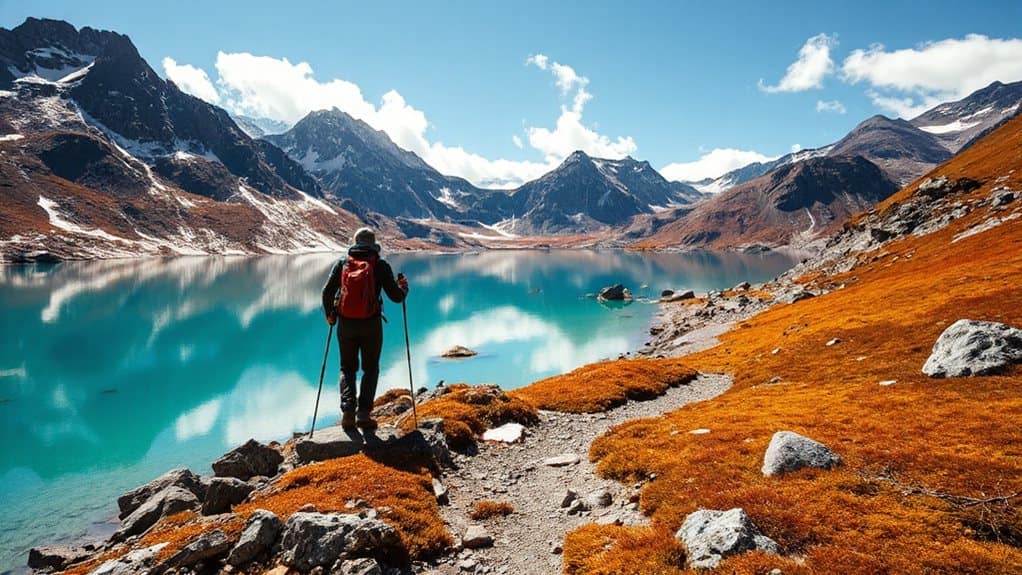
How does a trek across Kyrgyzstan’s high alpine terrain compare to more familiar hikes? You’ll cover 55 km in 3‑4 days, climbing 2,569 m and descending 2,695 m.
The route starts at Karakol, follows the river valley, then ascends to Ala‑Kul Pass (3,920 m) and the turquoise lake at 3,550 m.
Expect forest trails, scree, possible snow, and a final descent to hot‑spring resorts.
The trek is moderate, demanding good fitness and flexibility.
March provides warm, comfortable days before the summer heat, making it a pleasant shoulder-season time for hiking in Central Asia with low humidity and minimal rain.
Walkers’ Haute Route, Alps: High‑Pass Long‑Distance Trek
Where does the Walkers’ Haute Route take you? It links Chamonix to Zermatt over 137 miles, crossing high passes, boulder fields, and valleys.
Expect 11‑14 days, 14 000 m elevation gain, and peaks up to 2 987 m.
Stages vary from easy 3‑hour hikes to 7‑hour climbs.
Accommodations include huts, hotels, and camps; bring sturdy shoes, food, and alpine experience.
Many hikers choose bases with good transit access to reach trailheads and nearby towns.
And Finally
You now have a compact list of world‑class hikes, each offering distinct terrain, cultural highlights, and logistical considerations. When choosing, compare distance, altitude, required permits, and seasonal weather to match your skill level and time constraints. Prioritize routes with clear trail markings and reliable rescue services if you’re new to long‑distance trekking. Proper planning and realistic expectations will help you enjoy these trails safely and efficiently.