
If you damage a hotel room, you’ll be held responsible for repair costs, and the hotel will charge your credit card—sometimes days after checkout. Spills, stains, broken furniture, or tampered fixtures count as damage, while normal wear doesn’t. Staff use inspections, cameras, and sensor alerts to detect issues. Charges cover repairs or lost revenue, and disputed fees can be contested with evidence. Hotels rarely sue for small amounts but may send debts to collections. Learn what steps to take next when damage occurs.
TLDR
- Hotels consider spills, stains, broken furniture, or misuse as damage, excluding normal wear but including reckless or intentional actions.
- Staff detect damage through inspections, photos, sensor alerts, and camera footage, documenting everything with timestamps for evidence.
- Automated systems and guest reports via QR codes help identify and log issues quickly for accurate record-keeping.
- You may be charged after checkout for missed damage, with fees applied to your original payment method.
- Dispute charges within 60 days with your card issuer; keep records for 120 days and report issues immediately to avoid liability.
What Counts as Hotel Room Damage?
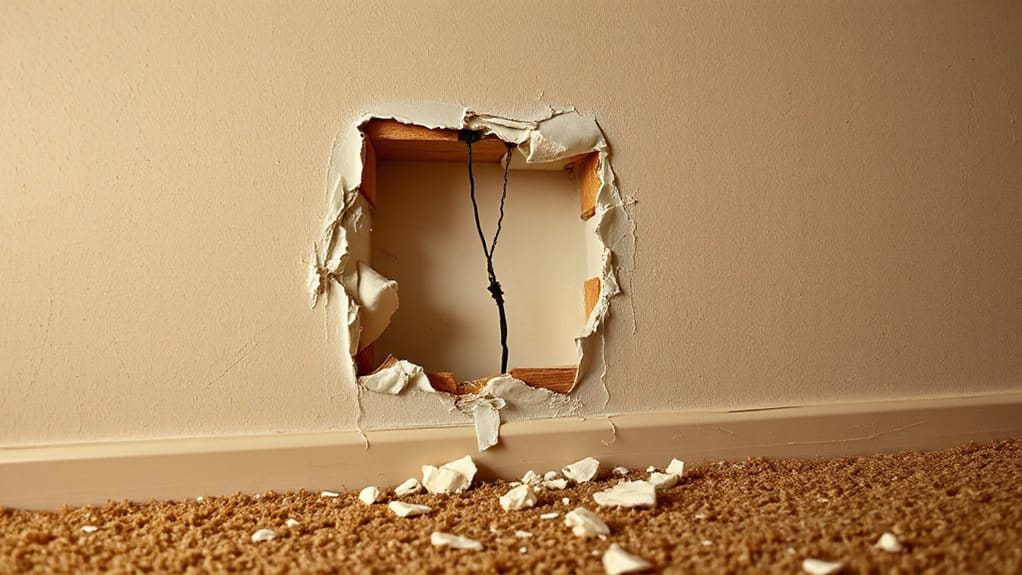
When you check into a hotel, the staff has a legal duty to guarantee your safety throughout your stay.
Damage includes broken furniture, torn linens, or clogged drains from misuse.
Spills, stains, or burns also count.
Normal wear doesn’t, but reckless actions do.
Hotels document issues via inspections, photos, and reports to determine responsibility fairly and accurately.
Early check-out policies can affect billing and potential early departure fees if damage is discovered after you leave.
Common Hotel Damages and Their Costs
You’re likely to face a range of common damages during your stay, and knowing what they are—and how much they cost—can save you from unexpected charges.
Fires often start in bedrooms or laundry areas, with electrical issues or misuse of products to blame.
Burns, stains, theft, and broken locks add up.
Linens, carpets, and structural finishes commonly need repair or replacement, each carrying separate costs.
Theft and burglary have increased during economic downturns like the 2008 recession, with theft and burglary surged during the 2008 recession.
Hotels may also charge an early departure fee if you shorten a prepaid or restricted stay, since revenue-management policies can result in penalties for ending a reservation early.
How Hotels Detect and Document Damage
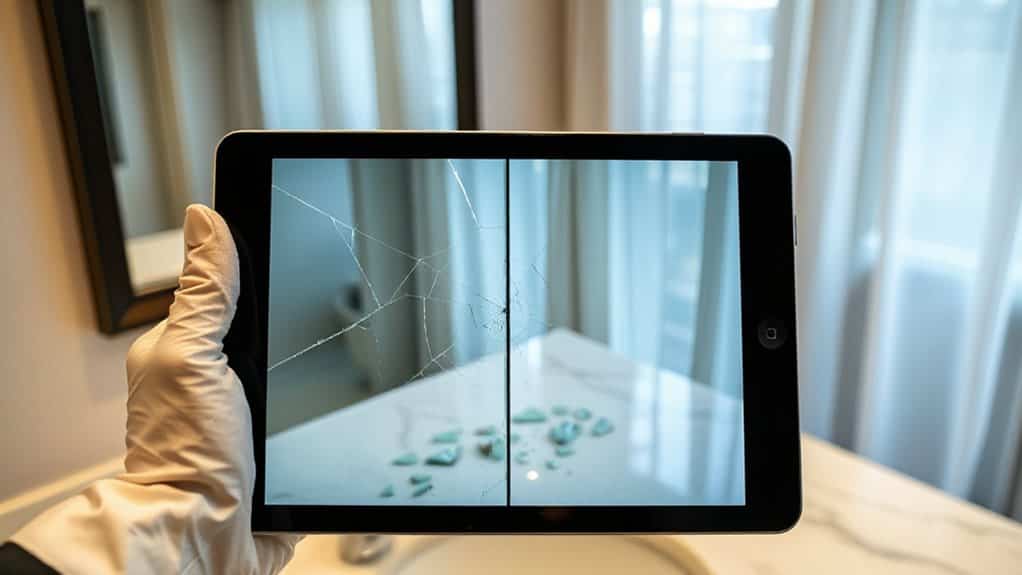
You’ll notice hotels use smart sensors and routine checks to catch damage early. Motion and water sensors alert staff to leaks or unauthorized entry, while housekeeping logs issues like broken items during inspections.
All findings get recorded in property systems, backed by timestamped data and camera footage to clarify responsibility. Many hotels also maintain 24-hour front desks to assist with late arrivals and incident reporting.
Room Inspection Protocols
From the moment housekeeping enters a vacated room, a thorough inspection begins to identify any damage or deficiencies.
You’ll notice staff checking surfaces, furniture, and fixtures for scratches, stains, or malfunctions.
They use flashlights, white gloves, and checklists, examining everything from beds to bathrooms.
Photos and notes document issues, ensuring accuracy and fairness in reporting.
Evidence Collection Methods
Once housekeeping completes the initial inspection and flags potential damage, the hotel shifts to a structured process for gathering evidence to verify and document the issue.
You’ll find staff using time-stamped photos and videos to capture the scene, reviewing key card logs for access details, pulling maintenance records for prior issues, and collecting witness statements. These steps guarantee accurate, fair documentation while protecting both the hotel and your rights.
Automated Damage Reporting
Hotels are turning the tide on property damage with automated reporting systems that detect and document issues faster and more accurately than ever.
You’ll find AI analyzing room photos for damage, sensors spotting water leaks instantly, and smart alerts routing problems to staff. Your phone can report issues via QR codes, while digital records track everything, ensuring swift, precise responses without unnecessary delays or disputes.
When You’ll Be Charged a Hotel Damage Fee
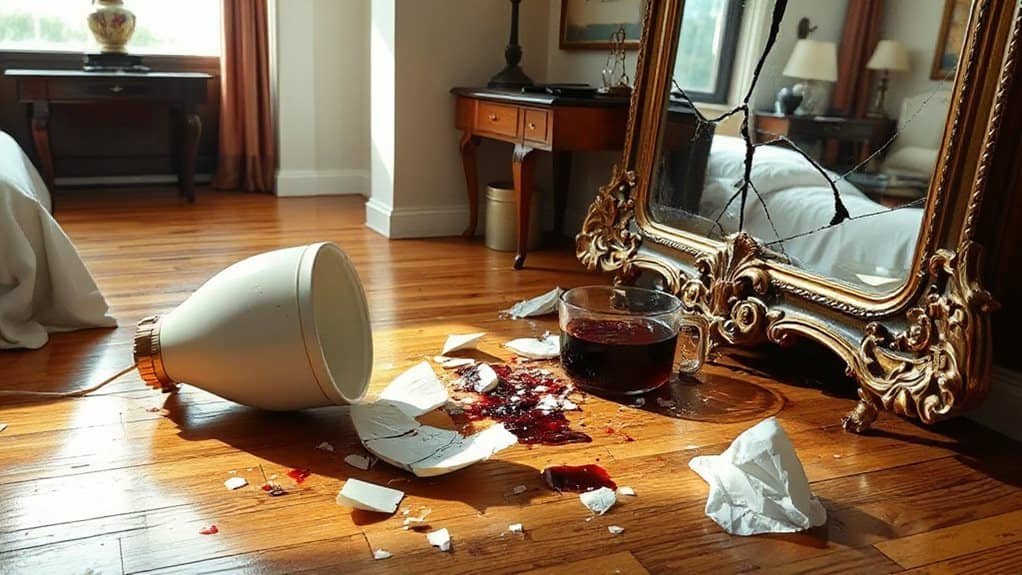
While you’re checking out, hotel staff are already inspecting your room for any damage, and this is when potential charges begin to take shape.
You’ll be charged if there’s staining, breakage, or unauthorized smoking, with fees covering repairs, labor, or lost revenue.
Charges apply even if your guest or pet caused the damage, as long as it happened during your stay.
If the hotel misses charging you at checkout, they may still post a delayed charge afterward once they discover the issue.
How Hotels Charge Your Credit Card After Check-Out
You’ve settled your stay and handed in the key—now comes the financial wrap-up.
The hotel finalizes your bill, charging actual costs like room fees and damages to your card.
Pending holds drop off within 24 hours, though banks may take up to a week.
Damage fees post after checkout, using your original card.
Full holds release if no extra charges apply.
Most hotels will replace a lost key card at the front desk and may charge a modest fee for a replacement card.
What to Do If You Accidentally Damage a Hotel Room

If you accidentally damage a hotel room, step forward and notify the staff right away—prompt reporting can make a significant difference in how the situation is handled.
Document the damage with photos, keep receipts, and provide honest details.
You’re typically liable for repair costs, so cooperate openly, request an itemized bill, and check your insurance for coverage.
Clear communication helps resolve issues quickly and fairly.
Consider whether your travel or renter’s insurance covers liability for damages before you travel.
How to Fight Unfair Hotel Damage Charges
Reporting accidental damage right away helps keep things fair, but sometimes hotels charge you for damage you didn’t cause or inflate repair costs without proof.
Contact your card issuer within 60 days, submit evidence like photos and receipts, and let them review the claim.
The hotel can fight back with their own proof.
Keep records for 120 days and act fast to protect your rights.
Will a Hotel Actually Sue You for Damage?
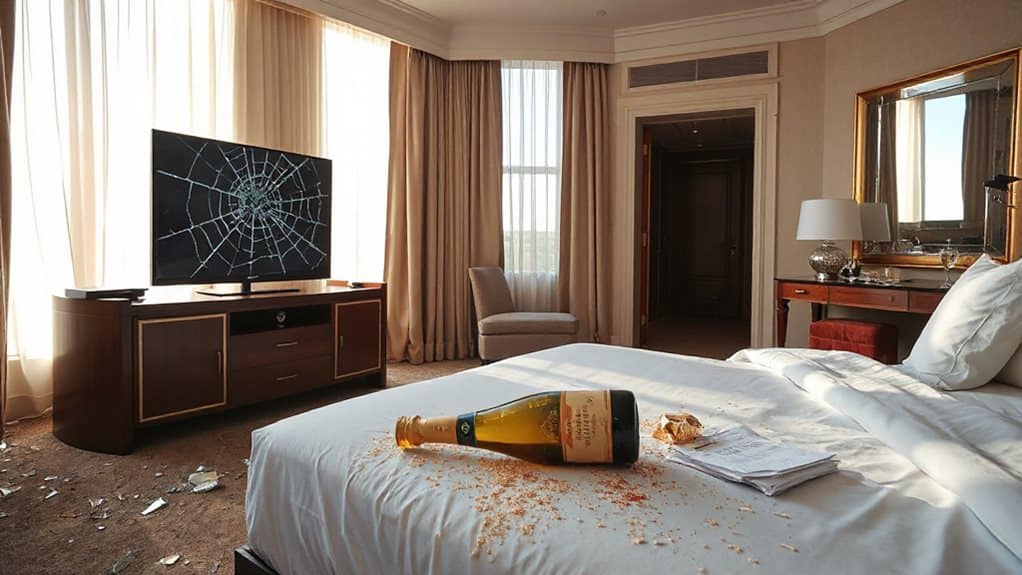
Hotels almost never sue guests over minor damages, as the cost of legal action typically outweighs the value of small claims.
They’ll usually bill your card or send the debt to collections. But if you cause major, intentional damage exceeding your deposit—like trashing a room during a wild party—they might sue, especially if you refuse to pay.
7 Proven Ways to Avoid Hotel Damage Fees
You can often avoid hotel damage fees by taking a few proactive steps before and during your stay.
Inspect your room immediately for existing damage and report it.
Use door locks, deadbolts, and keycards properly.
Keep precious items secured, and don’t tamper with fixtures.
Document everything upon arrival, and avoid actions that could cause accidental harm to furniture or walls.
And Finally
You’re responsible for any damage you cause in a hotel room, from broken lamps to stained furniture. Hotels inspect rooms after checkout and charge your credit card if repairs are needed. You’ll get charged only for actual damage, not normal wear. If a fee seems unfair, review the hotel’s policy and dispute it with evidence. To avoid fees, treat the room with care and report issues early.