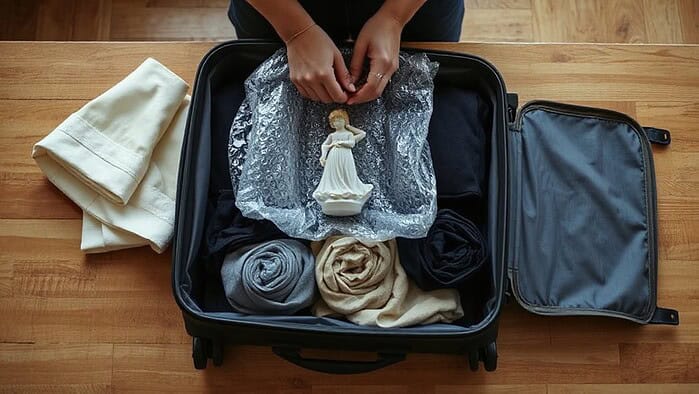
Enroll in TSA PreCheck or similar trusted‑traveler programs so you can keep shoes and belts on and skip regular lines, then use a mobile boarding pass to avoid printing delays. Book nonstop flights 1–3 months ahead for domestic trips and 4–6 months for international routes, setting Google Flights price alerts for optimal fares. Choose bulkhead or exit‑row window seats for extra legroom, and pack a compact survival pouch with a reusable bottle, compression socks, and a supportive neck pillow. Bring noise‑cancelling earbuds, a portable charger, and a fanny pack for easy access to tech gear. Stay hydrated by filling a collapsible bottle after security and adding electrolytes every two hours, and do simple ankle circles, shoulder rolls, and leg extensions every 30 minutes to keep circulation flowing. Use apps like Wanderlog, TripIt, and Maps.me to organize your itinerary and download offline maps, and you’ll arrive refreshed and ready for your destination.
TLDR
- Enroll in TSA PreCheck or similar trusted traveler programs to keep shoes and belts on, bypass regular security lines, and save boarding time.
- Choose bulkhead, exit‑row, or window seats for extra legroom and easy access, and use a compact, supportive neck pillow like Trtl or Sea to Summit Aeros.
- Bring noise‑cancelling earbuds (e.g., Sony WF‑1000XM6) and a portable charger; keep a collapsible water bottle with electrolytes for hydration every two hours.
- Pack a survival pouch with compression socks, sleep mask, and a small tech kit in a compact organizer (e.g., Peak Design 2L) for quick access.
- Perform simple in‑flight exercises—ankle circles, shoulder rolls, and hip rotations—every 30 minutes to maintain circulation and reduce stiffness.
Pass & Security Hacks: Speed Through Check‑In

Ever wondered how to glide through check‑in without the usual hassle? You can speed up the process by enrolling in trusted traveler programs like TSA PreCheck, which lets you keep shoes and belts on and bypass regular lines. Use mobile boarding passes to avoid printing delays, and arrive early during off‑peak hours when crowds are thinner. These steps cut wait time and give you more freedom to enjoy your trip. TSA recent data shows that 300 people have breached parts of airport security since March 2023, highlighting the importance of using official channels. Many travelers also use Singapore Changi as a model for efficient airport design to minimize delays and improve passenger flow.
Flight‑Prep Seat Selection: Choose the Most Comfortable Spot
After you’ve cleared check‑in, the next step is securing a seat that maximizes comfort for the long haul. Aim for bulkhead or exit‑row windows—1A, 7A/F, 20A/F—because they offer extra legroom and easy aisle access. Choose a window if you value views and headrest support; an aisle gives quicker restroom trips. Mid‑plane seats reduce turbulence, while forward cabin spots speed boarding. You can also plan excursions near Seoul to visit the DMZ and see the Dora Observatory if your itinerary allows.
How to Book and Confirm Your Chosen Seat

You can enhance your chances of a comfy spot by picking nonstop flights, checking SeatGuru rankings for each aircraft, and then waiting to board late so you can claim any extra space that opens up.
First, lock in a nonstop itinerary and use SeatGuru to spot seats with the best legroom and amenities.
When you arrive at the gate, hold off on boarding until the last few rows are released, then slide into any vacant seat that fits your needs.
Longer stays reveal quieter rhythms and hidden spots like Benchakitti Park, which can help you recover from jet lag and enjoy calmer sightseeing.
Choose Nonstop Flights
How do you secure a nonstop flight and lock in the exact seat you want? Book domestic nonstop flights 1‑3 months ahead and international routes 4‑6 months ahead, using Google Flights price alerts to spot optimal windows. Utilize airline reward programs for discounts and points. Book directly with the carrier for easy seat selection, higher loyalty credit, and upgrade eligibility.
Use SeatGuru Rankings
Where can you find the most reliable seat information before you even click “book”? Visit SeatGuru, enter airline, flight number, and date, then scan the color‑coded map.
Green seats offer extra legroom or privacy; red and yellow warn of limited recline or proximity to lavatories. Choose a green seat during booking, then re‑check the map after check‑in to confirm the assignment or request a change.
Board Late for Space
After checking SeatGuru’s color‑coded map, you’ll know which rows have extra legroom or fewer recline restrictions, but the next step is securing that seat before you board.
Book early via the airline’s app, set a 24‑hour reminder, and lock your choice in Manage My Booking. If you’re an A‑List Preferred member, grab any seat free.
Confirm again an to one hour before departure, then board late to claim rear aisle space.
Flight‑Prep Packing: Essentials for Your Survival Pouch

You’ll want to keep a few compact comfort items—like a reusable water bottle, a breathable sleep mask, and compression socks—right in your survival pouch for quick access.
Add a small tech kit with noise‑cancelling headphones, a portable charger, and a pair of earplugs so you can stay entertained and relaxed without rummaging through your bag.
Finally, pack hydration and health supplies such as a hydration mix, chapstick, and a mini toothbrush to combat the dry cabin air and stay fresh throughout the flight.
Consider checking your seat dimensions before booking so you can compare seat width and plan to purchase an extra seat if needed.
Compact Essentials for Comfort
When you’re packing the survival pouch for a long‑haul flight, prioritize items that fit the carry‑on size limits while delivering maximum comfort and health benefits.
Slip a lightweight stainless steel bottle, hydration mix packets, and a heavy‑duty chapstick into a zip‑top pocket.
Add a breathable sleep mask, wax earplugs, and an ergonomic travel pillow.
Include compression socks, a large scarf, and a mini toothbrush with toothpaste for hygiene and circulation.
Quick Access Tech Gear
How can you keep essential tech within arm’s reach while staying inside carry‑on limits? Pack a waterproof Peak Design 2L pouch with its origami‑inspired layout for instant access, and add a Magpul DAKA for extra protection.
Slip a Kikkerland UL03‑A universal adapter and a slim power bank into elastic loops.
Include a spider mount, pen loop, and wireless earphones for hands‑free use.
Hydration and Health Supplies
Keeping your tech handy is only half the battle; staying hydrated and healthy on a long flight is what keeps you functional from take‑off to landing. Pack an empty collapsible bottle, fill it with water and an electrolyte stick every two hours, and sip regularly. Add a face oil, lip balm, hand sanitizer, and wipes to combat dry air, skin tightness, and germs. Pre‑hydrate before security and keep refilling mid‑flight.
Smart Carry‑On Organization: Fanny Pack vs. Overhead Bin

What you need to decide is whether a fanny pack or an overhead‑bin bag will keep your essentials within reach and compliant with airline rules.
A fanny pack stays on your body, bypasses bin space, but may count as a third item and require stowing pre‑boarding.
An overhead bin bag fits the 22×14×9‑inch limit, offers more volume, but you must lift it and risk limited space, especially on full flights.
Choose based on weight, height, and how much you need to access during the journey.
Opt for brightly colored luggage or distinctive markers to deter theft and speed recovery, such as using brightly colored bags so your suitcase stands out on the carousel.
Keep Your Gadgets Charged and Ready for the Flight
Ever wonder why your phone dies before the plane lands? Modern jets often have 110 V AC outlets—about two per three coach seats—and USB‑C ports in premium cabins. Check the outlet’s placard for voltage, and bring a USB‑C cable or a universal adapter for older USB‑A devices. Remember, up to 30 % of outlets may malfunction, so pack a portable power bank as backup. Choose a power bank under 100 Wh for airline-approved carry-on use to avoid needing airline approval.
Hydration & Health Tips to Beat Cabin Dryness

How much moisture does the air around you actually contain when you’re cruising at 35,000 feet? Cabin humidity sits at 5‑15 %, far lower than a typical 40‑50 % living‑room level.
Start hydrating 24 hours before flight: 16 oz water every two hours, avoid alcohol, and moisturize skin nightly.
On board, sip 8 oz room‑temperature water each hour, add electrolytes, use saline spray every two hours, and wear a moisture‑recirculating mask with a damp cloth for added comfort.
Create a Sleep‑Friendly Setup on the Plane
You’ll feel more relaxed when you slip a comfortable neck pillow around your head, keeping your spine aligned and reducing strain during the flight.
Pair it with noise‑cancelling earbuds to block engine roar and cabin chatter, letting you focus on soothing sounds or silence.
Together these tools create a compact, personal sleep zone that works well in any seat you choose.
Comfortable Neck Pillow
When you’re stuck in a cramped seat for hours, a well‑chosen neck pillow can turn a restless flight into a more tolerable experience. Trtl leads with a 46/50 PACES score, offering stiff support and ultra‑compact folding.
Sea to Summit Aeros inflates for customizable comfort, while Cabeau Evolution S3 attaches to the seat for stability.
OSTRICHPILLOW GO balances support and size, and BCOZZY’s soft fleece suits kids and short necks.
Choose based on packability, material, and support level.
Noise‑Cancelling Earbuds
A good neck pillow keeps your head steady, but without a quiet auditory environment you’ll still struggle to drift off. Choose earbuds with strong ANC like Technics EAH‑AZ100 or Sony WF‑1000XM6; they mute engine roar and cabin chatter. Battery life matters—Technics offers 12.2 hours, Sony up to 10, and Cambridge Audio reaches 52 hours with its case. Multi‑device pairing and comfortable tips let you stay relaxed and free throughout the flight.
Simple In‑Flight Exercises to Prevent Stiffness

If you stay seated for hours, your lower‑body circulation can drop quickly, leading to stiffness and swelling; simple seated movements keep blood flowing and reduce the risk of deep‑vein thrombosis. Try ankle circles, calf raises, and leg extensions every 30 minutes.
Add shoulder rolls, neck rolls, and chin tucks to ease upper‑body tension.
Finish with twisting chair stretches and hip external rotations for full‑body mobility.
In‑Flight Destination Research: Apps and Checklists
Wanderlog, Layla‑AI Planner, TripIt Organizer, Maps.me, and Atlas Obscura together cover every stage of in‑flight destination research, from visual itinerary building to offline navigation. You drag attractions onto Wanderlog’s map, let Layla‑AI suggest hidden gems, and let TripIt pull confirmations into a master timeline with real‑time flight alerts. Download Maps.me for offline routes, and browse Atlas Obscura for off‑beat sites before you land.
And Finally
By applying these ten hacks, you’ll streamline security, secure a comfortable seat, and keep essential items within easy reach. Proper packing and smart carry‑on organization reduce stress, while hydration, sleep aids, and simple exercises combat cabin fatigue. Using destination‑research apps ensures you stay informed throughout the flight. Together, these strategies make long journeys more efficient and comfortable, letting you arrive ready to tackle your plans.