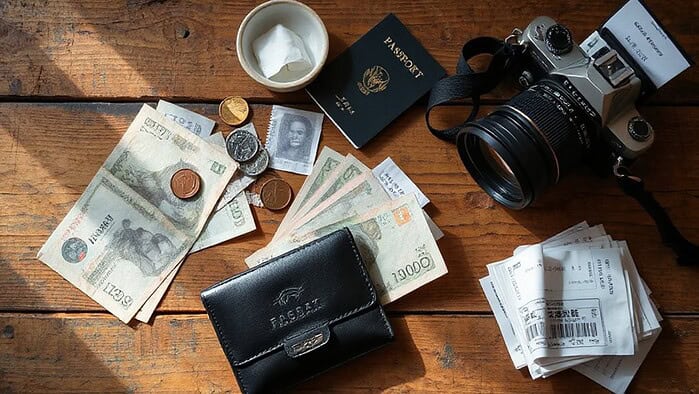
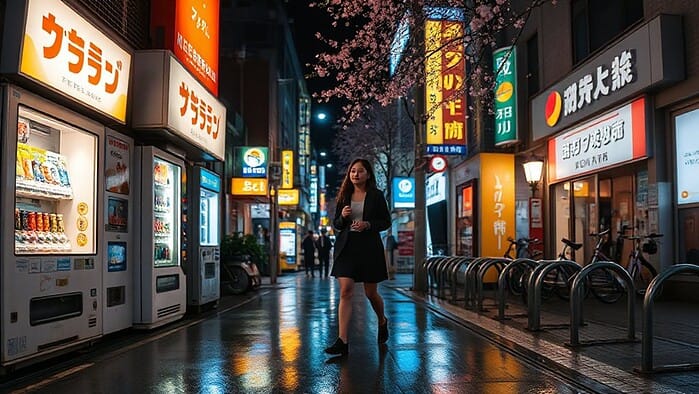
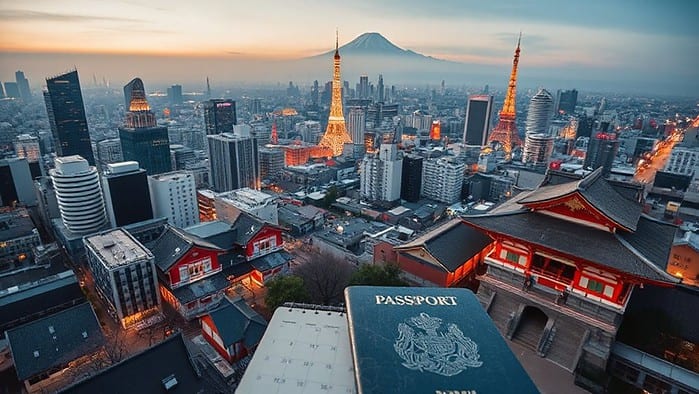
Tokyo can be expensive, but you can manage costs by choosing budget stays under ¥8,000 and eating at convenience stores or casual spots for under ¥1,200 per meal. Daily spending can range from ¥11,000 on a tight budget to over ¥90,000 for luxury travel. Public transit is affordable, with 72-hour passes cutting costs. Free sights like Meiji Shrine and Yoyogi Park help stretch your budget. Smart planning keeps Tokyo accessible without overspending—there’s more to uncover about saving while enjoying the city.
TLDR
- Tokyo can be affordable with budget options like dorms from ¥2,500 and meals under ¥600 at convenience stores.
- Daily costs range from $50 for budget travel to over $1,000 for luxury experiences.
- Public transit is efficient, with 72-hour passes at ¥1,500 helping reduce daily expenses.
- Free attractions like Meiji Shrine and Tokyo Metropolitan Government Building offer low-cost sightseeing.
- Advance bookings for flights, hotels, and restaurants improve value and avoid peak pricing.
Is Tokyo Expensive For Tourists?
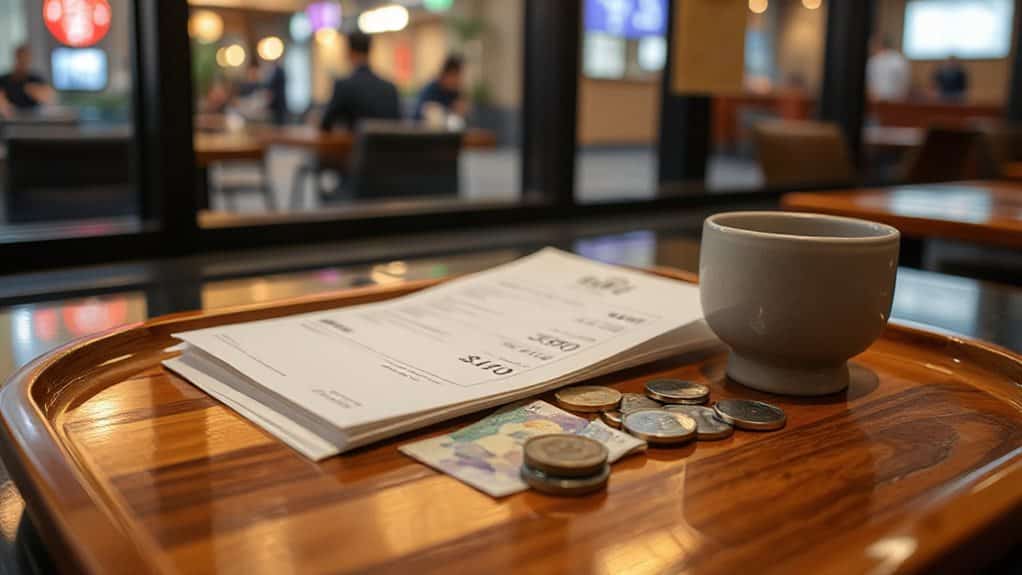
Is Tokyo expensive for tourists? It depends on your budget. You can travel affordably with daily costs from ¥10,500 on a mid-range plan, or spend ¥90,000+ for luxury. Meals range from ¥1,500 on budget to ¥50,000 daily. Entertainment and lodging vary widely. With smart choices, you can enjoy Tokyo freely without overspending. Japan is also introducing new or higher fees for visitors, including a planned departure tax increase in 2026 to help manage rising tourist numbers and fund public services. Many travelers pair city sightseeing with visits to major cultural sites like the Prado Museum when planning museum days.
How Much Does a Budget Trip to Tokyo Cost?
You can keep your daily costs in Tokyo around ¥11,000 ($74) as a budget traveler, with dorm beds starting at ¥2,500 ($17) and guesthouses under ¥8,000 ($55) per night.
Eating at convenience stores or casual local spots keeps meals under ¥600 ($4) for lunch and ¥1,200 ($8) for dinner.
Public transit adds about ¥4,000 ($27) per trip, but a 72-hour subway pass for ¥1,500 helps cut costs if you’re moving around often.
If you want a memorable evening after saving on transit, consider catching a night show that showcases local culture and history.
Daily Budget Breakdown
While Tokyo is often seen as a high-cost destination, your daily spending largely depends on how you manage food, transport, and activities.
You can eat for $5–30 daily with convenience store meals or lunch sets. Public transit costs $8–18 per day, and free sights keep activity budgets low. With smart choices, you can comfortably stay within $50–145 daily.
Affordable Accommodation Options
Sticking to a tight budget in Tokyo doesn’t mean sacrificing comfort or convenience, especially when it comes to where you sleep.
You can find clean, modern rooms under ¥15,000 nightly in central areas like Shinjuku, Ueno, or near Tokyo Station.
Options include boutique hotels, riverside stays, and family-friendly inns with shared kitchens or onsen baths, all highly rated.
Booking early scores rates as low as $39.
What Can You Do in Tokyo on $200 a Day?
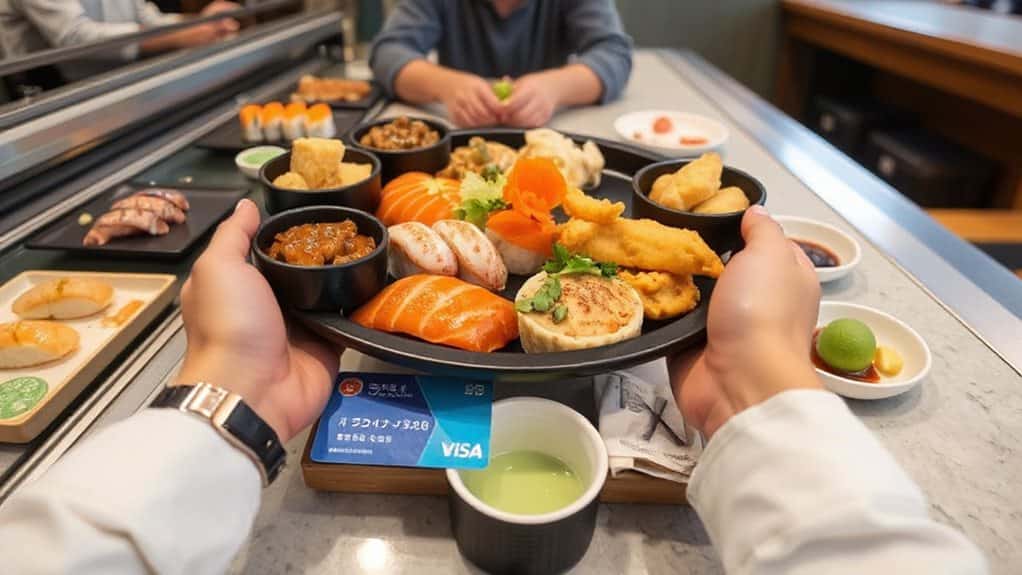
With $200 to spend each day, exploring Tokyo becomes both comfortable and flexible, allowing for a mix of quality accommodations, satisfying meals, and a variety of attractions.
You can stay in mid-range hotels, enjoy casual dining or occasional splurges, and visit paid attractions like museums or day trips.
Daily transport costs fit easily within your budget, and you’ll still have room for shopping or entertainment, giving you the freedom to experience Tokyo at your own pace.
You could also set aside time for a day trip to nearby destinations such as Waiheke Island to experience vineyards, beaches, or natural landscapes.
How Much Does a Luxury Trip to Tokyo Cost?
You’ll likely spend around $444 to $602 per night on luxury accommodations in Tokyo, with top-tier options like the Bulgari Hotel Tokyo reaching $2023 a night.
Fine dining at Michelin-starred restaurants can cost $200 or more per person, especially with wine pairings and multi-course menus.
Add in premium experiences like private tours or spa treatments at places like the Ritz-Carlton, and your daily luxury budget could easily exceed $1,000.
Singapore’s luxury hotels and attractions blend nature and modern architecture, offering high-end visitors memorable sights like the Marina Bay Sands Sands SkyPark Deck and Gardens by the Bay.
Luxury Accommodation Expenses
While luxury accommodations in Tokyo vary widely by neighborhood and hotel brand, you can expect to pay an average of $444 to $445 per night for a high-end room.
Rates range from $122 tonight to $2,023 at Bulgari. Shinjuku averages $658, Asakusa offers deals at $201, and booking ahead helps secure better prices across 149 properties.
Fine Dining Costs
After considering the cost of luxury accommodations in Tokyo, your focus might naturally shift to what you’ll spend on meals—especially if you’re planning a high-end culinary experience.
You’ll pay around 70,000 JPY for Michelin three-star dinners, while two-star options range from 25,000–38,000 JPY. Lunches are cheaper, starting at 7,000 JPY.
Omakase and kaiseki dominate, with sushi and yakitori venues like Black Diamond or Torishige offering premium set courses.
Reservations through Tableall or OpenTable help secure spots at top spots, especially with irregular closures.
Premium Experience Pricing
Plunge into Tokyo’s luxury scene, and you’ll quickly see that high-end comfort comes with a predictable price tag.
You’ll pay $421–$572 per night at top hotels like Bellustar Tokyo or The Tokyo Station Hotel.
Suites at the Ritz-Carlton offer skyline views and blend Eastern tradition with modern luxury.
With 5-star packages starting low and savings up to $1,045 when bundled with flights, premium stays are accessible—if planned wisely.
How Much Should You Budget for Food in Tokyo?
You’ll generally find that eating in Tokyo can fit a range of budgets, thanks to a mix of affordable options and predictable pricing.
A supermarket bento costs around ¥627, while beef bowls go for ¥450. For mid-range meals, expect to spend ¥3,000–¥6,000. Sushi plates start at ¥110.
Despite inflation, competition keeps many prices stable, especially at chains and convenience stores.
If you want to experience local culture while saving money, consider taking a tour on foot to discover street food and neighborhood eateries walking tours that local guides recommend.
What Free & Low-Cost Activities Are in Tokyo?
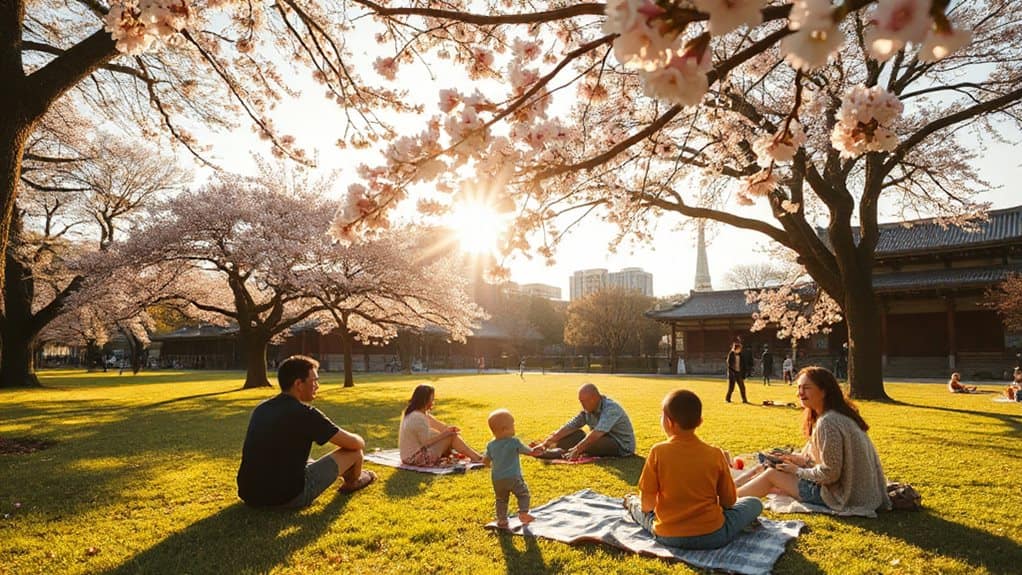
Tokyo keeps your wallet happy beyond just meals, with plenty of free and low-cost activities that still deliver rich experiences.
Discover Yoyogi Park’s 134 acres or wander Meiji Shrine’s forested paths for free.
Snap skyline views from the Tokyo Metropolitan Government Building.
Browse Jimbocho’s 180 bookstores, catch sumo practice at Arashio Stable, or enjoy cultural exhibits at the Bank of Japan Museum—all without spending much.
You can also relax in geothermal pools like the Polynesian Spa to soothe tired feet after a day of sightseeing.
Is the JR Pass Worth It for Tokyo?
These days, the JR Pass often isn’t worth it if you’re spending most of your time in Tokyo. It doesn’t cover subways, limiting city travel.
While it includes the Narita Express and some day trips, individual tickets or city passes like the Tokyo Subway Ticket often save more. For long-distance trips, use NAVITIME to compare costs—savings aren’t guaranteed.
What Sneaky Fees Could Hit Your Tokyo Budget?
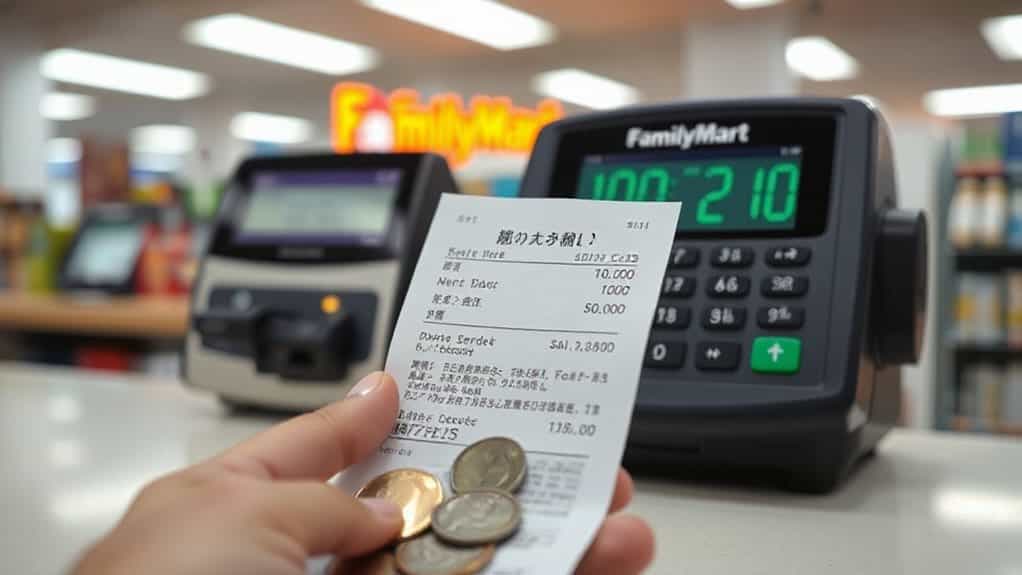
While the JR Pass mightn’t stretch far within Tokyo itself, other costs can quietly add up once you’re on the ground.
You’ll pay a ¥1,000 departure tax, soon rising to ¥3,300. Expect accommodation taxes in Tokyo and Kyoto, visa fees up to ¥6,000, and tourist surcharges at popular sites. Tax-free shopping now requires upfront payment and airport refund claims—plan carefully.
How to Save on Tokyo Travel
You can keep your Tokyo trip affordable by planning smart and making savvy choices across lodging, food, transport, and sightseeing.
Stay in budget guesthouses or business hotels under ¥8,000 nightly.
Eat convenience store meals for under ¥600.
Use IC cards and subway passes to cut transit costs.
Prioritize free attractions and book flights early.
With a daily budget of ¥11,000, you’ll enjoy flexibility without overspending.
And Finally
Tokyo can fit your budget, whether you’re spending $50 or $500 a day. You’ll find affordable meals, cheap transit, and free attractions, but luxury options exist too. The JR Pass only pays off if you’re traveling outside the city. Watch for extra fees like seat reservations or convenience store markups. Plan meals, use subway lines wisely, and book early to save. With smart choices, Tokyo stays affordable.