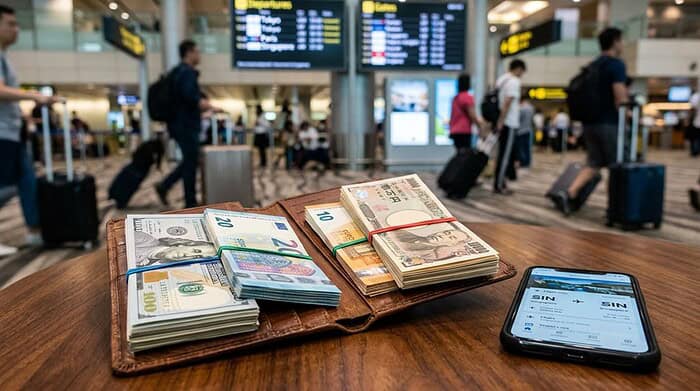
Tipping customs vary worldwide; in North America and the Caribbean, 15-20% at restaurants is standard, while in Europe, 5-10% suffices, with service often included. Asia and Oceania have mixed practices—some countries include service charges, others prefer small tips or none at all. In Africa and the Middle East, 10-15% is typical, but customs can differ widely, with small change or gifts valued. Understanding these differences helps guarantee respectful tipping—discover more about country-specific norms to steer each situation confidently.
TLDR
- Tipping norms vary widely; generally 15-20% in North America, 5-10% in Europe, and culturally sensitive elsewhere.
- Check if service charges are included; in many countries, tips are optional or small rounding adjustments.
- In Asia and the Middle East, tipping may be minimal or culturally inappropriate; small gratuities or gifts are preferred.
- Always consider local customs, service quality, and bill amount when deciding the appropriate tip.
- For casual services, rounding up the bill or giving small change is often appreciated and polite.
Understanding Global Tipping Customs: A Practical Overview

Understanding global tipping customs can be essential for traveling or working internationally, as practices vary considerably from one country to another. Tipping customs are influenced by cultural norms and whether a service charge is included.
In some regions, gratuity is expected, while in others, tipping etiquette suggests including tips in the bill or rounding up in tourist areas.
Tipping in North America and the Caribbean: What You Need to Know
Tipping in North America and the Caribbean follows established customs that travelers should be aware of to show appreciation for good service.
In North America, a 15-20% gratuity is expected at restaurants, taxis, and for hotel staff.
In the Caribbean, 10-15% tips are customary, with additional gratuities appreciated for exceptional service.
Always consider the bill and the quality of service when tipping.
Seat belt extenders may be offered for free on U.S. flights if needed, and requesting one can be part of ensuring comfort and safety during travel.
Tipping in Europe: How Much to Leave and When

In most European countries, tipping typically ranges from 5 to 10 percent, especially when service charges aren’t included in the bill.
Many nations, like France, Germany, and the UK, include service fees, making additional tips optional but appreciated for good service.
In countries such as the Netherlands, Austria, and Sweden, rounding up the bill or leaving small change is common practice.
In places where service charges are already included, an extra gratuity may be unnecessary.
Typical Tipping Percentages
In most European countries, tipping 5 to 10 percent in restaurants is considered appropriate when the service meets your expectations.
Many include a service charge, so a small tip or rounding up the total is customary to leave if you received good service.
Large tips aren’t necessary, but a tip within this percentage reflects appreciation for attentive service.
Included Service Charges
Many European countries include a service charge directly on the bill, typically ranging from 10 to 15 percent, making tipping optional.
In countries like France, Spain, Austria, and Italy, a cover charge or service fee is common, so additional gratuity is modest.
In the UK, Ireland, Netherlands, and Germany, tipping is more flexible, with rounding up often appreciated but not required.
When to Round Up
Rounding up the bill is a common and practical way to tip in many European countries, especially in casual settings like cafes and small restaurants.
The practice involves adding extra euros to the bill, often depending on service quality. It’s customary to round up to the nearest euro or a few euros, making the tip straightforward and polite.
This method reflects good etiquette in these countries.
Tipping in Asia and Oceania: Do You Need to Tip?

Tipping customs across Asia and Oceania vary considerably depending on the country and setting, so it’s important to understand regional norms.
In many places, such as Japan and Nepal, excellent service is routine, and tips may be declined politely.
While in Australia and New Zealand, tipping is appreciated but not expected.
In the U.S. Virgin Islands (including St. Thomas), the U.S. dollar is the official currency, making payments straightforward when deciding whether to leave a gratuity.
Always research or ask locals about specific practices to determine when and if offering a tip is appropriate.
Tipping Expectations Vary Widely
In many countries across Asia and Oceania, tipping expectations vary widely, and understanding these differences is essential to avoid unintentional rudeness or confusion.
Tipping customs range from no gratuity needed, as in Japan where service charges are included in the bill, to small tips in Nepal or New Zealand.
Knowing whether to leave a tip or follow local cultural norms is key.
Regional Norms and Exceptions
Understanding regional norms around tipping in Asia and Oceania can help travelers avoid misunderstandings or unintended rudeness.
In East Asia, tipping culture is minimal, with customs often discouraging tips; service charges are sometimes included. Exceptions exist in tourist areas or for tour guides.
In Oceania, small tips or rounding up are appreciated, aligning with local tipping etiquette.
When to Offer Tips
Knowing when to offer tips in Asia and Oceania depends on the circumstances and local customs. Tipping norms vary: in some countries, like Japan and South Korea, tipping is never expected.
In others, like Thailand or Australia, leaving a small tip or rounding up the bill is appreciated. Consider tipping when service charges aren’t included, but always respect local etiquette.
Tipping in Africa and the Middle East: Cultural Expectations

Tipping customs across Africa and the Middle East can vary considerably depending on the country and local traditions.
In many places, modest gratuities of 10-15% are customary, with some including a service charge.
Small change or baksheesh is culturally valued, and in certain regions, gifts may replace cash tips, reflecting local customs and expectations.
Country-Specific Tipping Tips: Key Guidelines for Travelers
When traveling to different countries, it’s important to follow local tipping customs to show respect and avoid misunderstandings. Tipping etiquette varies: in the US and Canada, 15-20% is customary, while in Europe, rounding up or small tips are typical. In Japan and South Korea, tipping isn’t expected, but in Middle Eastern countries, 15-20% is common, with service charges often included. If you’re also planning long flights, airline policy considerations can affect whether certain travel items are allowed.
What to Do When You’re Unsure About Tipping: Tips and Tricks
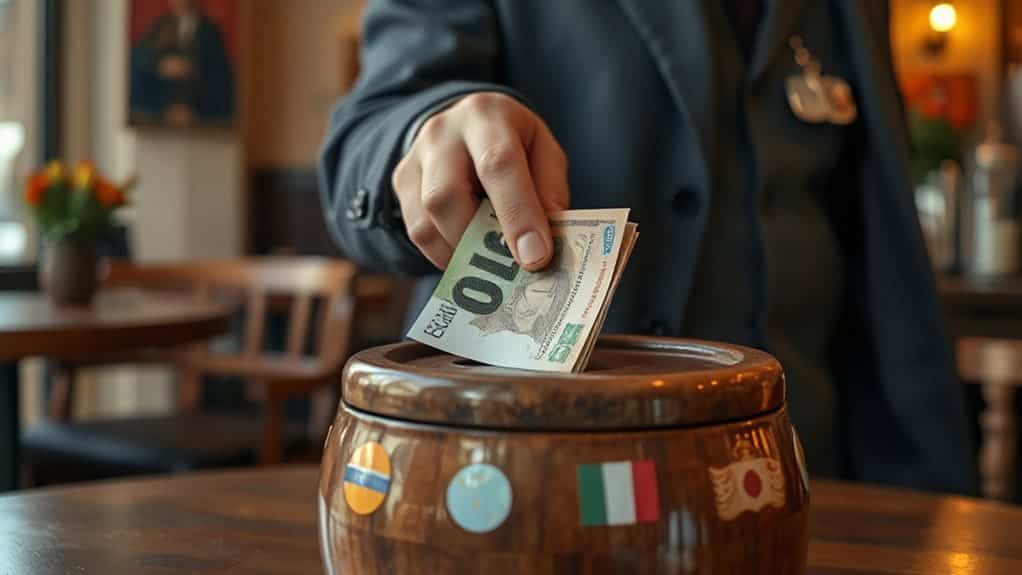
If you’re unsure about how much to tip in a new country, there are practical steps you can take to make certain you’re showing appropriate appreciation without overstepping local customs. Tips include leaving a small, considered tip or rounding up, and asking a local or staff discreetly. Check if a service charge is included, and feel free to use small change to keep it discreet. Also, in busy places like London transit hubs, keep an eye on your belongings while you handle cash or your phone so you don’t become an pickpocketing risk.
How to Tip in Hotels, Tours, and Taxis: Practical Advice
Knowing how to tip in hotels, tours, and taxis can help you show appreciation for good service while respecting local customs. Typically, you tip hotel staff $1-2 per bag for porters and $2-5 per night for housekeeping. For tour guides, €1-2 per person or €10-20 for private guides is expected. Round up taxi fares and add additional tips for exceptional service, showing gratitude. A thoughtful approach to tipping etiquette helps keep your travel interactions smooth and respectful.
Smart Tipping Strategies: Showing Appreciation Respectfully

Effective tipping involves more than just leaving the right amount; it’s about demonstrating genuine appreciation while respecting local customs.
To do this, consider the standard percentage or rounding rules. Use cash tips when possible, and pair them with verbal appreciation or small gifts.
Showing extra thoughtfulness and practicing cultural sensitivity guarantees your tip aligns with appropriate tipping practices worldwide.
And Finally
Understanding tipping customs worldwide guarantees you show appreciation appropriately and avoid awkward situations. Remember that expectations vary by country, service setting, and cultural norms. When in doubt, research specific guidelines for each destination, observe local practices, and consider the quality of service. Using these strategies helps you tip respectfully, promoting positive interactions. Accurate knowledge about tipping customs makes your travel experience smoother, more respectful, and culturally aware.