You rely too much on the Métro instead of walking, missing hidden courtyards and local charm just steps from stations. You overpack your itinerary, underestimate travel time, and rush through days without breaks. You skip advance bookings and fall for scams in crowded spots like the Eiffel Tower. You wear uncomfortable shoes and loud outfits that draw unwanted attention. You overlook etiquette like saying “bonjour” or respecting quiet spaces. You chase viral landmarks instead of exploring like a local—there’s more to uncover beyond the obvious.
TLDR
- Relying too much on the Métro causes travelers to miss charming streets, hidden courtyards, and local life best seen on foot.
- Overloading itineraries leads to rushed days; allow buffer time for transit, delays, and spontaneous discoveries.
- Falling for tourist scams in crowded areas; stay alert, secure belongings, and decline unsolicited help firmly.
- Wearing improper footwear like flip-flops or stilettos makes walking painful—opt for comfortable, stylish shoes.
- Ignoring local etiquette—dress modestly, say “bonjour,” and avoid loud behavior to blend in and show respect.
Relying Too Heavily on the Métro Instead of Walking
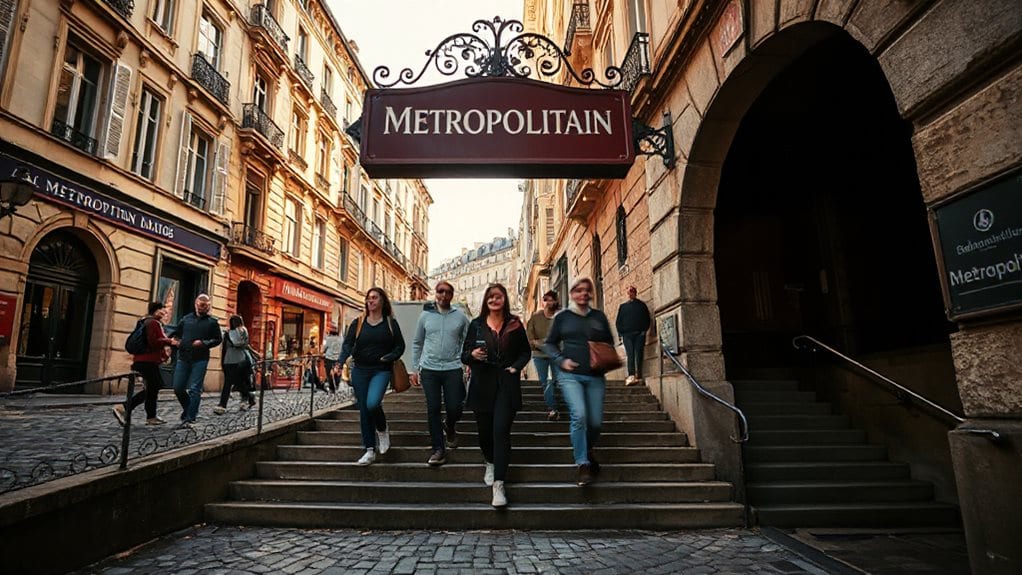
When exploring Paris for the first time, it’s easy to default to the Métro as your go-to way of getting around, but doing so means missing out on the city’s true character.
Walking reveals hidden courtyards, local shops, and design details the underground obscures.
With 38.7% of trips in Île-de-France on foot and dense, pedestrian-friendly streets, you’ll find your way efficiently while experiencing Paris more authentically and freely.
The Métro spans 206 km of dedicated lines, making it extensive yet often unnecessary for short urban trips.
Many visitors also underestimate the pleasure of scenic promenades along the waterfront and parks, like Wellington’s Waterfront, which combine views with convenient access to city life.
Overloading the Itinerary Without Considering Travel Time
You pack your day tight with must-see sights, but forget that moving between them eats up time.
Paris distances aren’t huge, but back-to-back bookings ignore walking, Metro waits, and surprise delays.
That full schedule? It often means rushing, missing details, or skipping stops altogether.
Consider leaving buffer time for transfers and delays, especially if you’re carrying luggage with larger wheels that handle uneven sidewalks better.
Packed Schedules, Missed Moments
Though it’s tempting to cram every iconic landmark into a tight schedule, overlooking travel time between attractions often leads to rushed days and unexpected fatigue.
You’ll walk more than expected—Paris’s charm lies in its sidewalks, parks, and hidden corners.
Tight plans skip bistros, linger times, and spontaneity. A four-day pace feels better than three. Five to seven days lets you discover freely, without missing moments that make Paris real.
Ignoring Transit Time Costs
Because Paris is larger than many realize, underestimating travel time between attractions can quickly derail even the most carefully planned itinerary.
Walking from Arc de Triomphe to Bastille takes 1.5 hours, while Métro rides cost €2.10 per trip.
Using a Navigo Easy Card or Paris Visite Pass saves money and time.
Plan transfers, account for traffic to airports, and factor in station crowding—especially during peak seasons—to move freely and efficiently across the city.
Falling for Common Tourist Scams in Crowded Areas
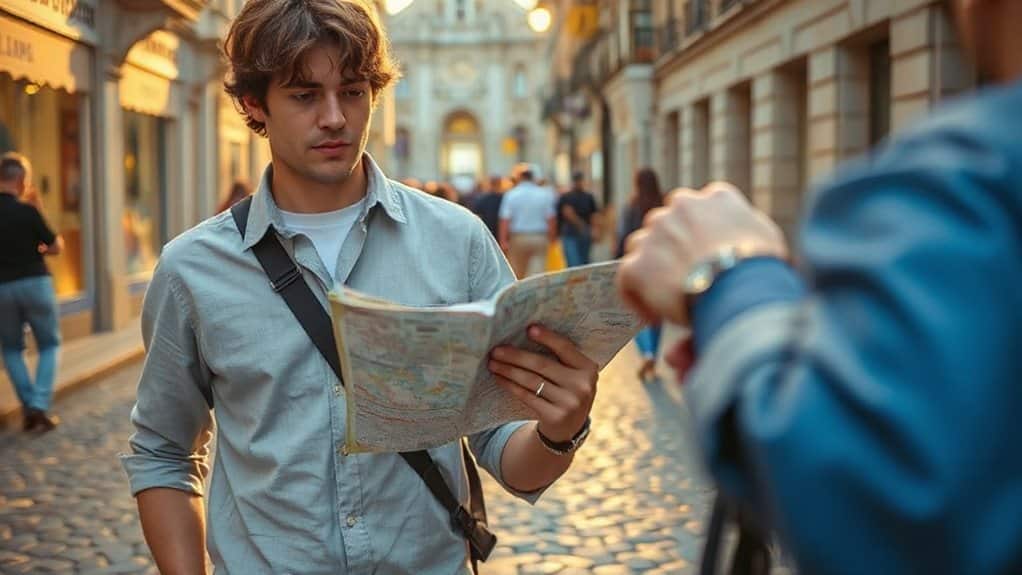
You’re often targeted in crowded spots like the Eiffel Tower or metro stations, where scammers use distraction tactics such as fake string tricks or staged accidents to grab your bag or phone.
Keep your belongings secure and within sight, especially in high-density areas where pickpockets work in teams.
Stay alert when approached unexpectedly, as friendliness from strangers can mask attempts to steal or overcharge.
Also be aware that rules about items like smokeless tobacco vary by airline and country, so check restrictions before you travel.
Distract and Grab Schemes
Watch your step and keep your belongings close—Paris’s busiest attractions are hotspots for distraction and grab schemes that target unsuspecting visitors.
Scammers use tricks like tying free bracelets, then demanding money, or dropping cups to startle you while an accomplice steals your phone.
Friendly strangers may hug you or offer help, creating cover for pickpockets. Decline offers firmly with “non merci” and walk away.
Stay alert, especially in crowded zones.
Bag Safety in Crowds
Keep your bag where you can see it and keep thieves from taking advantage of careless habits in Paris’s busiest spots.
Wear backpacks in front, not on your back. Carry purses close to your body, never at your side or behind. Don’t set bags on the ground. Use zipped, secure bags with interior pockets. Avoid loose straps, open compartments, or flashy designs that attract attention. Stay aware, stay free.
Packing the Wrong Gear for Parisian Streets and Attractions
Often, travelers overlook how Paris’s variable climate and urban scenery shape the ideal packing list.
You’ll face mild summers and damp winters, so pack layers for temperatures ranging from 35–78°F.
Choose breathable fabrics—humidity stays high.
Don’t forget a rain jacket; showers strike year-round.
Most importantly, bring comfortable walking shoes: you’ll negotiate cobblestones and cover miles daily.
Also consider bringing a lightweight, packable travel blanket with a compact carry option for chilly trains and long layovers.
Dressing for Fashion Over Function and Security
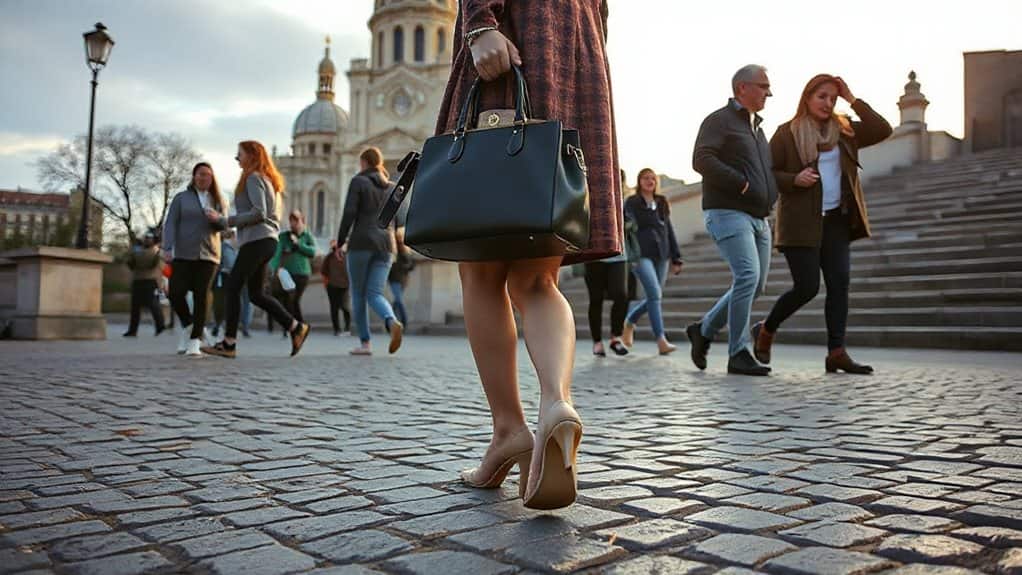
You might notice Parisians gliding through the city in effortlessly stylish outfits, but dressing purely for fashion can backfire when comfort and safety take a backseat. Avoid athleisure, flashy logos, and oversized clothes—they scream tourist.
Skip flip-flops, white socks, and stilettos; opt for leather sneakers or ballet flats. Ditch bulky backpacks and visible cameras to reduce theft risk.
Choose sleek, layered outfits with a trench coat and costume jewelry for style, function, and security. Small, compressible travel items like neck pillows can help you stay comfortable without drawing attention.
Breaking Basic Social Etiquette With Locals
Looking sharp won’t help much if your behavior clashes with local norms—Parisians value politeness and discretion, and small missteps in social etiquette can quickly mark you as an outsider.
Always say “bonjour” when entering shops or starting conversations. Avoid loud talk in public and never chat up strangers. Be courteous on public transport and respectful during service interactions—simple courtesies go a long way.
Also avoid sensitive political discussions and be cautious about photographing military subjects, as these can cause serious problems in some countries.
Chasing Viral Spots Without Understanding Local Culture
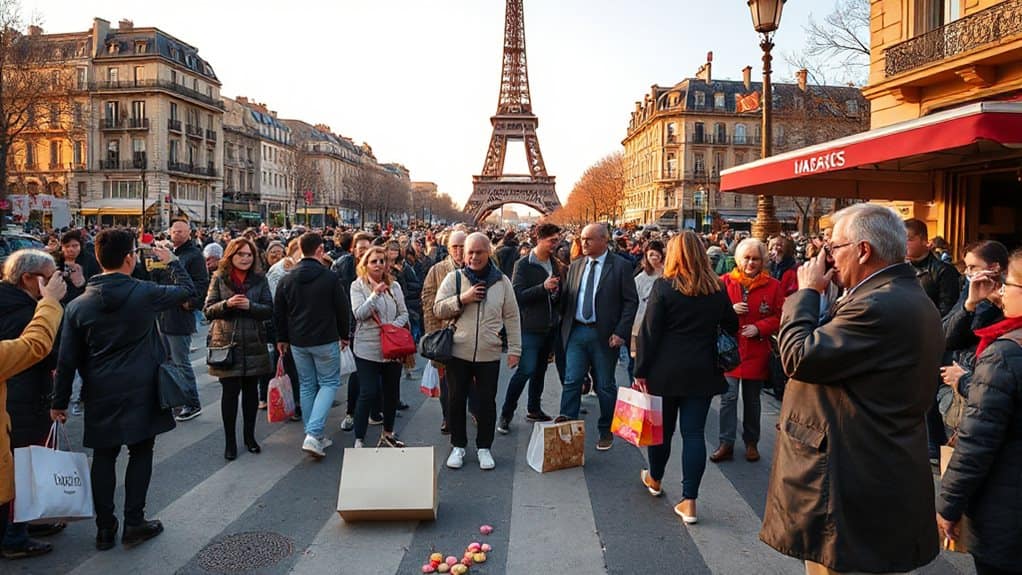
While viral landmarks like the Eiffel Tower and Sacré-Cœur draw millions each year, focusing only on these spots means you’re missing the soul of Paris. You’re skipping hidden gems—Rue Crémieux, catacombs, secret Eiffel Tower apartments—that reveal deeper history.
Chasing crowds overlooks local culture and strains neighborhoods. Venture beyond icons. Unearth linguistic quirks, Masonic sites, and quiet streets. You’ll experience authentic Paris while respecting its people and heritage.
Skipping Advance Bookings and Guided Experiences
Snagging tickets ahead of time isn’t just convenient—it’s essential for visiting Paris’s top attractions. You’ll skip hours-long lines at the Eiffel Tower and Louvre, where daily caps limit access.
Even with skip-the-line tickets, timed entry is vital. Popular guided tours sell out weeks ahead, especially during peak summer and the 2024 Olympics. Book early to secure your spot and move freely through the city’s must-see sites.
And Finally
You can avoid common pitfalls by planning wisely and staying aware. Walking more helps you experience Paris like a local, while realistic itineraries reduce stress. You’ll save time by booking attractions early and watching for scams in busy spots. Dress comfortably and respectfully, and pack for cobblestones, not catwalks. Small courtesies go far—simple politeness improves interactions. Finally, balance iconic sights with cultural awareness so your visit feels authentic, smooth, and respectful to those who live there.


