When you check in, the hotel places a temporary hold on your credit or debit card to cover potential extras like minibar use, room service, or damages. This incidental hold typically ranges from $25 to $200 per night, depending on the property. It’s not a charge, just a reserve, and it’s released after checkout if no fees apply. Holds usually clear within 3–10 days, though longer for debit cards. You’ll want to know how long your hold might last and what could affect it.
TLDR
- A hotel incidental hold is a temporary reserve on your card for potential extra charges during your stay.
- Holds typically range from $25 to $200 per night, varying by hotel type, location, and policies.
- The hold covers incidentals like minibar use, room service, Wi-Fi, or damages, not the room rate itself.
- No money is charged unless extras are used; the hold is released after checkout.
- Credit card holds usually clear in 3–7 days, while debit card refunds may take up to two weeks.
What Is a Hotel Incidental Hold?
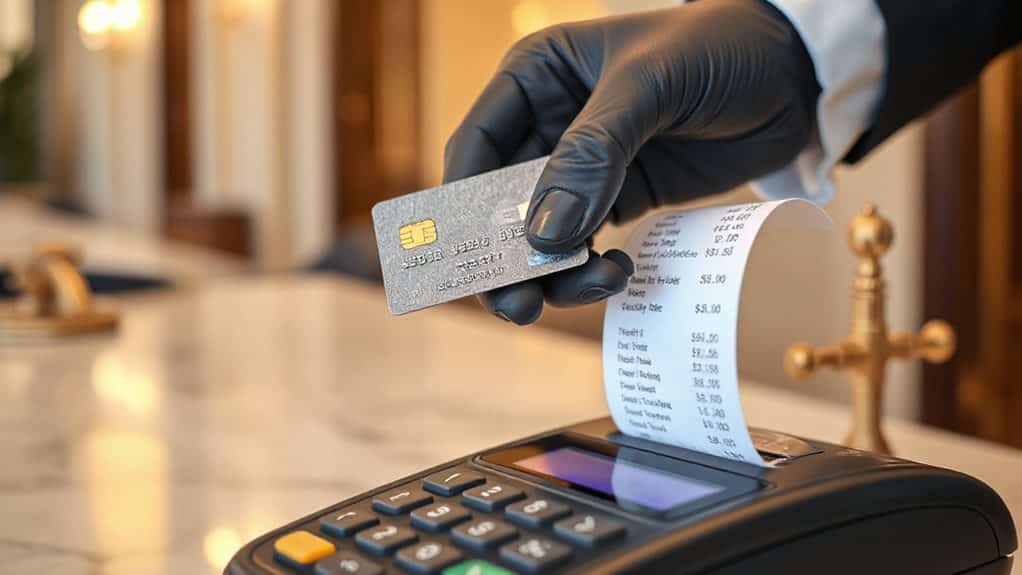
When you check in to a hotel, the front desk will usually place a temporary hold on your credit or debit card—this is known as a hotel incidental hold.
It reserves funds for extras like parking, minibar, or damages, but doesn’t charge you yet.
Think of it like a security deposit.
The hold lifts after checkout, freeing up your available balance.
This hold typically ranges from $25 to $300 per night, depending on the property, and is used to cover potential variable revenue streams.
Hotels may also delay posting final charges for several days after checkout while incidentals are reconciled.
Why Do Hotels Require an Incidental Hold?
Hotels place incidental holds on your card for several practical reasons, building on the basic idea that these temporary holds act like security deposits.
They cover potential damages, lost keycards, or minibar charges, giving you freedom to enjoy amenities without upfront payments.
Holds also satisfy network rules, protect against unpaid fees, and manage risks—especially with groups—ensuring smooth checkouts and service access while safeguarding hotel operations.
Many hotels with 24-hour front desks and overnight shifts are prepared to handle late arrivals and incidental hold issues for guests who arrive after standard office hours (24-hour staffing).
How Much Is a Typical Incidental Hold?
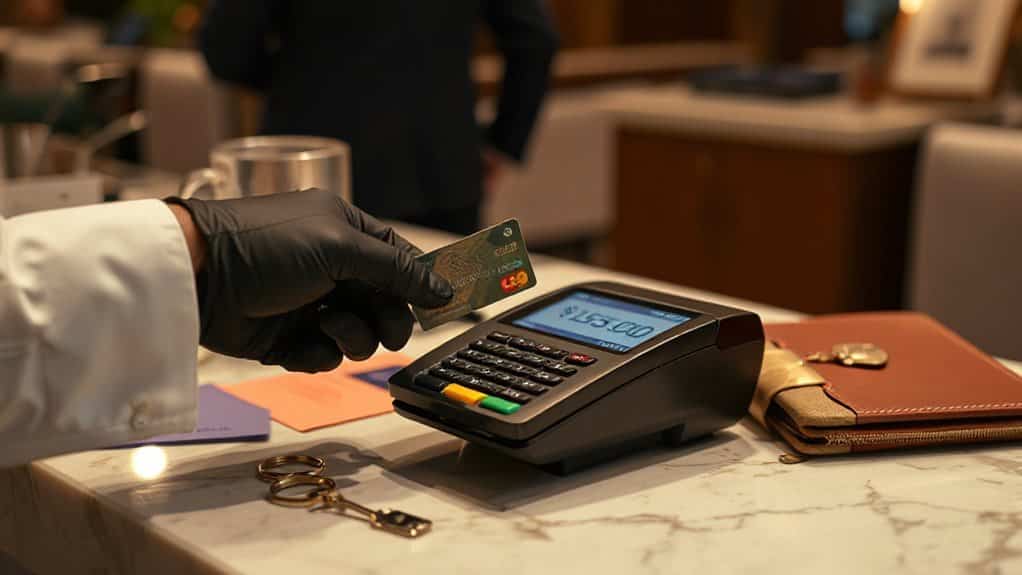
A typical incidental hold usually ranges from $25 to $200 per night, depending on the hotel’s policies and your stay details.
Upscale or resort properties may hold more, especially during peak seasons or for longer stays.
Multiple rooms increase the total hold.
Luxury hotels often cap at $200 nightly, while location, rating, and chain rules also shape the amount.
Front desks will usually replace lost key cards at no charge, though repeated replacements may incur a modest fee and it’s wise to report a lost card promptly to prevent further access security risk.
What Gets Charged to Your Incidental Hold?
You’ll find that incidental holds cover a range of extra charges beyond your room rate, all of which can be deducted from the hold if not paid separately.
You might use in-room Wi-Fi, order room service, or watch a movie. Spa visits, minibar snacks, and laundry also count. If you cause damage or break policies, those fees apply too.
Early departures may affect billing and could incur an early departure fee depending on hotel policy.
How to Get Your Incidental Hold Refunded
Once you check out, the hotel will release or refund your incidental hold as long as there are no damages or extra charges. Credit card holds typically clear in 3–7 days, though banks may take up to 10.
Debit card refunds can take up to two weeks. No action is needed if everything’s in order—just let the process run. Hotels sometimes apply an early departure fee if you shorten your stay after check-in, which could affect the amount refunded.
And Finally
You now know how hotel incidental holds work. They’re temporary authorizations to cover potential extra charges, like room service or damages. The hold amount varies but usually includes a buffer beyond your room cost. It’s not a charge, so you’ll get it back after checkout. Release times depend on your bank, sometimes taking days. To speed things up, ask for a receipt and confirm the final amount. Always check your statement later.