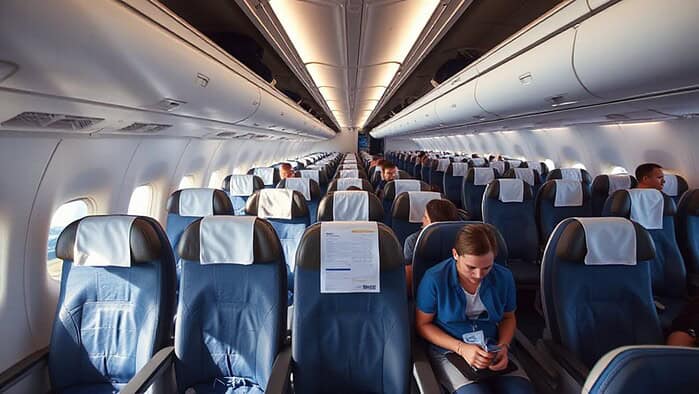
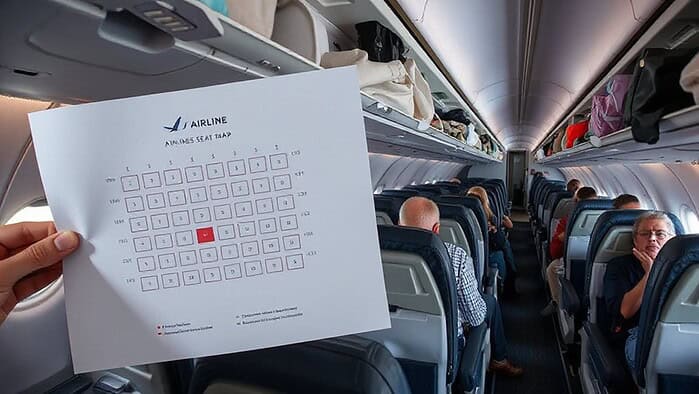
You might think extra legroom in exit rows means more comfort, but fixed armrests, non-reclining seats, and structural cabin features like wing-box reinforcements limit movement. Shared armrests reduce seat width, while overhead bin rules and lack of under-seat storage add to the tight feel. Even with 34+ inches of pitch, shoulder space stays the same, so broader passengers often feel squeezed despite the legroom. Regulations prioritize evacuation over comfort, and airline configurations vary—knowing these details helps explain why the extra space doesn’t always feel like enough.
TLDR
- Fixed armrests in exit rows don’t move, reducing personal space and preventing seat-sharing flexibility.
- Non-reclining seats and no under-seat storage limit comfort despite extra legroom.
- Wing-box structures over the wing reduce headroom and cabin width in exit rows.
- Safety rules keep exit pathways clear, restricting seat positioning and personal space.
- Shared armrests and narrow seat widths persist, making shoulder space feel cramped even with more legroom.
The Legroom Illusion in Exit Rows

While you might expect more space in an exit row, the reality can feel surprisingly tight due to several design and safety factors.
You can’t recline your seat or stow bags under, forcing overhead storage. Fixed armrests and emergency duties add to the squeeze. Even with 36-inch pitch, these limits create a psychological and physical sense of confinement despite extra legroom. Airlines may also restrict seating options or require additional measures for passenger safety, which can reduce usable space and comfort seatbelt extenders sometimes help.
Standard Seat Width Across Aircraft Models
Though legroom often grabs your attention, seat width plays an equally important role in your comfort, and it varies noticeably across aircraft models and airlines.
You’ll find most narrow-body planes like the Boeing 737 offer 17-inch seats, while Airbus A320s typically provide 18 inches.
Wide-bodies like the A350 can go up to 23 inches, but reconfigured 777s may drop below 17.
On many carriers, carry-on size rules like Delta’s 22 x 14 x 9 inch limit can affect your in-cabin experience, especially on regional flights where enforcement is stricter.
How Non-Movable Armrests Reduce Personal Space

You can’t lift the armrests in exit rows, so they stay down and fixed during the whole flight, limiting how much you can shift in your seat.
Because they’re locked in place and often wider, they eat into your elbow space and make the seat feel narrower than it already is.
This immovable design also means you can’t share or adjust them, turning a small personal zone into an even tighter fit.
Exit row seats also often have extra legroom which can feel like a trade-off when armrests restrict lateral space.
Fixed Armrests Limit Movement
Imagine yourself settling into an exit row seat, only to find your arms and body constrained by fixed armrests that don’t budge. They restrict arm movement, limiting how you hold your phone or stretch.
These unyielding supports reduce personal space, hinder posture adjustments, and challenge natural body positioning, especially during long flights. Fixed armrests also slow your exit, as narrower seats and restricted motion decrease mobility, making movement feel tighter and less free.
Shared Space Feels Smaller
With fixed armrests firmly in place, your personal space on a flight doesn’t expand even when adjacent seats are empty. You can’t shift into the next seat, especially in middle positions with no spillover options.
Shared armrests reduce effective width by 1 inch in tight rows, and higher passenger loads mean fewer open seats to use. Narrower widths, now averaging 17–18.3 inches, limit movement and comfort.
Exit Row Placement and Wing Proximity
You’ll often find exit rows placed over the wing, where the aircraft’s structure limits window visibility and legroom.
These seats sit in a reinforced section of the plane, meaning bulkheads and storage compartments reduce personal space.
While they offer quicker evacuation access, their location near the wings can mean higher impact exposure during certain crashes.
Because exit rows often require you to stow bulky items like carry-on luggage in overhead bins or designated spaces, passengers may feel their personal space is more restricted.
Over-Wing Seating Layout
Although exit rows are often prized for extra legroom, their placement over the wings introduces unique spatial and safety considerations.
You’ll find non-reclining seats ahead to keep exits clear, and your seat may lack an under-seat storage compartment.
Fixed armrests, narrower frames, and wing fairings protruding into the cabin reduce personal space.
Even with 34–40 inches of pitch, the layout can feel tighter than expected.
Limited Window Visibility
Why might your view from an exit row window be more restricted than expected? Because exit rows near wings have smaller windows, limiting visibility. You need clear sight to assess dangers like fire or obstacles before opening exits.
Federal rules keep shades open during critical phases so you can see outside. This guarantees quicker, safer evacuations when every second counts.
Structural Space Constraints
Because overwing exit rows are positioned directly above the aircraft’s wings, the structural design of the plane substantially limits available space for passenger comfort.
Wing box reinforcements reduce underfloor room, restricting seat pitch. Exit mechanisms require unobstructed access, eliminating under-seat storage. FAA mandates clear paths and specific dimensions, further tightening legroom. You get less space because safety needs come first.
Variations in Seat Pitch Between Aircraft Types
When you’re booking a flight, you mightn’t realize how much seat pitch can vary from one aircraft type to another—even within the same airline. Delta’s 717s and 737-800s offer 31 inches, while Boeing 737-8s stick to 30.
Ryanair and Qantas use 30 inches on 737s, but Spirit’s A220 gives 31–31.5. These differences directly impact your legroom, especially in exit rows where space feels tighter despite similar pitch. Seat width and armrest placement also affect comfort, so check specific seat measurements before you book.
Regulatory Constraints on Exit Row Design

You might notice that even with similar seat pitch, exit row seating often feels more confined than regular economy seats—and that’s no accident.
Regulations require unobstructed space near exits, limiting legroom design. You must reach and operate the exit quickly, so seats can’t extend into required zones. Passageways must be clear, and only capable passengers can sit here—your freedom to move matters most in an emergency. Airlines also set minimum crew levels based on passenger capacity, which influences how exit areas and adjacent seating are arranged.
The Impact of Passenger Build on Perceived Comfort
Comfort in airline seating isn’t just about legroom—it’s shaped by how your body fits within the fixed dimensions of the seat.
Your shoulder and hip breadth, height, and build directly affect how much space you feel you have. Even in exit rows, wider seats may not help if your frame exceeds standard accommodations, especially if you’re tall or broad-shouldered.
Comparing Exit Rows Across Low-Cost and Major Airlines

While exit rows are often marketed for added comfort, their seat width rarely differs from standard economy seating across both low-cost and major airlines. You’ll find Spirit and Ryanair exit seats match their usual 16–17-inch width, just like Lufthansa’s 18-inch or British Airways’ 17-inch standard.
Legroom increases, but width stays consistent—sometimes feeling tighter due to fixed armrests or tray table designs.
Why Extra Legroom Doesn’t Compensate for Narrow Shoulder Space
Even with extra legroom, exit row seats don’t offer more shoulder space—and in some cases, they feel tighter than standard seats due to design compromises.
You’ll still face fixed 50-inch shoulder belts, misaligned armrests, and FAA rules that prioritize evacuation over comfort.
Extra legroom doesn’t widen seats, so broader shoulders may not fit securely, limiting freedom despite the extra pitch.
And Finally
You might expect more space in exit rows, but it’s not always the case. While legroom is greater, seat width stays the same as standard seats—often just 17–18 inches. Fixed armrests and proximity to the wing can make the area feel tighter. Aircraft type and airline policies also affect comfort. Even with extra legroom, broader shoulders may still feel cramped. Know the layout before you choose your seat.