
For first-time visitors, neighborhoods like Centro Storico and Trastevere offer convenient access to major sights such as Piazza Navona, the Pantheon, and Trevi Fountain, each providing a unique atmosphere—lively and iconic versus authentic and lively street life. Monti offers a quieter, more relaxed vibe close to the Colosseum, ideal for authentic local experiences. Stay near key attractions like Vatican City in Prati or the Roman ruins in Monti to save travel time. Your choice depends on your preferred atmosphere, access, and budget, and exploring further reveals even more options.
TLDR
- Choose Centro Storico for iconic landmarks and lively atmosphere, ideal for first-time visitors wanting easy access to major sights.
- Consider Trastevere or Monti for authentic Roman charm, quieter streets, and a more relaxed exploration experience.
- Stay near major attractions like the Vatican or Colosseum to reduce travel time and enhance convenience.
- Prioritize neighborhoods with good public transportation, safety, and the desired ambiance—lively or residential.
- Balance your budget with neighborhood options, as proximity to popular sights often means higher hotel prices.
What Are the Top Neighborhoods for First-Time Visitors in Rome?
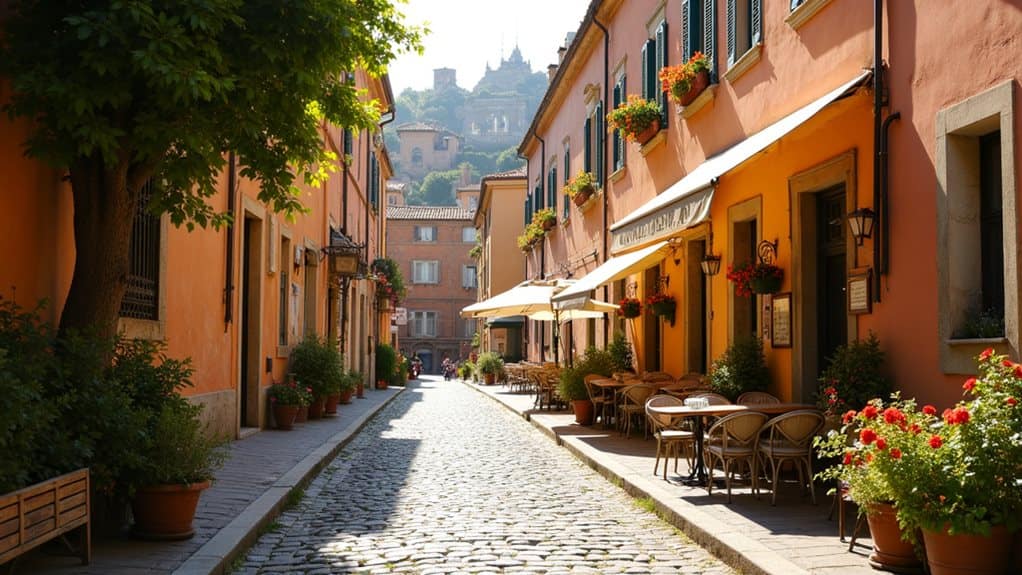
For first-time visitors to Rome, choosing the right neighborhood can markedly enhance your experience, as each area offers a distinct atmosphere and access to key attractions.
The Centro Storico, the historic center, puts you near Piazza Navona, the Pantheon, and Trevi Fountain.
Trastevere offers authentic charm, lively streets, and proximity to Villa Borghese, ideal for exploring Rome’s lively culture.
If you’re worried about getting around after dark, it can help to think about how eye adaptation supports safer low-light perception during emergencies, which is why dim lighting is designed to let eyes adjust before you need to spot key visual cues.
How Do Centro Storico and Monti Differ in Atmosphere and Attractions?
Centro Storico and Monti offer distinctly different atmospheres that can influence your experience of Rome.
Centro Storico is lively and highly walkable, filled with iconic landmarks and historic attractions. However, it tends to be crowded, so metro reliance can make you miss the city’s true character and smaller discoveries you’d notice on foot.
Monti provides a quieter, authentic neighborhood vibe with narrow streets, medieval towers, and a relaxed pace. It is close to major sites like the Colosseum.
Which Neighborhoods Offer a Good Mix of History and Local Flavor?
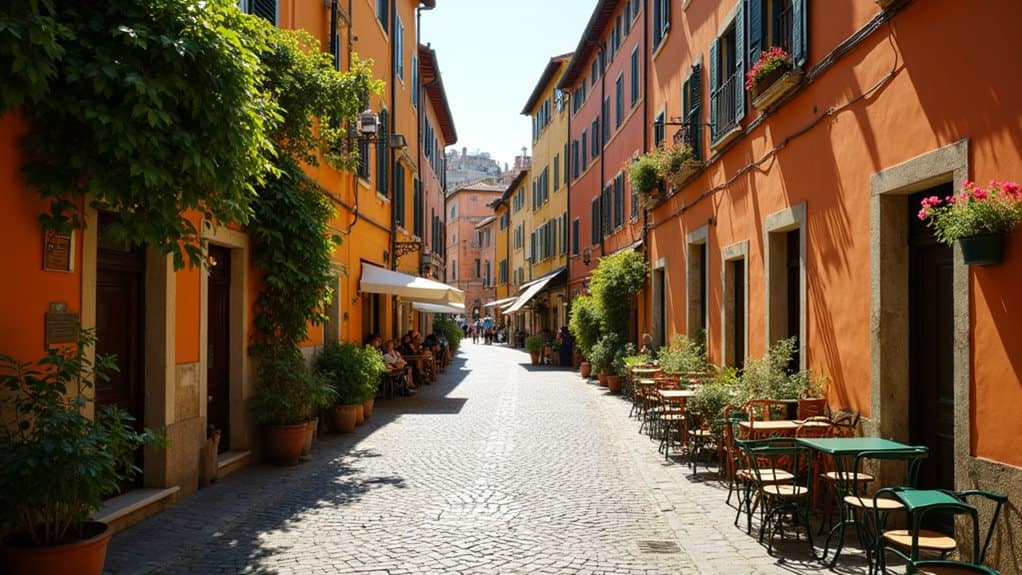
Several neighborhoods in Rome strike a balance between rich history and authentic local experiences, making them ideal choices for travelers seeking a genuine Roman atmosphere.
Areas like Trastevere and Monti offer historic neighborhoods with medieval charm, ancient ruins, cobblestone streets, lively street life, and authentic Roman eateries.
These neighborhoods provide a lively atmosphere close to major sights and a true neighborhood vibe.
If you’re also planning broader travel, remember that peak seasons can increase crowds—so choosing slightly quieter periods can help you experience places like these more comfortably.
Where Are the Best Places to Stay Near Major Sights Like the Vatican and Colosseum?
If you want to stay close to major sights like the Vatican or Colosseum, several neighborhoods offer convenient options. The Prati area provides easy access to the Vatican sites, with many hotels located within walking distance, making it ideal for quick visits. Meanwhile, staying near the Colosseum in the Monti neighborhood places you within a short walk to ancient ruins while enjoying a quieter, more local atmosphere. For a similar feel in Paris, Montmartre delivers a strong sense of place with panoramic city views from key viewpoints.
Vatican Proximity Options
Staying near the Vatican offers a prime location for visitors who want quick access to major sights.
Prati, close to Vatican City, allows easy walking to St. Peter’s Basilica, Vatican Museums, and Castel Sant’Angelo.
The Ottaviano and Lepanto metro stations provide convenient transit options, making Vatican proximity ideal for exploring both the Vatican and central Rome efficiently.
Colosseum Nearby Stays
The best places to stay near the Colosseum are typically located within walking distance of this iconic landmark and the surrounding Roman ruins, like the Roman Forum and Palatine Hill.
The Monti neighborhood offers trendy boutique hotels such as Casa Monti and The Fifteen Keys Hotel. It’s a historic center with convenient access to public transportation, near Colosseum and Roman Forum.
What Should You Consider When Picking a Neighborhood in Rome?
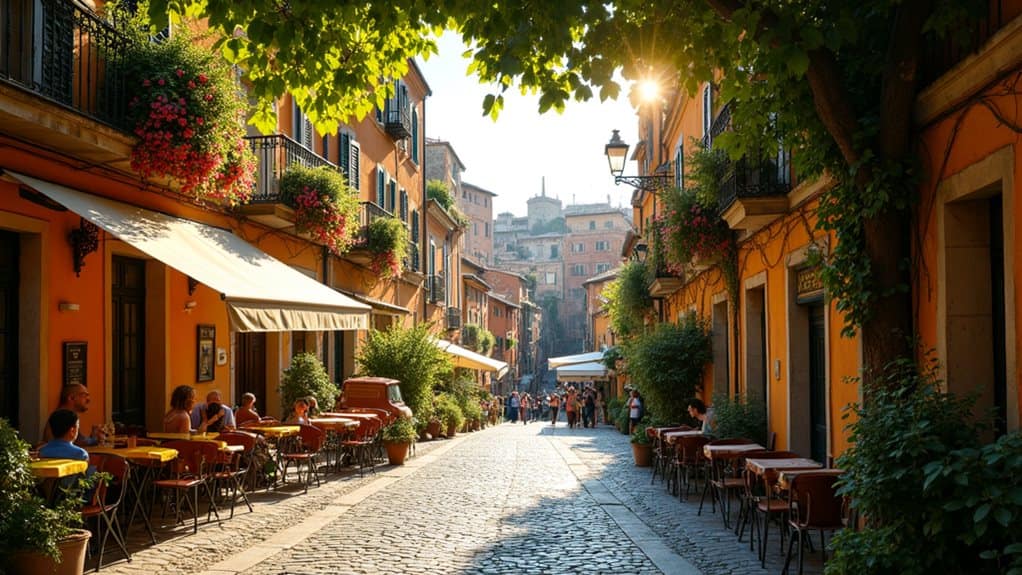
When selecting a neighborhood in Rome, consider its proximity to major sights like the Colosseum or Vatican to reduce travel time and make sightseeing easier.
Think about the atmosphere you prefer, whether it’s lively and busy or quiet and residential, to make certain the area matches your personal style.
Additionally, evaluate public transportation options and safety to confirm convenient and secure access to different parts of the city—especially since most visitors base their plans on a compact trip length like a 3-day visit.
Proximity To Major Sights
Choosing a neighborhood based on proximity to major sights can greatly impact your overall experience in Rome. Staying near Piazza Navona, Trevi Fountain, or the Pantheon offers walking access to key landmarks, reducing transit time.
Areas close to public transportation like Vatican City or the Colosseum provide efficient routes, but often come with higher hotel prices.
Neighborhood Atmosphere Preference
Considering your preferred atmosphere can greatly influence your experience in Rome, as neighborhoods vary widely in character and vibe.
If you seek a lively, energetic scene, areas like Trastevere offer lively nightlife and authentic Roman charm.
For a quiet, upscale, and relaxed environment, districts like Prati or Aventino provide a peaceful, residential setting with a more subdued ambiance.
Where Can You Find Authentic Roman Cuisine and Nightlife?
For an authentic Roman culinary experience and lively nightlife, neighborhoods like Trastevere and Testaccio stand out.
Trastevere offers traditional dishes in lively piazzas and authentic restaurants.
Testaccio is known for Roman street food and local markets like Mercato Testaccio.
Near Campo de’ Fiori and Piazza Navona, dynamic cafes and bars serve genuine Roman cuisine amid energetic atmospheres.
To keep costs down while you eat your way through the city, you can build a day around budget-friendly street food—where full meals typically run about 100–200 THB in Bangkok-style traveler math—and then top it off with affordable transport and local sights.
How Do Prices and Hotel Options Vary Across Rome’s Neighborhoods?
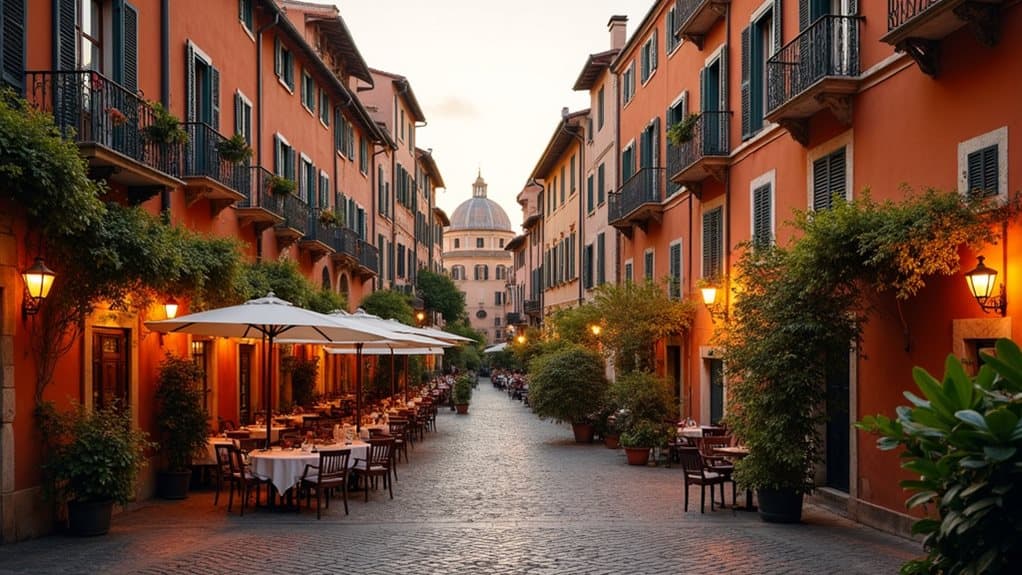
Prices and hotel options in Rome vary considerably depending on the neighborhood, influenced by proximity to tourist sites and demand.
Central neighborhoods like Piazza Navona have higher hotel prices, especially for boutique hotels and luxury stays, often exceeding $500 per night.
Districts farther from main sites, like Trastevere, offer more affordable options, with seasonal rates affecting costs across all areas.
What Are the Pros and Cons of Staying in Tourist Hubs Versus Local Areas?
Staying in tourist hubs like the Centro Storico offers easy access to major sights, but can be crowded and expensive, with accommodation costs between $200-750 USD. Local neighborhoods provide a more authentic experience, quieter streets, and budget-friendly options, though they may require longer walks or public transportation. Crowds and noise levels are higher in tourist areas, while local areas are typically more relaxed.
Are There Hidden Neighborhoods in Rome Worth Exploring Away From the Crowds?
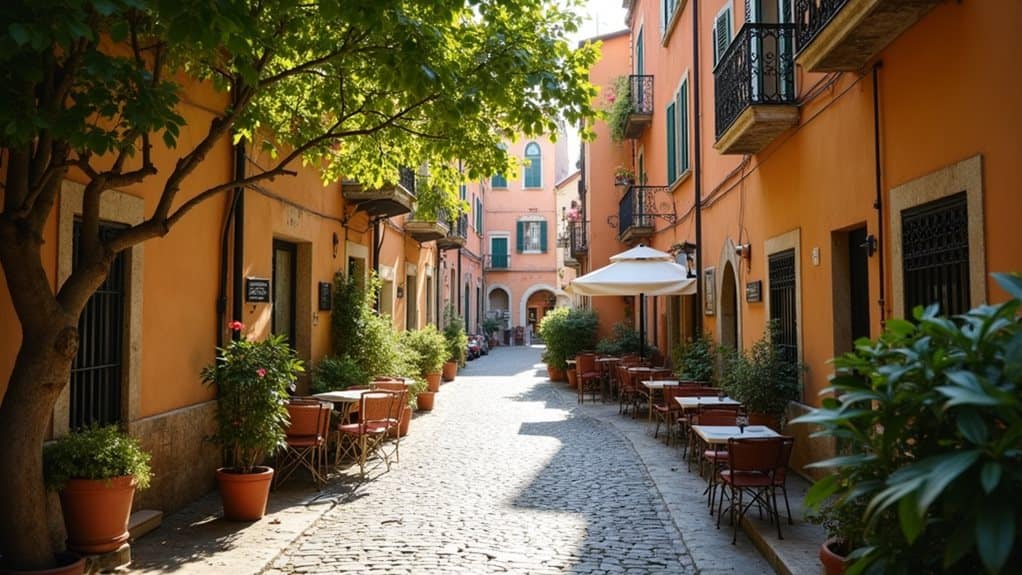
Rome’s well-known neighborhoods are often crowded with tourists, but many hidden areas offer a more tranquil and authentic Roman experience. Exploring lesser-known areas like Garbatella and Testaccio reveals quiet streets, local markets, traditional eateries, and lively street art.
These off-the-beaten-path neighborhoods provide genuine Roman life, classic design, and a break from busy tourist hotspots.
And Finally
Choosing the right neighborhood in Rome depends on your interests and budget. Popular areas like Centro Storico and Monti offer iconic sights and lively atmospheres, while neighborhoods further from major attractions provide authentic experiences and quieter streets. Consider proximity to landmarks, local amenities, and your preferred pace of life. Each area has unique advantages and drawbacks, so weigh your priorities carefully. With informed choices, you’ll find a neighborhood that enhances your Roman escapade.


